
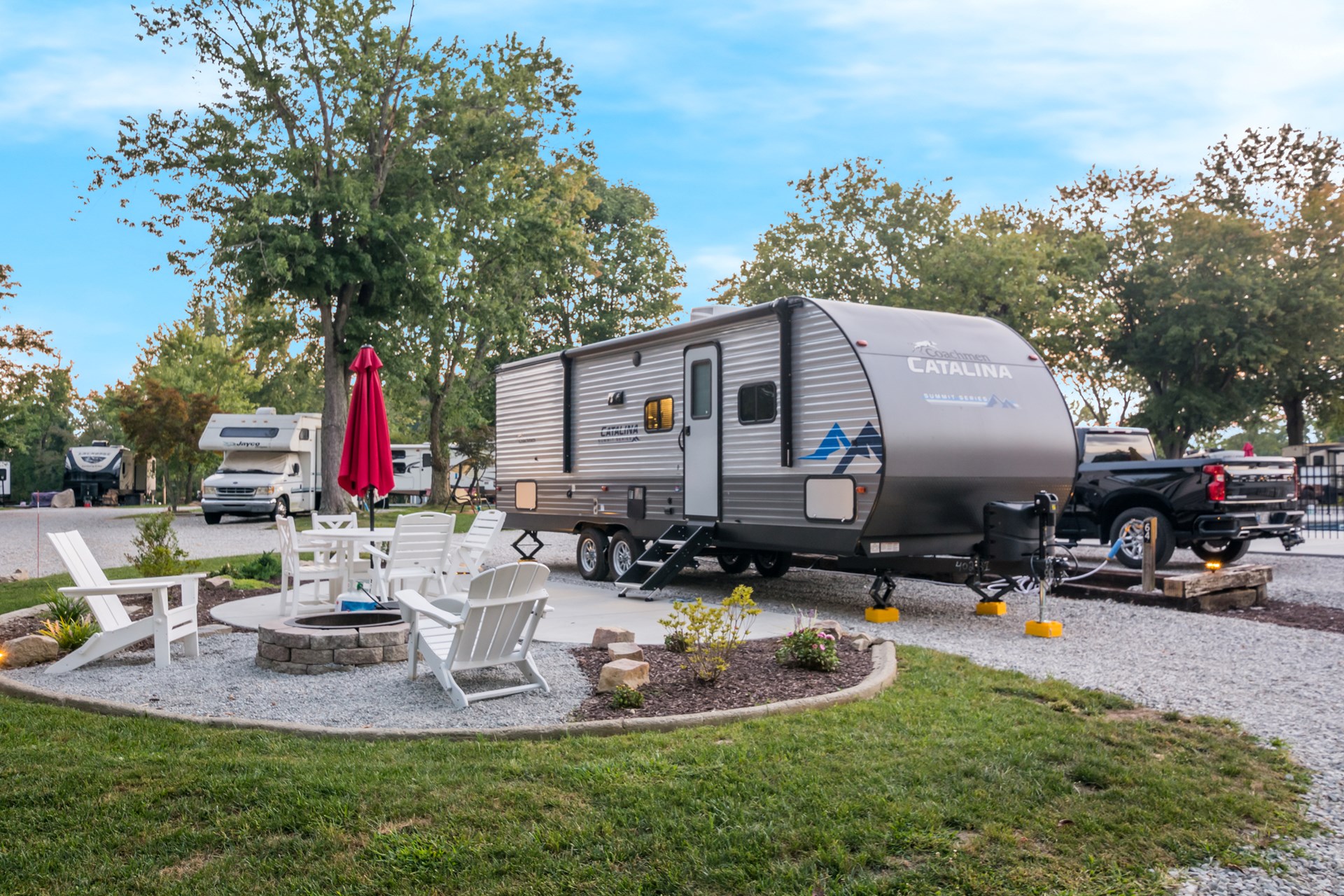
Rent an RV: A Flexible Way to Explore
Renting an RV offers a convenient way to combine transportation and accommodation in one trip. Whether planning a weekend getaway, a family vacation, or a longer road trip, an RV can make it easier to explore at a comfortable pace and stay close to the places that matter most.
Why Rent an RV?
An RV gives travelers the flexibility to change plans, visit multiple destinations, and bring many of the comforts of home along for the ride. Depending on the model, it may include sleeping areas, a kitchen, a bathroom, and storage for luggage and outdoor gear. For families and groups, traveling together in one vehicle can also make the journey part of the adventure.
Renting is a practical option for people who want to try RV travel without buying a vehicle. It also makes it possible to choose a model that suits a particular trip, from a compact camper for two to a larger motorhome with room for the whole family.
Choose the Right RV
Start by considering the number of travelers, the length of the trip, and the kind of roads and destinations on the itinerary. A smaller RV may be easier to drive and park, while a larger model may offer more living space and amenities. Check sleeping capacity, storage, kitchen equipment, bathroom facilities, and any vehicle requirements before booking.
It’s also helpful to think about driving comfort. If it’s the first RV rental, a manageable size and a straightforward route can make the experience less stressful. Ask about the vehicle’s dimensions, fuel needs, and features before making a decision.
Plan Ahead Before Booking
Compare rental terms carefully. Review the included mileage, insurance options, deposit, cancellation policy, pickup and return times, and any additional fees. Confirm what supplies are provided and what needs to be brought along. Availability can be limited during popular travel periods, so booking early may provide more choices.
Before departure, inspect the RV and make sure any existing damage is documented. Learn how to operate the essential systems, including the lights, appliances, water supply, and waste tanks. A thorough orientation can help prevent surprises on the road.
Make the Most of the Trip
Plan a route that allows time to enjoy each stop. Research campgrounds and parking options in advance, especially when traveling during busy seasons. Keep daily driving distances realistic, and leave room in the schedule for breaks and unexpected discoveries.
Pack thoughtfully, secure belongings before driving, and follow the rental provider’s guidance for operating and returning the vehicle. With a little preparation, renting an RV can turn a simple vacation into a memorable road trip filled with new scenery, shared experiences, and the freedom to travel at your own pace.
Essential FAQs About Renting an RV: Costs, Requirements, and More
- How much does it cost to rent an RV?
- What do I need to rent an RV?
- How old do you have to be to rent an RV?
- Does an RV rental include insurance?
- What is included in an RV rental?
- Can I rent an RV for a one-way trip?
- How far in advance should I book an RV rental?
How much does it cost to rent an RV?
The cost to rent an RV varies by type, size, location, season, and rental length. As a general guide, smaller camper vans and travel trailers may cost around $75–$200 per night, while larger motorhomes can range from about $150 to $400 or more. The total may also include taxes, insurance, mileage charges, generator use, delivery, and cleaning fees, so check the rental agreement for the full cost before booking.
What do I need to rent an RV?
To rent an RV, you’ll generally need a valid driver’s license, meet the rental company’s minimum age requirement, and provide a payment method for the rental cost and any security deposit. Some companies may ask for proof of insurance or offer coverage options, and requirements can vary by vehicle and location. Before booking, check the rental terms for mileage limits, deposits, required documents, and whether additional drivers must be registered.
How old do you have to be to rent an RV?
The minimum age to rent an RV depends on the rental company, but many require drivers to be at least 25. Some may rent to younger drivers, often with additional fees or restrictions. Check the company’s age requirements before booking, and make sure every person who will drive is listed on the rental agreement and meets its licensing and insurance rules.
Does an RV rental include insurance?
RV rental insurance varies by rental company and booking, so check the rental agreement to see what coverage is included and what you may need to purchase separately. Ask about liability coverage, damage protection, deductibles, and exclusions, and don’t assume your personal auto or credit card insurance covers an RV. Confirm the details with your insurer and the rental provider before you book.
What is included in an RV rental?
An RV rental typically includes the vehicle and its built-in features, such as sleeping areas, a kitchen, and, depending on the model, a bathroom and dining space. What’s included beyond that can vary: cookware, bedding, towels, mileage, roadside assistance, and insurance may be provided, offered as add-ons, or not included. Check the rental listing and agreement before booking so you know what to bring and what fees or coverage may apply.
Can I rent an RV for a one-way trip?
Yes, many RV rental companies offer one-way trips, allowing you to pick up the RV in one location and return it somewhere else. Availability depends on the rental provider, route, dates, and vehicle type, and one-way rentals may include an additional fee. Check the return location and any mileage or scheduling requirements before booking.
How far in advance should I book an RV rental?
It’s best to book an RV rental as early as possible, especially if you’re traveling during summer, holidays, or another peak season. Booking two to six months ahead can give you more options for vehicle size, pickup dates, and rental rates. For popular destinations or holiday weekends, consider booking even earlier. Off-season trips may have more last-minute availability, but reserving in advance is still a good idea.
Related Posts
Discover the Ultimate Protection with Camco Caravan Cover
Protect Your Caravan with Camco Caravan Cover Protect Your Caravan…

Explore in Style: Essential Winnebago Accessories for Your Next Adventure
The Perfect Touch: Enhance Your Winnebago Experience with These Must-Have…
Master Your Schedule with the Ultimate Planner Guide
The Essential Tool for Organization: The Planner The Essential Tool…