

Why Hiring an RV Is a Great Way to Travel
Hiring an RV offers a flexible way to explore new places while bringing many of the comforts of home along for the ride. Instead of planning every stop around hotel reservations, travelers can follow the route at their own pace, enjoy scenic destinations, and make room for spontaneous detours.
What Does It Mean to Hire an RV?
To hire an RV means to rent a recreational vehicle for a set period. Depending on the vehicle, an RV may include sleeping areas, a kitchen, seating, and bathroom facilities. Options range from compact camper vans to larger motorhomes designed for families or groups.
Before booking, compare vehicle types, rental terms, pickup and drop-off arrangements, mileage allowances, and any additional fees. Reviewing these details can help you choose an RV that suits both your travel plans and budget.
Benefits of RV Travel
- Flexible itineraries: Change plans, spend more time at a favorite destination, or take a different route.
- Convenience: Keep your essentials, food, and travel gear close at hand.
- Comfort: Enjoy a familiar place to relax and sleep between activities.
- Room for shared experiences: Make the journey part of the vacation, whether traveling with family, friends, or a partner.
How to Choose the Right RV
Start by considering how many people will travel and how much living space everyone needs. A smaller RV may be easier to drive and park, while a larger model can offer more room and amenities. Think about your route, too. City streets, mountain roads, campgrounds, and long highway trips can all affect which vehicle is the best fit.
Check what is included with the rental. Ask about kitchen equipment, bedding, cleaning expectations, insurance options, roadside assistance, fuel requirements, and rules for pets or additional drivers. Confirm the vehicle’s sleeping capacity and make sure it matches your group’s needs.
Tips for a Smooth RV Hire
- Book early if you plan to travel during a busy season or holiday.
- Read the rental agreement carefully and ask questions about anything unclear.
- Allow time at pickup to review the vehicle’s features and document its condition.
- Plan an itinerary that includes suitable places to park overnight.
- Pack thoughtfully and leave room for food, personal items, and trip supplies.
- Follow local traffic rules and the rental provider’s instructions for operating the RV.
Make the Most of Your Trip
RV travel is about more than getting from one destination to another. It gives you the freedom to explore at a comfortable pace, enjoy the scenery, and create memorable moments along the way. With a little preparation and the right vehicle, hiring an RV can be a rewarding way to experience the open road.
7 Essential Tips for Effective Hiring
- Define the role clearly.
- Write a focused job description.
- Look beyond résumés.
- Ask consistent interview questions.
- Check references with permission.
- Explain pay and benefits upfront.
- Respond promptly to candidates.
Define the role clearly.
Define the role clearly before hiring by outlining its responsibilities, required skills, experience, and expectations. A detailed description helps attract candidates who are a strong fit, gives applicants a realistic picture of the position, and makes it easier to evaluate candidates fairly and consistently.
Write a focused job description.
A focused job description helps attract candidates with the skills and experience you actually need. Clearly outline the role’s main responsibilities, required qualifications, and key expectations, while keeping the wording concise and specific. Avoid listing unnecessary duties or unrealistic requirements; a well-defined description helps applicants understand whether the position is right for them and makes it easier to evaluate candidates consistently.
Look beyond résumés.
Look beyond résumés when hiring by considering each candidate’s potential, communication style, problem-solving skills, and ability to learn. A résumé can summarize experience, but it may not show how someone collaborates, responds to challenges, or approaches unfamiliar tasks. Use structured interviews, practical exercises, and thoughtful reference checks to gain a fuller picture—and give candidates the chance to share strengths that may not fit neatly on a page.
Ask consistent interview questions.
Ask consistent interview questions to ensure every candidate is evaluated fairly against the same criteria. Prepare a core set of job-related questions in advance, ask them in the same order, and use a shared scoring guide to assess responses. This makes it easier to compare candidates objectively, reduce bias, and choose the person whose skills and experience best match the role.
Check references with permission.
Before hiring someone, ask for permission to contact their references, then follow up with the people they provide. Ask about the candidate’s relevant experience, reliability, communication, and strengths in the role. Keep questions job-related, respect privacy, and use reference feedback alongside interviews and other hiring criteria rather than relying on it alone.
Explain pay and benefits upfront.
Explain Pay and Benefits Upfront
Be clear about compensation and benefits early in the hiring process. Share the expected pay range, how and when employees are paid, and details about benefits such as health coverage, paid time off, retirement plans, or bonuses. Upfront transparency helps candidates decide whether the role meets their needs, builds trust, and prevents misunderstandings later.
Respond promptly to candidates.
Respond promptly to candidates throughout the hiring process. A timely reply shows respect for their time, keeps them informed, and helps maintain their interest in the role. Even if a decision is still pending, a brief update about next steps can create a positive candidate experience and reflect well on your organization.
Related Posts
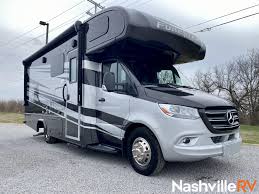
Explore Class B Motorhomes for Sale Near Me: Find Your Perfect RV Today!
Class B Motorhomes for Sale Near Me Exploring Class B…
Explore Affordable Options: Cheap Class B RVs for Sale
Cheap Class B RVs for Sale The Appeal of Affordable…
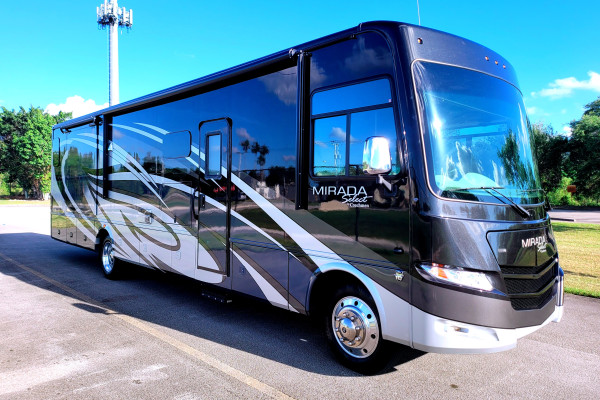
Discover the Beauty of Nice RV Rentals for Your Next Adventure
Exploring the World in Style: The Beauty of RV Rentals…