
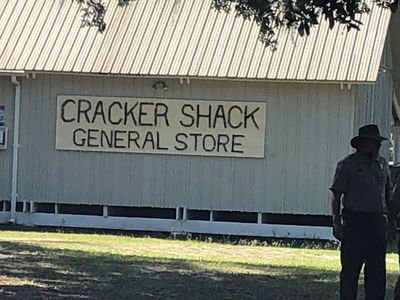
How to Choose the Right Camping Store
A good camping store can help make planning an outdoor trip easier, whether you’re heading out for a weekend at a local campground or preparing for a longer backcountry adventure. The right gear can improve comfort, support safety, and help you enjoy more of your time outdoors. Knowing what to look for in a camping store—and what supplies you may need—can make your shopping trip more productive.
What You Can Find at a Camping Store
Camping stores carry equipment and supplies for a wide range of outdoor activities. Depending on the retailer, you may find:
- Shelter: Tents, tarps, footprints, stakes, and repair kits
- Sleep systems: Sleeping bags, sleeping pads, pillows, and blankets
- Cooking gear: Camp stoves, cookware, utensils, fuel, and food-storage containers
- Lighting: Headlamps, lanterns, flashlights, and batteries
- Clothing: Weather-ready layers, rainwear, hiking socks, and footwear
- Navigation and safety: Maps, compasses, first-aid kits, and emergency supplies
- Comfort and organization: Chairs, tables, coolers, packs, and storage bags
Match Your Gear to Your Trip
Before shopping, consider where you’re going, how long you’ll be there, and how you’ll travel. A family camping trip at a drive-in campground may call for a roomy tent, comfortable chairs, and a larger cooler. A hike-in trip requires lighter, compact equipment that fits in a backpack.
Also think about the season and local conditions. A sleeping bag suited to warm summer nights may not provide enough insulation in colder weather. Check expected temperatures, rain, wind, and any special requirements at your destination before choosing gear.
Focus on Fit, Comfort, and Ease of Use
Camping equipment should work for the people using it. Try on boots and backpacks when possible, and check that clothing allows comfortable movement. For tents and sleeping bags, consider the number of campers, available space, and the conditions you expect to encounter.
It’s helpful to practice using new equipment at home before your trip. Set up your tent, test your stove according to its instructions, and make sure you know how your lighting and water-treatment gear work. A little preparation can prevent frustration at the campsite.
Ask Questions and Compare Options
Staff at a specialty camping store may be able to explain differences between products, help you choose the right size, or suggest gear for a particular kind of trip. Share your plans and budget, and ask about important details such as weight, setup, care, and warranty coverage.
Comparing options is useful, but the most expensive item is not always the best choice. Look for reliable gear that suits your needs and is easy to maintain. For occasional campers, borrowing or renting certain items may also be a practical way to try them before buying.
Build a Camping Checklist
A checklist can help you avoid last-minute shopping and forgotten essentials. Start with the basics: shelter, bedding, appropriate clothing, food, water, lighting, navigation, and first-aid supplies. Add items based on your destination and activities, such as insect protection, sun protection, camp chairs, or equipment for hiking and fishing.
Remember to follow campground rules and local guidance for food storage, fires, and waste. Responsible preparation helps protect both campers and the places they visit.
Get Ready for the Outdoors
The best camping store is one that helps you find suitable gear for your plans—not simply the largest collection of products. With a clear idea of your destination, conditions, and budget, you can choose equipment that supports a safer, more comfortable trip. Pack thoughtfully, learn how to use your gear, and enjoy the time outdoors.
5 Essential Tips for Shopping at a Camping Store
- Compare prices before you buy.
- Choose gear suited to your trip.
- Check tent size and weather ratings.
- Ask about return policies.
- Look for seasonal discounts.
Compare prices before you buy.
Compare prices before you buy to make sure you’re getting good value on your camping gear. Check a few camping stores and reputable online retailers, and compare the same product’s features, warranty, shipping costs, and return policy—not just the sticker price. Seasonal sales and price-matching offers may help you save, but choose gear that fits your trip and needs rather than simply buying the cheapest option.
Choose gear suited to your trip.
Choose gear suited to your trip by considering your destination, the weather, how long you’ll be camping, and how you’ll carry your equipment. A drive-in campsite may allow room for a larger tent, cooler, and comfortable chairs, while a backpacking trip calls for lightweight, compact essentials. Check the expected conditions and campground rules, and choose equipment that fits your needs so you can stay comfortable without packing more than necessary.
Check tent size and weather ratings.
When shopping for a tent, check both its capacity and weather ratings to make sure it suits your trip. Tent capacity is often based on close sleeping arrangements, so consider choosing a larger size if you want extra room for gear or more comfort. Review the tent’s season rating and weather features, such as rainfly coverage, waterproofing, and ventilation, and match them to the conditions you expect. For changing or severe weather, look for a sturdy design and follow the manufacturer’s setup and care instructions.
Ask about return policies.
Before buying camping gear, ask the store about its return and exchange policies. Find out how long you have to return an item, whether it must be unused and in its original packaging, and what proof of purchase is required. Policies may differ for sale items, fuel, or equipment that has been used, so checking the details can help you shop with confidence—especially when you’re unsure about fit, size, or whether a product is right for your trip.
Look for seasonal discounts.
Look for seasonal discounts when shopping at a camping store to save on gear without sacrificing quality. Stores often mark down tents, sleeping bags, camp furniture, and other supplies at the end of the season or during holiday sales. Compare prices, check return policies, and make sure discounted items suit your upcoming trip before you buy.
Related Posts
Exploring the Charm of Nice RV Homes: A Mobile Living Experience
The Beauty of RV Homes The Beauty of RV Homes…
Enhance Your RV Experience with the Camco RV Roof Vent Cover
The Benefits of Camco RV Roof Vent Covers for Your…
Exploring the Best Family-Friendly Motorhomes for Your Next Adventure
Family-Friendly Motorhomes The Ultimate Guide to Family-Friendly Motorhomes Family vacations…