
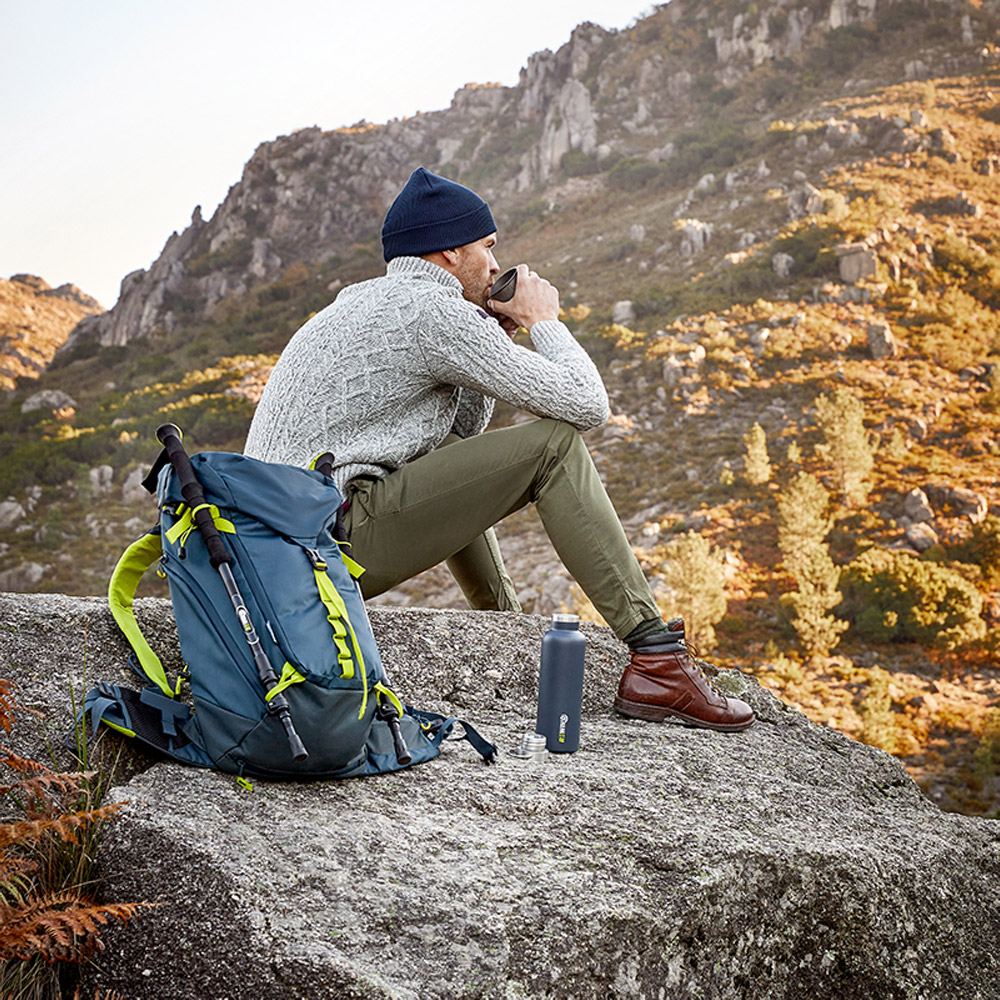
Choosing the Right Outdoor Gear for Your Next Adventure
The right outdoor gear can make a trip more comfortable, safer, and easier to enjoy. Whether you’re heading out for a short day hike, planning a weekend camping trip, or exploring a new trail, choosing equipment that suits the activity and conditions is an important part of getting prepared.
Start With the Activity and Conditions
Outdoor gear isn’t one-size-fits-all. A warm-weather day hike calls for a different setup than a rainy weekend in the mountains. Before packing, consider the length of the trip, expected temperatures, chance of rain, terrain, and whether supplies will be available along the way.
Check the forecast before leaving, but prepare for conditions to change. In remote or mountainous areas, temperatures can drop quickly, and rain or wind can arrive with little warning.
Build a Comfortable Clothing System
Layering makes it easier to adjust to changing weather and activity levels. A practical clothing system typically includes:
- Base layer: A moisture-wicking layer that helps move sweat away from the skin.
- Insulating layer: A fleece, wool, or insulated jacket that helps retain warmth.
- Outer layer: A wind-resistant or waterproof shell to help protect against rain and harsh weather.
Choose clothing suited to the season and avoid relying on cotton in cold or wet conditions, as it can stay damp and lose warmth. Comfortable socks and well-fitted footwear matter, too. Break in hiking boots or trail shoes before a longer trip to reduce the chance of blisters.
Pack the Essentials
For a day outdoors, a few basic items can help prepare for common challenges. A useful starting point includes:
- Water and a way to carry or replenish it
- Food or snacks appropriate for the trip
- A map, compass, or reliable navigation device
- A first-aid kit and any personal medications
- A headlamp or flashlight with spare batteries
- Sun protection, such as sunscreen, sunglasses, and a hat
- A rain layer and an extra warm layer
- A charged phone and an emergency communication plan
For overnight trips, add shelter, a sleeping bag, and a sleeping pad suited to the expected conditions. The pad is more than a comfort item: it provides insulation from the ground.
Choose a Backpack That Fits
A backpack should hold the equipment needed for the outing without making the load difficult to carry. For a day hike, a smaller pack may be enough. Overnight trips generally require more capacity for food, shelter, and sleep equipment.
Fit is just as important as size. Look for adjustable shoulder straps and a hip belt that helps distribute weight. Pack heavier items close to the body and avoid bringing extras that aren’t useful for the planned route or conditions.
Prioritize Safety and Reliability
Outdoor equipment should be in good condition and appropriate for the intended use. Test new gear at home before taking it on a longer trip. Check that zippers work, batteries are charged, footwear fits comfortably, and shelter can be set up correctly.
Share the route and expected return time with someone who isn’t on the trip. In areas with limited cell service, don’t assume a phone will be enough for navigation or emergencies. Follow local rules, stay on designated trails where appropriate, and turn back if weather or conditions become unsafe.
Care for Gear Between Trips
Simple maintenance can help outdoor equipment last longer. Dry tents and clothing thoroughly before storing them, clean footwear after muddy outings, and inspect packs, straps, and buckles for damage. Follow the manufacturer’s care instructions, especially for waterproof fabrics and insulated sleeping bags.
Pack for the Trip, Not the Possibilities
Good outdoor gear is dependable, comfortable, and suited to the conditions—not necessarily the most expensive or feature-packed. Start with the essentials, choose items that fit well, and build a setup based on the activities ahead. Thoughtful preparation helps make room for what matters most: enjoying time outside.
9 Essential Tips for Choosing and Maintaining Outdoor Gear
- Choose gear suited to the weather.
- Break in hiking boots before long trips.
- Pack a reliable headlamp and spare batteries.
- Use a waterproof pack cover in wet conditions.
- Carry a map and compass as backups.
- Layer clothing for changing temperatures.
- Keep a basic repair kit in your pack.
- Store food in wildlife-safe containers.
- Check gear for damage before every trip.
Choose gear suited to the weather.
Choose outdoor gear that matches the weather you expect, and prepare for conditions to change. Wear breathable layers in warm weather, bring insulation when temperatures may drop, and pack a waterproof, wind-resistant shell when rain or strong winds are possible. Check the forecast before you leave, and consider the terrain and length of your trip so you stay comfortable and prepared.
Break in hiking boots before long trips.
Break in your hiking boots before taking them on a long trip. Wear them around the house, on short walks, and on a few easy hikes so the materials can soften and your feet can adjust. This gives you time to spot pressure points, check the fit with your hiking socks, and make adjustments before you’re miles from the trailhead.
Pack a reliable headlamp and spare batteries.
Pack a reliable headlamp and spare batteries whenever you head outdoors. A headlamp keeps your hands free for setting up camp, checking a map, or handling gear after dark, while spare batteries help ensure you’re not left without light if the original set runs low. Test the headlamp before your trip, and store the batteries somewhere dry and easy to reach.
Use a waterproof pack cover in wet conditions.
A waterproof pack cover is a simple way to help keep your backpack and its contents dry in wet conditions. Choose one that fits your pack securely, and make sure it covers the sides and front without blocking straps or pockets. For extra protection, store items like electronics, clothing, and food in dry bags or waterproof liners inside your pack, since rain can still seep in around openings or seams.
Carry a map and compass as backups.
Carry a map and compass as backups, even if you rely on a phone or GPS device for navigation. Batteries can die, devices can get damaged, and service may be unavailable in remote areas. Learn how to use a map and compass before your trip, and keep them somewhere dry and easy to reach so you can find your way if your primary navigation tool fails.
Layer clothing for changing temperatures.
Layering your clothing helps you stay comfortable when temperatures and activity levels change outdoors. Start with a moisture-wicking base layer, add an insulating layer such as fleece or wool for warmth, and bring a lightweight outer shell to protect against wind or rain. You can add or remove layers as needed, helping you stay warm without overheating.
Keep a basic repair kit in your pack.
Keep a basic repair kit in your pack so small equipment problems don’t derail your outdoor plans. A few essentials—such as repair tape, a small multi-tool, spare cord, safety pins, and patches for your sleeping pad or tent—can help handle loose straps, torn fabric, or other minor damage. Choose supplies suited to your gear and trip, and know how to use them before you head out.
Store food in wildlife-safe containers.
Store food, snacks, and scented items in wildlife-safe containers to help keep animals from accessing them and reduce the risk of unwanted encounters. Use approved bear-resistant canisters or food lockers where required, and follow local guidance for storing supplies at camp. Keep containers sealed and away from tents, and never leave food unattended outdoors.
Check gear for damage before every trip.
Before every trip, take a few minutes to inspect your outdoor gear for damage. Check zippers, straps, buckles, seams, and fabric for signs of wear, and make sure essentials like flashlights, water filters, and navigation devices work properly. Finding a problem at home gives you time to repair or replace the item—so it won’t catch you off guard on the trail.
Related Posts
Protect Your RV’s Heating System with a Quality Furnace Cover Plate
RV Furnace Cover Plate: Protecting Your RV's Heating System RV…
Exploring the Best RV Campgrounds for Your Next Adventure
The Ultimate Guide to RV Campgrounds The Ultimate Guide to…
Explore the Ultimate Motorhome Parts Shop for All Your RV Needs
The Ultimate Destination for Motorhome Parts: Your One-Stop Shop Are…