
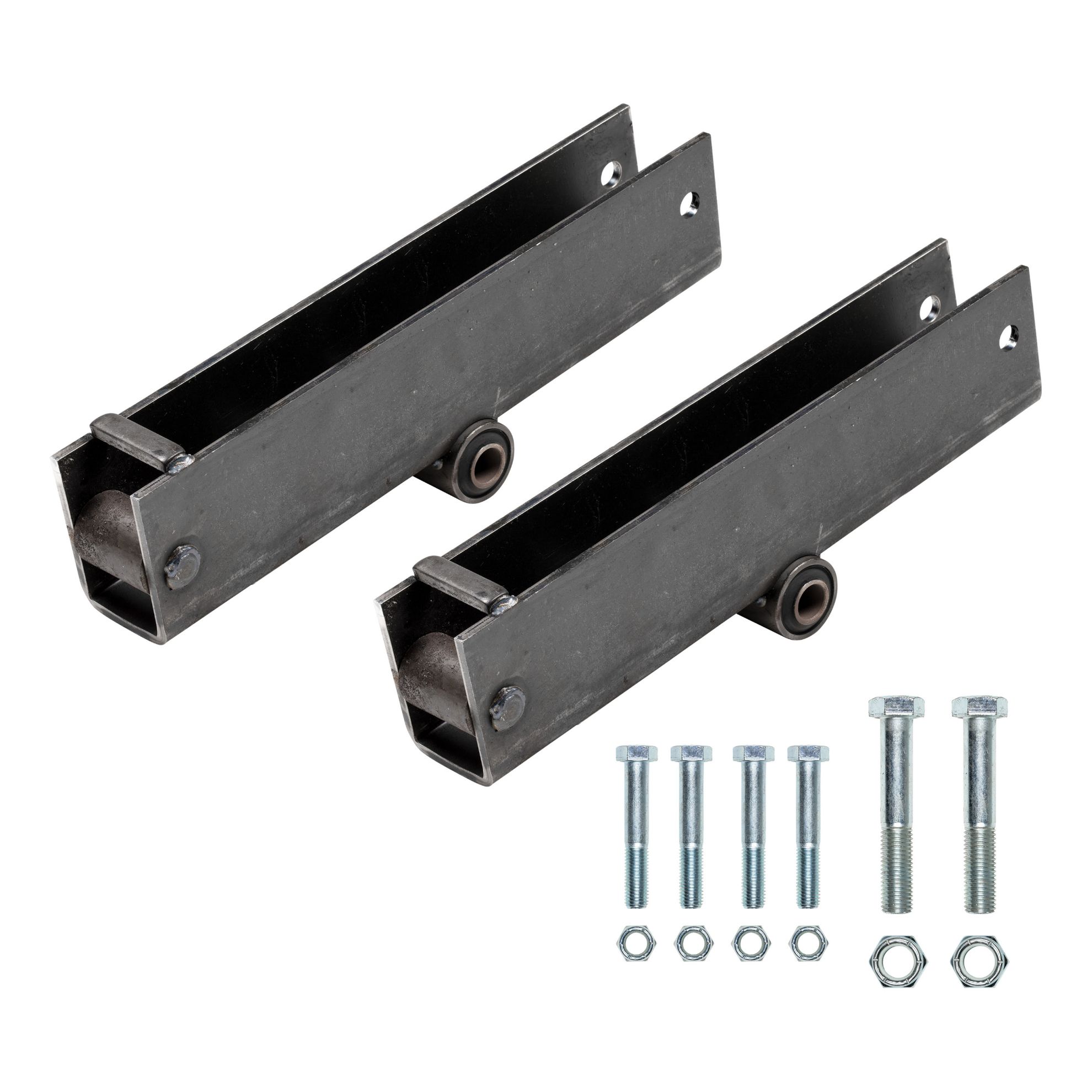
Exploring RV Suspension Parts
When it comes to ensuring a smooth and safe ride in your RV, the suspension system plays a crucial role. RV suspension parts are designed to absorb shocks, minimize vibrations, and provide stability on various road surfaces. Understanding the key components of an RV’s suspension system can help you maintain and enhance your vehicle’s performance.
Common RV Suspension Parts
Springs: Springs are a fundamental part of the suspension system that support the weight of the RV and help absorb road bumps. There are different types of springs used in RVs, including leaf springs and coil springs.
Shock Absorbers: Shock absorbers work in conjunction with springs to dampen vibrations and prevent excessive bouncing. They play a vital role in providing a comfortable ride by controlling the movement of the suspension system.
Bushings: Bushings are components that cushion the connection points between different parts of the suspension system, reducing noise and vibration while allowing for smooth movement.
Maintaining Your RV Suspension System
Regular inspection and maintenance of your RV’s suspension system are essential to ensure optimal performance and safety on the road. Here are some tips for maintaining your RV suspension parts:
- Check for signs of wear or damage on springs, shock absorbers, and bushings.
- Ensure proper lubrication of moving parts to prevent friction and wear.
- Monitor tire pressure and alignment to avoid uneven wear on suspension components.
- Consider upgrading to high-quality aftermarket suspension parts for improved ride comfort and handling.
Conclusion
Your RV’s suspension system is a critical component that contributes to your overall driving experience. By understanding the function of key suspension parts and following a regular maintenance routine, you can enjoy a smoother ride, enhanced stability, and increased safety during your travels with your RV.
Essential Tips for Maintaining and Upgrading Your RV Suspension System
- Regularly inspect and maintain your RV suspension parts for wear and tear.
- Ensure proper alignment of your RV wheels to prevent uneven tire wear.
- Check the air pressure in your RV tires as recommended by the manufacturer.
- Consider upgrading to heavy-duty shocks or struts for improved stability and control.
- Inspect and lubricate suspension bushings to prevent squeaks and improve ride quality.
- Be mindful of weight distribution in your RV to avoid excessive strain on suspension components.
- If you notice any unusual noises or vibrations while driving, have your suspension system checked by a professional.
- Follow the manufacturer’s guidelines for replacing worn-out suspension parts to maintain safe handling of your RV.
Regularly inspect and maintain your RV suspension parts for wear and tear.
Regularly inspecting and maintaining your RV suspension parts for wear and tear is essential to ensure a safe and comfortable journey on the road. By keeping a close eye on components such as springs, shock absorbers, and bushings, you can address any issues promptly and prevent potential problems that may affect your RV’s performance. A proactive approach to maintenance not only extends the lifespan of your suspension system but also enhances overall driving experience by minimizing vibrations and ensuring optimal stability.
Ensure proper alignment of your RV wheels to prevent uneven tire wear.
Proper alignment of your RV wheels is essential to prevent uneven tire wear. When the wheels are not aligned correctly, it can cause tires to wear unevenly, leading to premature tire damage and compromising your vehicle’s handling and safety. By ensuring that your RV’s wheels are properly aligned, you can extend the lifespan of your tires, improve fuel efficiency, and maintain a smoother and more stable ride on the road. Regular wheel alignment checks should be part of your RV maintenance routine to ensure optimal performance and safety during your travels.
Check the air pressure in your RV tires as recommended by the manufacturer.
It is crucial to regularly check the air pressure in your RV tires as recommended by the manufacturer. Proper tire inflation not only ensures optimal performance but also plays a significant role in maintaining the integrity of your RV’s suspension system. By adhering to the manufacturer’s recommended tire pressure, you can help prevent uneven wear on suspension parts, improve handling and stability, and enhance overall safety while driving your RV.
Consider upgrading to heavy-duty shocks or struts for improved stability and control.
Consider upgrading to heavy-duty shocks or struts for improved stability and control on your RV. By opting for these high-performance components, you can enhance your vehicle’s ability to absorb shocks and vibrations, resulting in a smoother and more controlled ride. Heavy-duty shocks or struts provide greater support and damping force, especially when navigating rough terrains or encountering uneven road surfaces. This upgrade can significantly improve your overall driving experience and ensure a safer and more comfortable journey in your RV.
Inspect and lubricate suspension bushings to prevent squeaks and improve ride quality.
Inspecting and lubricating suspension bushings is a crucial maintenance tip for RV owners looking to prevent squeaks and enhance ride quality. By regularly checking the condition of these components and ensuring they are properly lubricated, you can minimize friction, reduce noise, and improve the overall comfort of your RV’s suspension system. This simple yet effective practice not only helps extend the lifespan of your suspension parts but also contributes to a smoother and more enjoyable driving experience on the road.
Be mindful of weight distribution in your RV to avoid excessive strain on suspension components.
Proper weight distribution in your RV is crucial to prevent excessive strain on suspension components. When loading your vehicle, be mindful of how weight is distributed to ensure that the load is balanced evenly. Uneven weight distribution can lead to increased stress on suspension parts, affecting their performance and longevity. By maintaining a balanced load and adhering to weight limits, you can help preserve the integrity of your RV’s suspension system and enjoy a smoother, safer ride on the road.
If you notice any unusual noises or vibrations while driving, have your suspension system checked by a professional.
If you notice any unusual noises or vibrations while driving your RV, it is crucial to have your suspension system checked by a professional. Ignoring such signs can lead to further damage and compromise your safety on the road. A qualified technician can identify the source of the issue and recommend necessary repairs or replacements to ensure that your RV’s suspension system is in optimal condition. Prioritizing regular inspections and addressing any abnormalities promptly can help maintain the performance and longevity of your vehicle’s suspension components.
Follow the manufacturer’s guidelines for replacing worn-out suspension parts to maintain safe handling of your RV.
Following the manufacturer’s guidelines for replacing worn-out suspension parts is crucial to maintaining safe handling of your RV. By adhering to the recommended maintenance schedule and replacing components as needed, you ensure that your RV’s suspension system operates at its best, providing stability and control on the road. Neglecting worn-out parts can compromise the overall performance of your vehicle and pose safety risks for you and your passengers. Prioritizing regular inspections and timely replacements based on the manufacturer’s recommendations is key to enjoying a smooth and secure driving experience in your RV.
Related Posts

Unleash Your Wanderlust with the Ultimate Adventure Van Experience
The Adventure Van: Your Ticket to Freedom on the Open…

Unforgettable Journey: The Essence of a Trip
The Essence of a Trip The Essence of a Trip…

The Driving Experience: Embracing Freedom on the Open Road
The Joy of Driving: A Journey of Freedom and Exploration…