
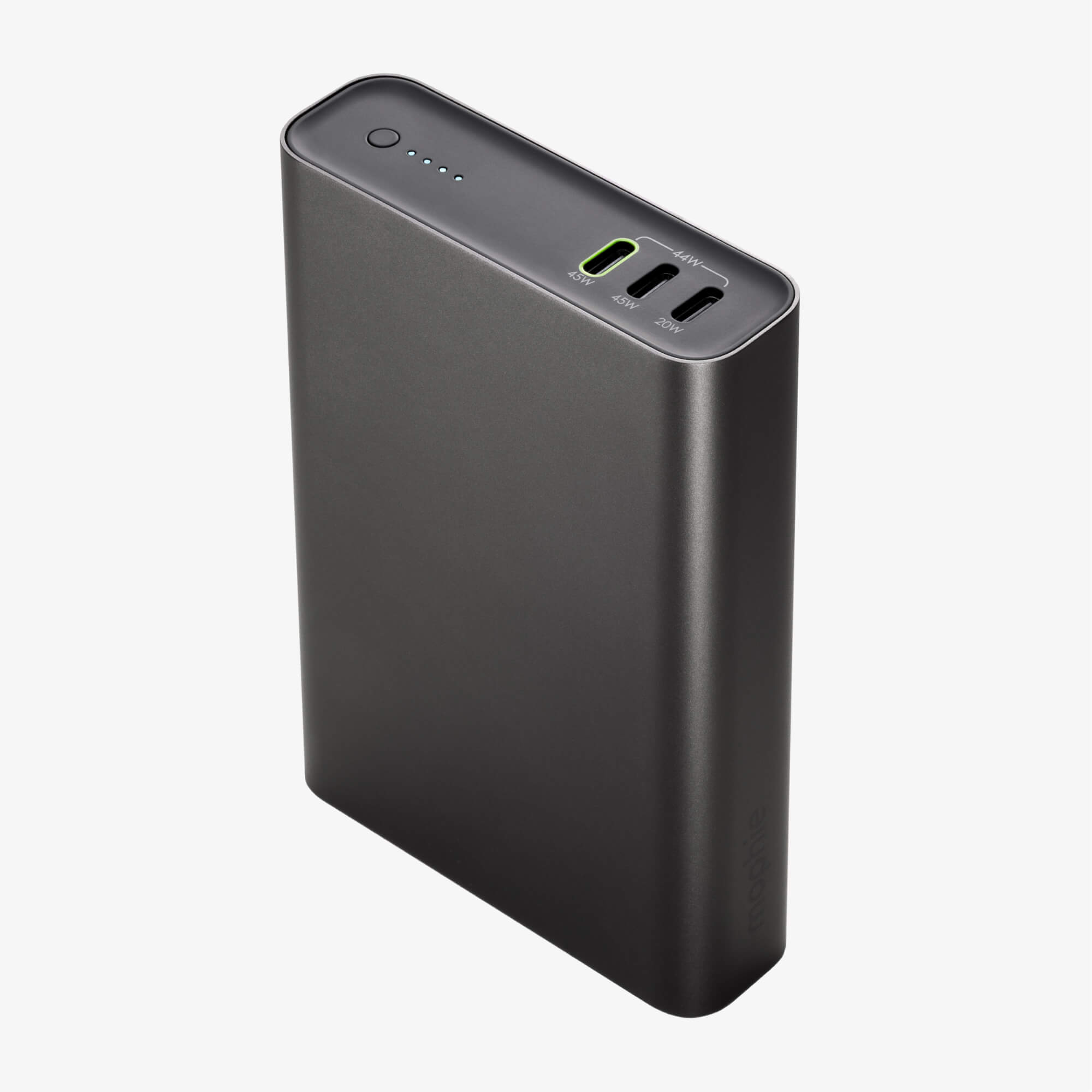
Portable: Bringing Convenience Wherever You Go
Portable products are designed to be easy to carry, move, or use in different locations. From laptops and speakers to power stations, tools, and cooking equipment, portability makes it possible to take useful features beyond the home or office.
What Does “Portable” Mean?
A portable item is generally lightweight or compact enough to transport and practical to use without being permanently installed. Some products run on rechargeable batteries, while others fold, pack, or connect easily to different setups. The exact meaning depends on the product: a portable monitor may be easy to carry in a bag, while a portable generator may still require a vehicle to move.
Benefits of Portable Products
- Flexibility: Use a product in more than one room, workplace, or outdoor setting.
- Convenience: Bring useful equipment along for travel, work, recreation, or emergencies.
- Space savings: Compact or foldable designs can be easier to store when not in use.
- Greater independence: Battery-powered products can work in places where an outlet is unavailable, depending on battery life and power needs.
Choosing the Right Portable Product
Before buying, consider how and where you plan to use the item. Weight and size matter if you will carry it often. Battery life, charging time, and access to replacement batteries may be important for electronics. For equipment that uses electricity, check its power output and make sure it can safely support the devices you intend to connect.
Durability is another key factor, especially for products used outdoors or during travel. Look for clear information about materials, weather resistance, warranty coverage, and care. A carrying case, folding design, or built-in handle may also make an item more practical.
Portability and Trade-Offs
Portable designs can involve compromises. Smaller products may have fewer features, less storage, or lower power than full-size alternatives. Battery-powered models also need to be recharged, and some may not perform as well under heavy or continuous use. Comparing specifications with your everyday needs can help you decide whether portability is worth the trade-off.
Make Portability Work for You
The best portable product is one that fits your routine. Think about how often you will move it, what you need it to do, and how much space you have for storage. With the right balance of size, performance, and reliability, portable equipment can make work, travel, and leisure more convenient—wherever the day takes you.
5 Essential Tips for Choosing and Protecting Your Portable Devices
- Choose lightweight gear for easy carrying.
- Check battery life before buying portable electronics.
- Use a padded case to prevent damage.
- Keep chargers and accessories organized.
- Secure portable items during travel.
Choose lightweight gear for easy carrying.
Choose lightweight gear to make carrying your essentials easier, whether you’re heading to a campsite, traveling, or spending the day outdoors. Lighter equipment can reduce the strain of carrying supplies and leave more room for other necessities. Before you buy, check the item’s weight and make sure it still offers the durability, comfort, and features you need.
Check battery life before buying portable electronics.
Before buying portable electronics, check the battery life to make sure it suits the way you plan to use the device. Consider how long it lasts during typical use, how quickly it recharges, and whether you can charge it easily while traveling. A longer-lasting battery can be especially useful on long trips or in places where outlets are hard to find.
Use a padded case to prevent damage.
Use a padded case to help protect portable devices and equipment from bumps, scratches, and other damage while you’re on the move. Choose a case that fits snugly, offers cushioning on all sides, and has secure closures so your gear stays protected during travel and storage.
Keep chargers and accessories organized.
Keep chargers and accessories organized so they’re easy to find when you need them. Use a small pouch or organizer to store cables, adapters, power banks, and other essentials, and secure loose cords with reusable ties to prevent tangles. Label similar-looking chargers or keep each device’s accessories together. A little organization saves time, protects your gear, and makes packing for travel or outdoor adventures much easier.
Secure portable items during travel.
Secure portable items before you travel to help prevent damage, spills, or injuries from shifting gear. Place smaller belongings in closed bags or storage bins, fasten larger items with straps, and keep heavy equipment low and firmly anchored. In an RV or vehicle, make sure aisles and exits stay clear, and check that everything remains secure before setting off.
Related Posts

The Ultimate Guide to the Most Luxurious Class C RVs for Your Next Adventure
The Most Luxurious Class C RV The Most Luxurious Class…

Essential Guide to Caravan Awning Spare Parts: Keeping Your Outdoor Haven in Top Condition
The Essential Guide to Caravan Awning Spare Parts Caravan awnings…
Exploring the Tech Frontier: The Evolution of RV Electronics
The Evolution of RV Electronics The Evolution of RV Electronics…