
Toy Haulers: A Guide to Bringing Your Gear on the Road
A toy hauler is a recreational vehicle designed to combine living space with a dedicated area for carrying recreational equipment. Depending on the model, that space can hold motorcycles, ATVs, dirt bikes, bicycles, kayaks, or other gear. When the equipment is unloaded, the garage may also serve as extra living, dining, or sleeping space.
How a Toy Hauler Works
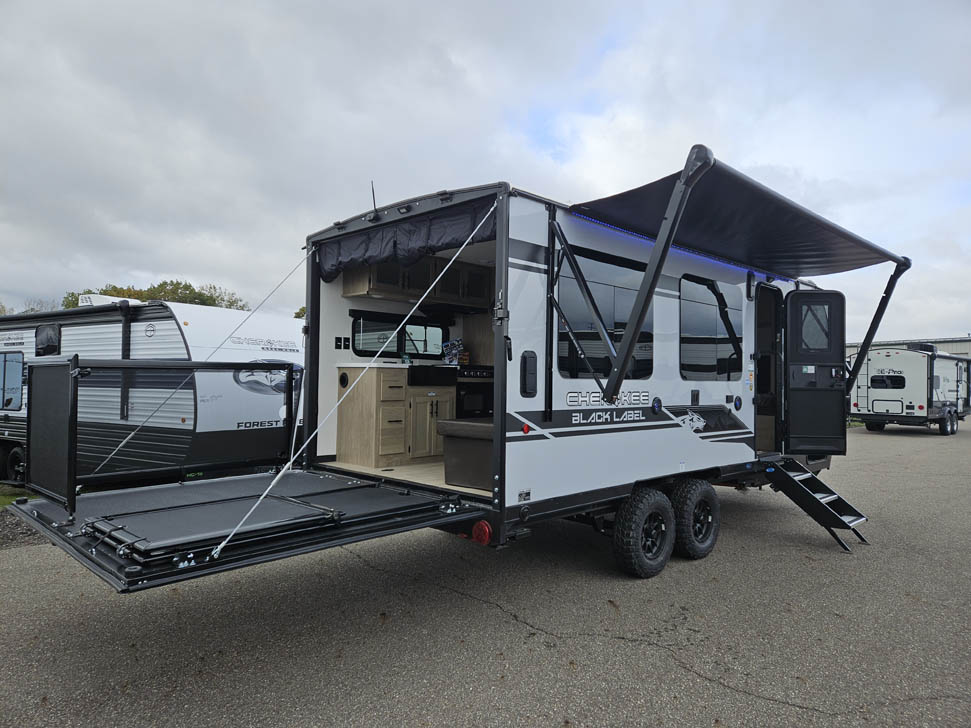
Most toy haulers have a rear ramp door that makes loading and unloading easier. Inside, tie-down points help secure cargo during travel. Many models also include a garage separated from the main living area by a wall or partition. Some have fold-down beds, benches, or tables in the garage, allowing the space to serve more than one purpose.
Toy haulers come in several forms, including travel trailers, fifth wheels, and motorized RVs. The right type depends on your vehicle, budget, desired living space, and the equipment you plan to bring.
Common Features
- Garage area: A designated space for recreational equipment and cargo.
- Ramp door: A rear door that can be lowered to create a loading ramp. Some ramp doors also convert into patios, depending on the model.
- Tie-downs: Anchors used to secure equipment and help prevent it from shifting during travel.
- Flexible furniture: Fold-away beds, benches, or tables can make the garage useful after unloading.
- Living amenities: Depending on the floor plan, the RV may include a kitchen, bathroom, sleeping areas, and storage.
Features vary widely, so it’s important to check the specifications of each RV rather than assume that every toy hauler includes the same equipment.
Benefits of a Toy Hauler
The main advantage is convenience: you can bring your equipment and living quarters in one RV. This can make trips to off-road parks, campgrounds, races, and outdoor recreation areas easier to organize. A garage can also be useful for hauling bulky items that do not fit comfortably in a standard RV storage compartment.
The adaptable interior is another benefit. Once the gear is unloaded, the garage can provide extra room for relaxing, eating, or sleeping. For travelers who need both cargo capacity and a comfortable place to stay, that flexibility can be appealing.
What to Consider Before Buying
Payload and Cargo Capacity
Equipment adds weight quickly. Check the toy hauler’s cargo carrying capacity and compare it with the combined weight of your gear, supplies, passengers, and any accessories. Do not rely on the garage’s size alone to determine how much it can safely carry.
Towing Capacity and Weight Ratings
If you’re considering a towable model, make sure your truck or other tow vehicle can handle the RV’s loaded weight. Review the relevant weight ratings, including the vehicle’s towing capacity and the RV’s gross vehicle weight rating (GVWR). A qualified dealer or towing professional can help you understand how the numbers apply to your setup.
Garage Dimensions
Measure your equipment before shopping. Check the garage’s length, width, and height, as well as the ramp opening. Remember to account for accessories such as handlebars, mirrors, racks, or windshields.
Floor Plan and Everyday Comfort
Think about how you’ll use the RV when the garage is empty. Consider the number of sleeping spaces, kitchen layout, bathroom setup, seating, and storage. If the garage will double as a living area, look for furniture and finishes that suit that purpose.
Maintenance and Storage
Like any RV, a toy hauler needs regular maintenance. Inspect the ramp, seals, tires, brakes, tie-down points, and cargo area. If you transport muddy or dusty equipment, consider how easy the garage is to clean and whether the layout helps keep dirt away from the living space.
Is a Toy Hauler Right for You?
A toy hauler may be a good fit if you regularly travel with recreational equipment and want a dedicated space for it. It can also work well for people who value flexible interior space. On the other hand, if you rarely carry gear, a conventional travel trailer or motorhome may offer a layout that better suits your needs.
Before choosing, list the equipment you plan to bring, measure it, estimate its weight, and compare those requirements with the RV’s specifications. With the right match, a toy hauler can make it easier to bring your favorite activities along on the journey.
Top 7 FAQs About Toy Haulers: Costs, Benefits, and Best Options
- What are the cons of a toy hauler?
- Why are toy haulers so expensive?
- Is buying a toy hauler worth it?
- What are toy haulers good for?
- What is the best toy hauler for the money?
- Who makes the best toy haulers?
- Can a 1500 truck pull a toy hauler?
What are the cons of a toy hauler?
Toy haulers can be heavier and more expensive than comparable RVs, and their added weight may require a capable tow vehicle and reduce fuel economy. The garage also takes up space that could otherwise be used for living areas, while the ramp, tie-downs, and cargo space add components that need regular inspection and maintenance. Because equipment counts toward the RV’s weight limits, owners must load carefully and stay within the manufacturer’s ratings. Depending on the floor plan, the garage may also feel less comfortable or finished than the main living space.
Why are toy haulers so expensive?
Toy haulers can cost more than many standard RVs because they combine living accommodations with a heavy-duty cargo area. Their design often requires reinforced frames and floors, a ramp door, cargo tie-downs, and components built to handle the added weight of recreational equipment. They may also include full kitchens, bathrooms, sleeping areas, and flexible garage furniture, which adds materials and complexity. The final price varies by size, construction, features, and whether the toy hauler is a travel trailer, fifth wheel, or motorhome.
Is buying a toy hauler worth it?
Buying a toy hauler can be worth it if you regularly travel with motorcycles, ATVs, bikes, or other bulky gear and want the convenience of carrying it alongside your living space. Its flexible garage can also serve as extra sleeping or hangout space once unloaded. However, toy haulers may cost more, weigh more, and require a capable tow vehicle, so compare the purchase and operating costs with how often you’ll use the cargo area. If you rarely bring recreational equipment, a standard RV may be a better fit.
What are toy haulers good for?
Toy haulers are designed to carry recreational gear—such as motorcycles, ATVs, dirt bikes, bicycles, or kayaks—along with your living space. Their garage area typically has a rear ramp for loading and tie-downs to secure cargo, and it can often be used as extra living or sleeping space once the gear is unloaded. They’re especially useful for camping trips, races, and outdoor adventures where you want to bring bulky equipment along.
What is the best toy hauler for the money?
The best toy hauler for the money is the one that fits your gear, towing vehicle, travel style, and budget without sacrificing essential safety or comfort. Compare the total cost—not just the sticker price—including cargo capacity, floor plan, build quality, included features, maintenance, and expected resale value. A smaller or simpler model may offer better value if it meets your needs, while a larger unit can be worth the extra cost if you’ll regularly use its added space and amenities. Before buying, check the toy hauler’s weight ratings and garage dimensions, and compare several models with similar specifications.
Who makes the best toy haulers?
There’s no single toy hauler brand that’s best for everyone—the right choice depends on your budget, tow vehicle, cargo needs, floor plan, and preferred features. Popular manufacturers include Grand Design, Keystone, Forest River, Heartland, and Jayco, each offering models with different layouts and price points. Compare specific models for cargo capacity, garage dimensions, weight ratings, construction, warranty coverage, and owner reviews, and make sure the loaded RV is compatible with your tow vehicle.
Can a 1500 truck pull a toy hauler?
A 1500-series truck may be able to tow a small, lightweight toy hauler, but the truck’s model name alone isn’t enough to determine whether a particular setup is safe. Check the truck’s towing capacity, payload rating, and axle and hitch limits against the toy hauler’s loaded weight; for a fifth-wheel toy hauler, also account for the pin weight, which can use up a pickup’s payload quickly. Compare the figures on the truck’s certification label and in its owner’s manual with the RV’s specifications, and allow for passengers, cargo, and equipment. When in doubt, have the loaded setup weighed and confirm it stays within every rating.
Related Posts
The Ultimate Luxury Experience: Triple Decker Double Decker RV
Triple Decker Double Decker Luxury RV The Ultimate in Luxury…

Exploring the Wonders of Outdoor Camping: Embrace Nature’s Beauty Under the Stars
The Thrill of Outdoor Camping There's something magical about spending…
Essential Must-Have Fifth Wheel Accessories for Your Next Adventure
The Must-Have Fifth Wheel Accessories for Your Next Adventure When…