

The Ultimate RV Camping Checklist
A little preparation can make an RV trip more comfortable and help you avoid last-minute stops for forgotten essentials. Use this checklist to get ready for the road, then tailor it to your destination, travel plans, and the needs of everyone in your group.
Before You Leave
- Confirm your reservations, route, and campground check-in details.
- Check the weather and road conditions along your route.
- Review your RV’s owner’s manual and make sure you understand its systems.
- Inspect tires, lights, mirrors, and windshield wipers.
- Check fluid levels and fuel, and make sure your batteries are charged.
- Secure loose items inside the RV and close cabinets, windows, and roof vents.
- Retract awnings, stabilize equipment, and confirm that exterior storage doors are latched.
- Make sure everyone knows the basic safety procedures and emergency contact plan.
RV Setup and Utility Gear
Campground hookups and equipment can vary, so check what your site provides before you pack. Useful items may include:
- Potable-water hose and pressure regulator
- Water filter, if needed
- Sewer hose, fittings, and disposable gloves
- Electrical power cord and adapters compatible with your RV
- Surge protector or electrical management system
- Wheel chocks and leveling blocks
- Flashlight or headlamp
- Basic tool kit, duct tape, and work gloves
- Outdoor mat and folding chairs
Use equipment according to its instructions, and never force a connection that does not fit. If you are unsure how to connect or operate a system, consult the owner’s manual or ask a qualified professional for guidance.
Kitchen and Food
- Reusable plates, bowls, cups, and utensils
- Cooking pots, pans, and basic cooking tools
- Dish soap, sponge, and kitchen towels
- Food-storage containers and resealable bags
- Drinking water and refillable water bottles
- Easy meals and snacks for travel days
- Condiments, cooking oil, and seasonings
- Cooler or insulated bags, if needed
- Trash and recycling bags
Pack perishable food safely and keep it at the proper temperature. Plan a few simple meals for the first day so you do not have to shop or cook immediately after arriving.
Clothing and Personal Items
- Clothing suited to the forecast and planned activities
- Comfortable walking shoes and extra socks
- Rain jacket and warm layers
- Sleepwear and extra blankets, if needed
- Toiletries, medications, and personal-care items
- Sunscreen, sunglasses, and insect repellent
- Hats and swimwear, if appropriate for your destination
- Towels and laundry supplies for longer trips
Safety and First Aid
- First-aid kit and any personal medications
- Emergency contact information
- Roadside assistance details and insurance information
- Reflective warning triangles or roadside visibility gear
- Fire extinguisher and working smoke and carbon-monoxide detectors
- Drinking water for emergencies
- Phone chargers and a backup power source
Check that safety equipment is in working order before departure. Follow the RV manufacturer’s guidance for detector testing and fire-extinguisher maintenance, and learn the location of emergency exits.
Outdoor and Entertainment Gear
- Maps or offline navigation tools
- Books, games, or downloaded entertainment
- Binoculars, camera, or other activity-specific gear
- Hiking equipment or bicycles, if permitted and safely secured
- Reusable bags for day trips
- Pet supplies, if traveling with an animal
Check campground rules and local guidance before bringing items such as bikes, grills, or firewood. Some places restrict open fires or require firewood to be purchased nearby to help prevent the spread of pests.
Arrival and Departure Checks
When you arrive, park on a suitable surface and follow the campground’s instructions for leveling and connecting utilities. Before pulling out, walk around the RV to confirm that hookups are disconnected, storage doors are latched, steps are retracted, and all exterior equipment is stowed.
Keep this checklist on your phone or print a copy for your RV. A quick review before departure and before each drive can help you stay organized and spend more time enjoying the journey.
Essential FAQs for Creating the Perfect RV Camping Checklist
- What should be included on an RV camping checklist?
- How do I make a checklist for an RV trip?
- What should I check before driving an RV?
- What RV supplies should I pack for a camping trip?
- How can I make sure my RV is safe before departure?
- Should I customize my camping checklist for each trip?
What should be included on an RV camping checklist?
An RV camping checklist should cover everything you need for a safe, comfortable trip. Include travel documents and reservations; clothing and toiletries; food, water, cookware, and utensils; bedding and towels; and essentials such as medications, a first-aid kit, flashlights, and phone chargers. Pack RV-specific gear too, such as leveling blocks, wheel chocks, a potable-water hose, sewer hose, electrical cord and adapters, and basic tools. Before leaving, check the RV’s tires, lights, fluid levels, batteries, and safety equipment, and make sure all doors, windows, storage compartments, and exterior gear are secured.
How do I make a checklist for an RV trip?
To make a checklist for an RV trip, start by dividing it into categories such as travel documents, RV maintenance and safety, campground hookups, clothing, food, toiletries, and outdoor activities. Add essentials like your driver’s license, reservation details, medications, first-aid supplies, tire and fluid checks, leveling blocks, and the hoses and power cords your RV requires. Tailor the list to your destination, trip length, weather, and travel companions, including any pets. Before you leave, review each item, note what needs to be packed or checked, and save the checklist on your phone or print a copy so it’s easy to use.
What should I check before driving an RV?
Before driving an RV, walk around it to check the tires, lights, mirrors, and any visible signs of damage. Make sure exterior storage compartments, windows, roof vents, and entry steps are closed or secured, and retract the awning and stabilizers. Disconnect and stow power, water, and sewer hookups, then confirm that loose items inside are secured and cabinets are latched. Adjust your mirrors and seat, buckle up, and check that passengers and pets are safely seated. Follow your RV’s owner’s manual for any model-specific pre-drive checks.
What RV supplies should I pack for a camping trip?
Pack supplies that cover your RV’s hookups, everyday comfort, and safety. Essentials may include a potable-water hose and pressure regulator, sewer hose and gloves, the correct electrical cord and adapters, wheel chocks or leveling blocks, a first-aid kit, flashlights, basic tools, and any medications you need. Bring bedding, weather-appropriate clothing, toiletries, towels, cookware, reusable dishes, food, and drinking water. Check your RV manual and campground amenities before you leave, since equipment needs vary by vehicle and campsite.
How can I make sure my RV is safe before departure?
Before departure, walk around your RV and check that the tires are properly inflated and in good condition, exterior lights work, and mirrors are adjusted. Secure cabinets and loose items inside, close and latch windows and storage compartments, retract the steps and awnings, and disconnect and stow all utility hookups. Confirm that cargo is balanced and safely secured, review your RV’s owner’s manual for model-specific checks, and make sure safety equipment—such as the fire extinguisher, smoke alarm, and carbon monoxide detector—is ready to use.
Should I customize my camping checklist for each trip?
Yes. Customize your camping checklist for each trip based on the destination, weather, length of stay, planned activities, and who’s traveling with you. A weekend at a full-hookup campground may call for different supplies than a remote campsite or a trip with kids or pets. Start with a master checklist, then add or remove items so you’re prepared without packing more than you need.
Related Posts
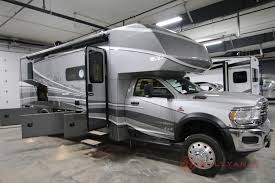
Explore Class C Diesel Motorhomes for Sale and Find Your Perfect Adventure Companion
Class C Diesel Motorhomes for Sale The Allure of Class…

Exploring the Benefits of Recreational Activities: Enhancing Well-being Through Leisure Pursuits
The Joy of Recreational Activities The Joy of Recreational Activities…
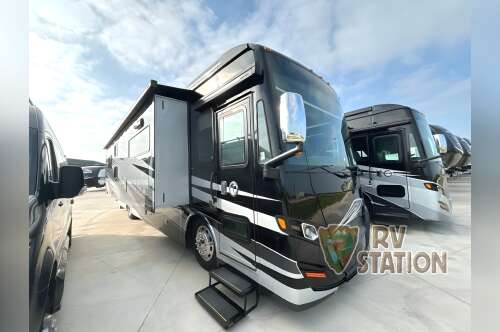
Enhance Your RV Lifestyle with Tiffin Motorhome Accessories
Tiffin Motorhome Accessories The Ultimate Guide to Tiffin Motorhome Accessories…