
Toy Hauler RVs: A Guide to Bringing Your Gear on the Road
A toy hauler RV combines living space with a dedicated area for carrying recreational equipment. Depending on the model, that cargo space can hold motorcycles, ATVs, bicycles, kayaks, or other gear. When you arrive at your destination, the cargo area may also serve as a lounge, dining space, or extra sleeping area.
Toy haulers are popular with travelers who want to bring their hobbies along without giving up the comforts of an RV. They come in several styles and sizes, so understanding how they work can help you decide whether one fits your travel plans.
What Is a Toy Hauler RV?
A toy hauler is an RV with a garage-style cargo area, usually accessed through a rear ramp door. The ramp makes it easier to load and unload equipment. Many models include tie-down points to help secure cargo during travel.
Toy haulers are available as travel trailers, fifth wheels, and motorhomes. Some have a clearly separated garage and living area, while others use flexible layouts that convert the cargo space after unloading. Features vary by model, so it’s important to review the floor plan and equipment specifications before choosing one.
Why Choose a Toy Hauler?
- Bring recreational gear: Carry equipment such as dirt bikes, side-by-sides, or bicycles in a dedicated space.
- Use the space in different ways: Depending on the design, the garage may become a sitting area, dining space, or sleeping area when the gear is removed.
- Keep cargo sheltered: An enclosed garage protects equipment from many weather conditions and keeps it out of the elements during travel.
- Enjoy a comfortable base camp: A toy hauler can combine storage, sleeping space, a kitchen, and a bathroom in one vehicle.
Types of Toy Hauler RVs
Toy Hauler Travel Trailers
These models are towed by a suitable truck or SUV, depending on the trailer’s weight and towing requirements. They can be a practical option for travelers who want to leave the RV at camp and use the tow vehicle separately.
Toy Hauler Fifth Wheels
Fifth-wheel toy haulers connect to a hitch mounted in the bed of a pickup truck. They often offer generous living space, but the truck must be compatible with the RV’s weight and hitch requirements.
Toy Hauler Motorhomes
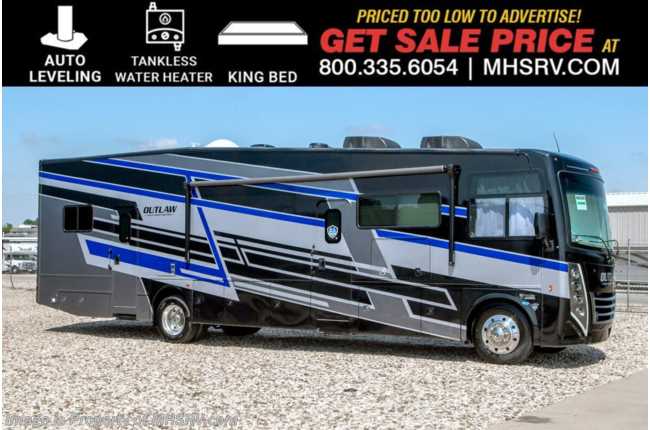
Motorized toy haulers combine the driving and living areas in one vehicle. Some include a rear garage for equipment. Their layouts and capacities vary, so shoppers should check the cargo area, vehicle dimensions, and carrying limits closely.
What to Consider Before Buying
Weight and Carrying Capacity
Pay attention to the RV’s unloaded weight, maximum permitted weight, and carrying capacity. The weight of your equipment, passengers, water, supplies, and accessories all contributes to the total load. For a towable model, confirm that the tow vehicle and hitch can handle the RV according to their manufacturers’ ratings. Never rely on appearance or a general rule of thumb; check the vehicle labels and official specifications.
Garage Size and Layout
Measure your equipment before shopping. Consider its length, height, width, and loading angle, as well as space needed for tie-downs and access. Also think about how you’ll use the garage once the equipment is unloaded. Some layouts offer convertible furniture or extra beds, while others prioritize cargo space.
Fuel, Power, and Ventilation
Some toy haulers offer features such as fuel stations, generators, or solar options, but availability varies. If you plan to use motorized equipment, ask about safe fueling and storage practices, ventilation, and any restrictions that apply. Follow the RV and equipment manufacturers’ instructions, and never operate fuel-powered equipment in an enclosed space.
Comfort and Amenities
Compare the kitchen, bathroom, sleeping arrangements, climate control, storage, and seating. If you’ll be traveling with family or friends, make sure the sleeping capacity and shared living space suit your group. Consider how much privacy the garage provides when it is being used as a living area.
Where You’ll Travel
Think about the roads, campgrounds, and destinations you plan to visit. A larger toy hauler may provide more room but can be harder to maneuver and may not fit every campsite. Check the RV’s overall length, height, width, and ground clearance against your intended routes and destinations.
Tips for Loading and Traveling
- Check the weight limits: Stay within the RV’s and tow vehicle’s ratings, including axle and hitch limits.
- Secure equipment properly: Use suitable tie-down points and restraints, and check them again after loading.
- Distribute weight carefully: Follow the manufacturer’s guidance for cargo placement and load balance.
- Inspect before departure: Confirm that the ramp door is closed and latched, cargo is secure, and exterior compartments are shut.
- Practice maneuvering: Allow extra room for turns, braking, backing up, and parking. A towing or RV safety course can help build confidence.
Is a Toy Hauler Right for You?
A toy hauler may be a good fit if you regularly travel with bulky recreational equipment and want an RV that can support both your trips and your hobbies. It may be less suitable if you don’t need the garage space or would prefer a lighter, simpler floor plan.
Before making a decision, compare several layouts, verify all weight and towing requirements, and inspect how the garage works for both cargo and everyday use. The right toy hauler should fit your gear, your travel style, and the vehicle or setup needed to move it safely.
5 Benefits of Toy Hauler RVs: Combining Adventure and Comfort
- Hauls recreational gear and equipment.
- Combines cargo space with an RV living area.
- Garage space can serve multiple purposes.
- Keeps gear sheltered during travel.
- Offers a comfortable base camp for adventures.
6 Drawbacks of Toy Hauler RVs: What to Consider Before Buying
- Often heavier than standard RVs.
- May require a powerful tow vehicle.
- Garage space reduces living area.
- Can be difficult to maneuver and park.
- Fuel and maintenance costs can be higher.
- Loading and securing gear takes time.
Hauls recreational gear and equipment.
One of the biggest advantages of a toy hauler RV is its ability to bring recreational gear along for the trip. The built-in garage and rear ramp make it easier to load and transport items like motorcycles, ATVs, bicycles, and other bulky equipment. With your gear securely stowed, you can travel to your destination with the comforts of an RV and be ready to enjoy your favorite outdoor activities when you arrive.
Combines cargo space with an RV living area.
A toy hauler RV combines a dedicated cargo area with the comforts of a living space, making it easy to bring recreational gear along without needing a separate trailer. After unloading, the garage area in some models can also serve as extra space to relax, dine, or sleep.
Garage space can serve multiple purposes.
A toy hauler’s garage can do more than carry recreational gear. Once equipment is unloaded, the space may serve as an extra lounge, dining area, workspace, or sleeping area, depending on the RV’s layout and features. This flexibility makes it easier to adapt the interior to your trip, whether you’re relaxing after a day outdoors, hosting friends, or making room for extra guests.
Keeps gear sheltered during travel.
A toy hauler’s enclosed garage helps keep recreational gear sheltered from rain, road spray, dust, and wind while you travel. Instead of strapping equipment to an open trailer or roof rack, you can load it inside and secure it using the designated tie-downs. This added protection can help keep your gear cleaner and make packing more convenient, though equipment should always be properly secured before driving.
Offers a comfortable base camp for adventures.
A toy hauler RV offers a comfortable base camp for your adventures, combining a place to sleep, cook, and relax with convenient space for your recreational gear. After a day exploring trails or enjoying the outdoors, you can return to familiar comforts without giving up the flexibility to bring your favorite equipment along.
Often heavier than standard RVs.
Toy hauler RVs are often heavier than standard RVs because they’re built to carry recreational equipment and typically have reinforced frames, a garage area, and a loading ramp. The added weight can limit which vehicles are capable of towing them and may affect fuel economy, handling, and campsite access. Before choosing a model, check its weight ratings and make sure your tow vehicle can safely handle the fully loaded RV, including passengers, gear, and supplies.
May require a powerful tow vehicle.
Toy hauler RVs can be heavy, especially when loaded with recreational equipment, water, and supplies. As a result, many models require a powerful tow vehicle with enough capacity to handle the RV’s loaded weight, tongue or pin weight, and hitch requirements. Before buying, check the ratings for both the RV and your vehicle, and make sure the complete setup stays within the manufacturer’s limits.
Garage space reduces living area.
A toy hauler’s garage makes it possible to bring recreational gear along, but that space can reduce the room available for everyday living. Even when the garage converts into a lounge or sleeping area, it may feel less comfortable or private than a dedicated living space, especially while gear is loaded. Before choosing a model, consider whether the storage is worth the trade-off in seating, kitchen, or bedroom space.
Can be difficult to maneuver and park.
Toy hauler RVs can be difficult to maneuver and park, especially in tight campgrounds, narrow streets, or crowded fuel stations. Their extra length and width can make turns, backing up, and fitting into standard campsites more challenging. Before traveling, check route and site dimensions, allow plenty of room, and practice maneuvering in an open area.
Fuel and maintenance costs can be higher.
Toy hauler RVs can cost more to fuel and maintain than smaller, lighter RVs. Their added size and weight may reduce fuel economy, especially when towing or driving through hilly terrain. Maintenance expenses can also add up, as larger tires, brakes, engines, and other components may cost more to service or replace. Before choosing a toy hauler, factor these ongoing costs into your travel budget—not just the purchase price.
Loading and securing gear takes time.
Loading and securing gear in a toy hauler RV can take extra time before you hit the road. You’ll need to position each item carefully, attach it to the proper tie-down points, and check that everything is stable and within the RV’s weight limits. After unloading at your destination, you may also need to rearrange the garage area for living or sleeping. If you travel often or carry several pieces of equipment, these added steps can make departure and setup feel less convenient.
Related Posts
Essential Motorhome Blinds Spares: Ensuring Shade and Comfort on the Road
Motorhome Blinds Spares: Keeping Your RV Shades in Top Condition…
Unlocking Adventure: Your Guide to RV Van Rental Experiences
The Ultimate Guide to RV Van Rentals RV van rentals…
Discover Convenient RV and Trailer Rentals Near Me for Your Next Adventure
RV and Trailer Rentals Near Me Exploring the Great Outdoors:…