
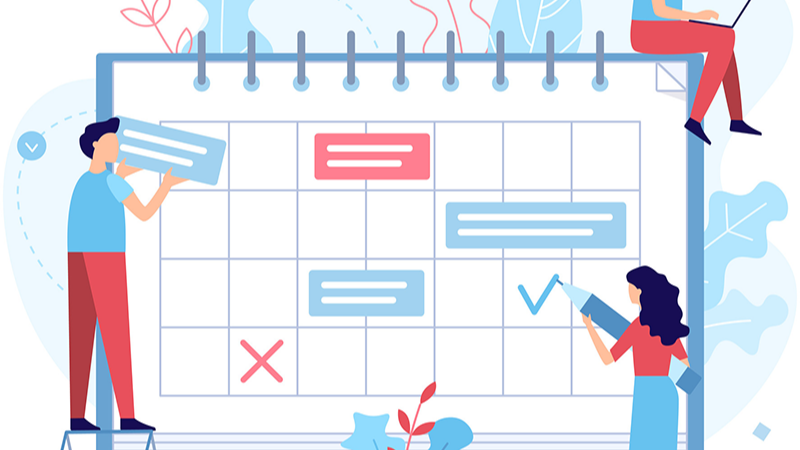
Planning the Perfect RV Trip
A great RV trip starts long before you turn the key. A little planning can help you spend less time worrying about logistics and more time enjoying the journey. Whether you’re setting out for a weekend getaway or a longer road trip, these steps can help you prepare for an adventure that feels comfortable, flexible, and fun.
Choose a Destination and Set a Flexible Route
Start by deciding what kind of trip you want. You might be drawn to national parks, coastal roads, quiet campgrounds, or visits with friends and family. Pick a main destination, then sketch out a route with a few possible stops along the way.
Keep your schedule realistic. Driving an RV can take more time than driving a car, especially when you include fuel stops, meals, and breaks. Instead of packing every day with activities, leave room for unexpected discoveries and changes in plans.
Research Campgrounds in Advance
Look into campgrounds and RV parks along your route before you leave. Check availability, reservation rules, site sizes, amenities, and arrival times. If you’re traveling during a busy season or visiting a popular area, booking ahead can help you secure a place to stay.
It’s also helpful to note a backup option in case your plans change. Keep campground addresses and contact information easy to access, and confirm any requirements that could affect your stay.
Plan for Your RV’s Needs
Before choosing a route, consider the size and features of your RV. Check for road restrictions, low clearances, steep grades, and narrow roads that may be challenging for a larger vehicle. Mapping tools designed for RV travel can help, but it’s wise to verify important details with official sources.
Make a basic maintenance and safety check part of your planning. Review tires, lights, fluid levels, and other key items, and make sure you understand how the RV’s essential systems work. If you’re renting, ask for a walkthrough and clarification on anything that’s unfamiliar.
Create a Packing List
Pack for the activities you have in mind, while keeping storage space and weight in mind. Useful categories include clothing, food, cooking supplies, bedding, toiletries, first-aid items, and outdoor gear. Don’t forget chargers, important documents, and any medications you need.
A checklist can make packing easier and help prevent last-minute trips to the store. For your first trip, consider bringing familiar essentials from home and adding specialized gear as you learn what works best for you.
Plan Meals and Fuel Stops
Think about how you’ll handle meals on the road. You can prepare a few simple meals in advance, shop near your destination, or plan a mix of campground cooking and local restaurants. Easy-to-store snacks and water can also make travel days more comfortable.
Fuel stops deserve attention, too. Look for stations that can accommodate your vehicle, and avoid waiting until the tank is nearly empty—especially in remote areas. Leave extra time for stops and unexpected delays.
Prepare for Changing Conditions
Weather, traffic, and campground availability can all affect your itinerary. Check forecasts before departure and during your trip, and be ready to adjust your plans. Keep a few indoor activities or alternate stops in mind in case the weather doesn’t cooperate.
Share your general route with someone you trust, and keep important information—such as reservations, roadside assistance details, and emergency contacts—readily available.
Leave Room for the Experience
Planning helps your trip run smoothly, but the best moments may not be on the itinerary. A scenic overlook, a small-town stop, or an extra night at a favorite campground can become a highlight. Build flexibility into your plans so you can enjoy those moments without feeling rushed.
With a thoughtful route, a practical checklist, and room to adapt, you’ll be ready to make the most of your RV adventure. Start with the essentials, take the journey one day at a time, and enjoy the freedom of traveling at your own pace.
Planning FAQs: Creating Effective Plans, Prioritizing Tasks, and Adapting to Change
- How do I create an effective plan?
- What should I consider when planning a trip?
- How far in advance should I start planning?
- How can I prioritize tasks and manage my time?
- What should I do if my plans change?
How do I create an effective plan?
To create an effective plan, start by defining a clear goal and breaking it into manageable steps. Set realistic deadlines, identify the resources you’ll need, and account for possible challenges. Prioritize the most important tasks, track your progress, and adjust the plan when circumstances change. A good plan offers direction while staying flexible enough to adapt.
What should I consider when planning a trip?
When planning a trip, consider your destination, travel dates, budget, and how much time you’ll have for driving and activities. If you’re traveling by RV, check your route for vehicle restrictions, estimate fuel needs, and reserve campgrounds in advance—especially during busy seasons. Make a packing list, plan meals and stops, and check the weather before you leave. It’s also helpful to keep a flexible schedule and have backup options in case plans change.
How far in advance should I start planning?
It’s a good idea to start planning your RV trip 2–3 months in advance, especially if you’re traveling during summer, holidays, or another busy season. This gives you time to compare routes, reserve popular campgrounds, and prepare your RV and packing list. For quieter destinations or shorter trips, a few weeks may be enough—but booking early gives you more options and greater peace of mind.
How can I prioritize tasks and manage my time?
To prioritize tasks and manage your time, start by listing everything you need to do and identifying what is most important, urgent, or tied to a deadline. Break larger tasks into smaller steps, estimate how long each will take, and schedule focused work periods with short breaks. Tackle high-priority items first, limit distractions, and leave some flexibility for unexpected changes. Review your list regularly and adjust your plan as needed.
What should I do if my plans change?
If your plans change, stay flexible and update your route, campground reservations, and travel companions as soon as possible. Check cancellation or change policies before adjusting a booking, and look for alternative places to stay if your new route affects overnight plans. Keep an eye on weather, road conditions, and RV access along the way, and allow extra time for unexpected stops. A flexible itinerary—and a backup option or two—can make changes easier to manage.
Related Posts
Experience Unmatched Luxury with the Grech RV Strada Ion
The Grech RV Strada Ion: Redefining Luxury Travel on the…

Exploring the Versatility of Small RV Campers: Your Ticket to Adventure
Exploring the Charm of Small RV Campers Exploring the Charm…

Discover Affordable RV Rental Prices Near Me for Your Next Adventure
RV Rental Prices Near Me Exploring RV Rental Prices Near…