
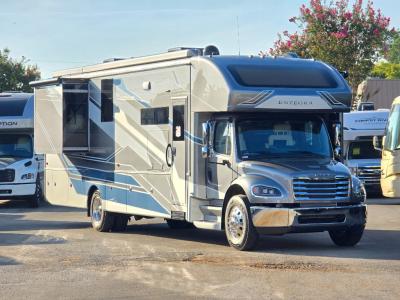
Motor Homes: A Comfortable Way to Explore
A motor home combines transportation and living space in one vehicle, making it a popular choice for road trips, camping, and extended travel. Instead of packing and unpacking at every stop, travelers can bring many of the comforts of home along for the ride. With options ranging from compact models to spacious, fully equipped vehicles, there is a motor home for many styles of travel.
What Is a Motor Home?
A motor home is a recreational vehicle (RV) that has its own engine and can be driven without a separate tow vehicle. Most models include some combination of sleeping areas, seating, storage, a kitchen, and a bathroom. Features vary by size and design, so it helps to consider how and where you plan to travel before choosing one.
Common Types of Motor Homes
- Class A: Typically the largest motor homes, Class A models often provide generous living space and storage. Their size can make them more challenging to drive and park, especially for first-time RV travelers.
- Class B: Often called camper vans, Class B motor homes are built on van chassis. Their smaller size can make them easier to maneuver, though they generally offer less interior space.
- Class C: Recognizable by the cab-over area above the driver’s cab, Class C motor homes come in a range of sizes. They can offer a balance of living space and drivability.
Benefits of Traveling by Motor Home
One of the biggest advantages of a motor home is flexibility. Travelers can choose their route, change plans along the way, and stay close to the places they want to explore. A motor home also provides familiar amenities on the road, such as a place to sleep, prepare meals, and store personal belongings.
For families and groups, having a shared space can make travel more convenient. For solo travelers and couples, a smaller motor home can offer a practical base for exploring. In either case, the experience can make the journey itself part of the adventure.
Choosing the Right Motor Home
Before selecting a motor home, think about the number of people traveling, the amount of living space you need, and the kind of trips you expect to take. Consider whether you will spend most of your time at campgrounds, travel through cities, or visit remote destinations. The vehicle’s size, storage, sleeping arrangements, and onboard facilities can all affect how comfortable it is for your plans.
It is also important to review the vehicle’s fuel needs, maintenance requirements, insurance, and operating costs. Check the driver’s license rules that apply in your area, and make sure you are comfortable handling the vehicle’s height, length, and turning radius.
Tips for a Successful Motor Home Trip
- Plan a flexible route and confirm campground or overnight parking rules before you arrive.
- Practice driving, parking, and backing up in a safe open area before a longer trip.
- Check tires, lights, fluid levels, and other key systems before departure.
- Secure belongings and distribute weight appropriately while traveling.
- Learn how the water, electrical, and waste systems work before using them.
- Pack for the weather and bring only what you need to keep the living area organized.
Make the Most of the Journey
A motor home can turn a road trip into a more comfortable and independent travel experience. The right vehicle depends on your budget, travel style, and practical needs. With a little preparation and respect for road and campground rules, motor home travel can open the door to scenic routes, memorable stops, and the freedom to explore at your own pace.
5 Essential Motorhome Safety Tips for Every Trip
- Check tire pressure before every trip.
- Secure loose items before driving.
- Know your motorhome’s height and weight.
- Use leveling blocks when parked.
- Inspect hookups for leaks and damage.
Check tire pressure before every trip.
Check your motor home’s tire pressure before every trip, including when the tires look properly inflated. Use a reliable gauge and follow the pressure listed by the manufacturer for your vehicle and load—not just the maximum pressure printed on the tire sidewall. Properly inflated tires help support safe handling, improve fuel efficiency, and reduce the risk of tire damage or a blowout. Check pressure when the tires are cold, and inspect them for cracks, bulges, or uneven wear before setting out.
Secure loose items before driving.
Before driving your motor home, secure loose items throughout the cabin. Put away dishes, appliances, toiletries, and other belongings, and use cabinets, drawers, or storage bins to keep them in place. Items left unsecured can shift or fall during turns and sudden stops, causing damage or injury. A quick check before you set off can help keep everyone safe and make cleanup easier when you arrive.
Know your motorhome’s height and weight.
Know your motorhome’s height and weight before setting out, and keep those measurements handy in the cab. Low bridges, tunnels, tree branches, and parking structures can pose serious hazards, while weight limits may apply on roads, bridges, and campground access routes. Check posted restrictions along your route, allow extra clearance, and never assume a road is safe just because a smaller vehicle can pass.
Use leveling blocks when parked.
Use leveling blocks when parked to help keep your motor home steady and level, especially on uneven campsites. A level vehicle can make sleeping and cooking more comfortable and help appliances operate as intended. Position the blocks on firm, stable ground, then carefully drive or place the appropriate wheels onto them. Set the parking brake, follow your motor home’s leveling instructions, and use wheel chocks when needed to help prevent movement.
Inspect hookups for leaks and damage.
Before connecting your motor home to water, power, or sewer hookups, inspect the connections and surrounding equipment for cracks, corrosion, loose fittings, or other signs of damage. Check water hoses and sewer connections for leaks, and make sure electrical cords and outlets are in good condition and suitable for your RV. If anything looks worn or unsafe, don’t use the hookup until it has been repaired or replaced. A quick inspection can help prevent water damage, electrical problems, and unpleasant surprises during your stay.
Related Posts

Exploring the Best Atwood RV Parts for Your Mobile Home on Wheels
Exploring the World of Atwood RV Parts Exploring the World…

Maximize Your Motorhome Experience with a Porch Awning
The Benefits of Installing a Porch Awning for Your Motorhome…

Exploring the Wonders of Outdoor Camping: Embrace Nature’s Beauty Under the Stars
The Thrill of Outdoor Camping There's something magical about spending…