
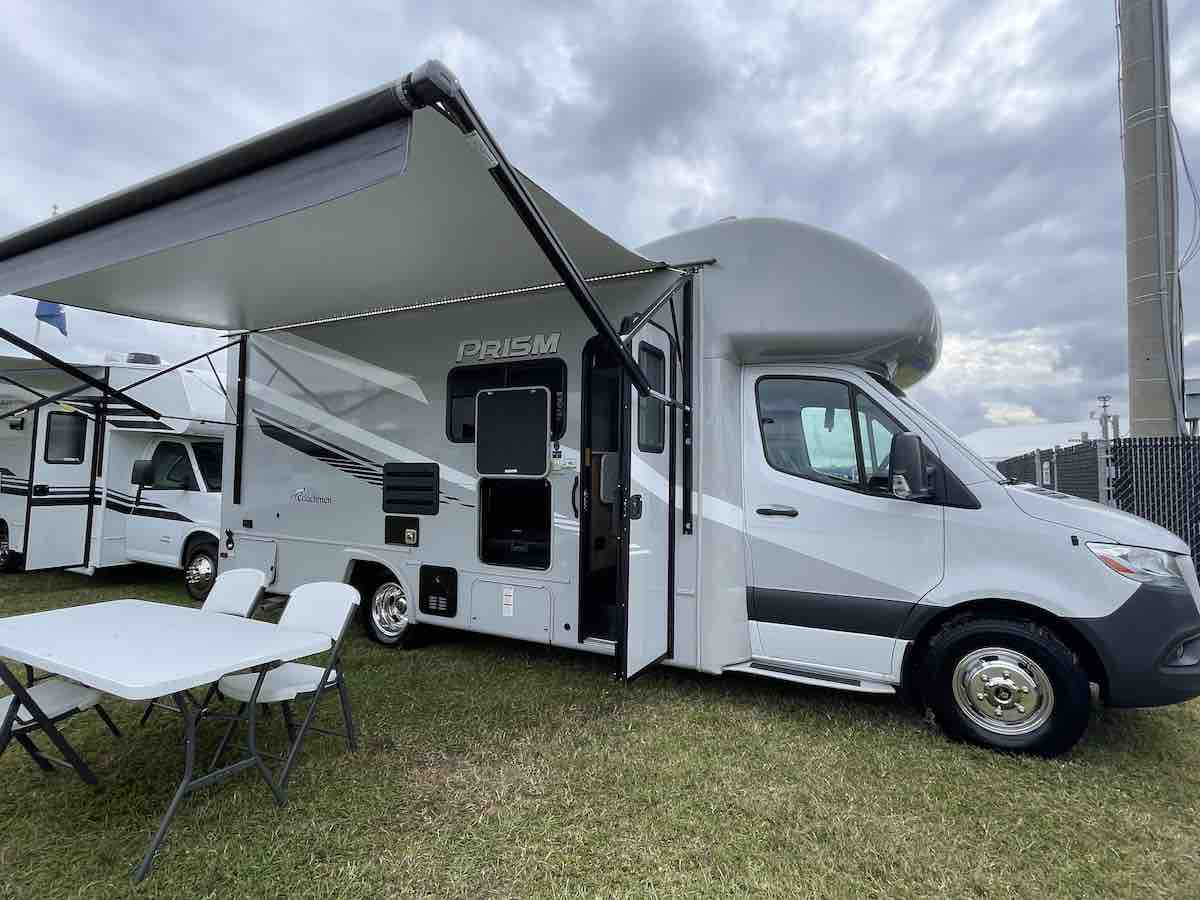
RV Campers: A Guide to Choosing the Right One
RV campers make it possible to bring many of the comforts of home along for the journey. From weekend trips to long-distance road travel, the right recreational vehicle can give you a flexible way to explore new places, spend time outdoors, and travel on your own schedule.
RV campers come in a variety of sizes and layouts. Some are compact and easy to tow, while others offer roomy living areas, kitchens, bathrooms, and sleeping space for several people. Understanding the main types—and how you plan to travel—can help you find a camper that fits your needs.
Common Types of RV Campers
Travel Trailers
Travel trailers are towable RVs available in many lengths and floor plans. They connect to a compatible tow vehicle and can be detached at a campsite, leaving the vehicle free for local errands or day trips. Before choosing one, check your vehicle’s towing capacity and the trailer’s loaded weight.
Fifth-Wheel Campers
Fifth-wheel campers attach to a special hitch mounted in the bed of a pickup truck. They often have multiple living areas and spacious interiors, making them a popular option for longer stays. They require a suitably equipped truck and can be challenging to maneuver in tight spaces.
Truck Campers
Truck campers fit into the bed of a pickup and are designed for travelers who value a compact setup. They can be useful for reaching campsites where larger RVs may not fit. Truck and camper payload limits are important considerations before purchase.
Pop-Up Campers
Pop-up campers fold down for towing and expand when parked. They are generally lighter and easier to store than many hard-sided RVs. Their features and insulation vary, so consider the seasons and weather conditions in which you expect to camp.
Motorhomes
Motorhomes combine the vehicle and living space in one unit. They range from compact models to large coaches with extensive amenities. Since the living area stays attached to the vehicle, you do not need a separate tow vehicle, though driving and parking a larger motorhome may take practice.
What to Consider When Choosing an RV Camper
- How you’ll travel: Think about trip length, destinations, and whether you plan to stay in campgrounds, public lands, or a mix of locations.
- Sleeping capacity: Choose a floor plan that accommodates everyone comfortably, including guests if needed.
- Weight and towing: Match a towable camper to a properly rated vehicle. Check towing capacity, payload, hitch limits, and the camper’s loaded weight.
- Layout and storage: Consider kitchen space, bathroom access, seating, beds, and room for clothing and outdoor gear.
- Utilities: Look at fresh-water, gray-water, and black-water tank capacity, as well as electrical systems and heating or cooling equipment.
- Where you’ll park: Campsite size limits, road conditions, storage space at home, and access to service facilities can all affect which RV is practical.
- Budget: Include more than the purchase price. Insurance, registration, fuel, maintenance, storage, campground fees, and equipment can add to the overall cost.
New or Used RV Camper?
A new RV camper may offer current features, a manufacturer’s warranty, and the ability to select a preferred layout. A used camper may cost less, but its condition and service history deserve careful attention. Before buying any RV, inspect the roof, seals, appliances, plumbing, tires, brakes, and electrical systems. Look for signs of leaks or water damage, and consider arranging an inspection by a qualified RV technician.
Tips for First-Time RV Travelers
Before setting out, practice driving, turning, backing up, and parking in a safe, open area. Learn how to connect utilities, operate appliances, manage tanks, and secure items for travel. Make a checklist for departure and arrival, and confirm campsite dimensions and available hookups before booking. A short practice trip can help you identify anything you want to adjust before a longer adventure.
Keep Your RV Camper Road-Ready
Routine care can help keep an RV camper comfortable and dependable. Follow the manufacturer’s maintenance schedule, inspect tires and seals regularly, and check systems before and after trips. Protect the camper from weather when possible, and prepare plumbing and other components for storage conditions appropriate to your climate.
Start Planning Your Next Trip
The best RV camper is the one that suits your travel style, vehicle, passengers, and budget. Compare layouts, understand weight limits, and take time to inspect the features that matter most. With thoughtful preparation, an RV camper can make it easier to turn time away from home into memorable adventures.
8 Essential RV Camping Tips for a Safe and Smooth Trip
- Check tire pressure before every trip.
- Secure loose items before driving.
- Test smoke and carbon monoxide detectors.
- Level the RV before setting up.
- Use a checklist for hookups.
- Conserve water when boondocking.
- Keep a first-aid kit stocked.
- Plan routes around RV height and weight.
Check tire pressure before every trip.
Check the tire pressure on your RV camper before every trip, including the spare. Inflate tires to the pressure recommended by the manufacturer, and use a reliable gauge when the tires are cold for the most accurate reading. Properly inflated tires can help improve handling, reduce uneven wear, and lower the risk of tire failure on the road.
Secure loose items before driving.
Before driving your RV camper, secure loose items throughout the interior. Stow kitchenware, toiletries, electronics, and personal belongings in cabinets or storage bins, and latch doors and drawers. Put heavier items low and distribute weight evenly to help prevent shifting. This quick check can reduce damage, keep walkways clear, and make the trip safer and more comfortable.
Test smoke and carbon monoxide detectors.
Before each trip, test your RV camper’s smoke and carbon monoxide detectors to make sure they’re working properly. Replace weak batteries, check the expiration dates, and keep the detectors clear of dust or obstructions. These simple checks can help alert you to danger early, especially when sleeping or using appliances inside the RV.
Level the RV before setting up.
Level your RV before setting up camp to help keep the refrigerator, plumbing, and appliances working properly and make the interior more comfortable. Once parked, check the level side to side and front to back, then use leveling blocks or ramps as needed. Chock the wheels before unhitching or adjusting the setup, and use stabilizers only to steady the RV—not to lift or level it.
Use a checklist for hookups.
Use a checklist for RV hookups to make setting up at camp safer and less stressful. Confirm the site’s power, water, and sewer connections match your camper, then follow the proper order for connecting each utility. Check that hoses and cables are secure, avoid kinks or leaks, and use a potable-water hose for drinking water. Before leaving, use the same checklist to disconnect everything and stow it properly so nothing is left behind or damaged.
Conserve water when boondocking.
When boondocking, your water supply is limited, so small habits can make it last longer. Turn off the faucet while brushing your teeth or lathering dishes, take shorter showers, and use a basin for washing produce or cleanup. Keep drinking water separate from water used for rinsing, and check for leaks before heading out. Conserving water helps extend your stay and reduces the need to refill your tanks.
Keep a first-aid kit stocked.
Keep a well-stocked first-aid kit in your RV camper so you’re prepared for minor cuts, scrapes, burns, and other common mishaps on the road or at the campsite. Include essentials such as bandages, antiseptic wipes, gauze, medical tape, tweezers, disposable gloves, and any personal medications, and check expiration dates regularly. Store the kit in an easy-to-reach spot, and make sure everyone traveling with you knows where it is.
Plan routes around RV height and weight.
Plan your route around your RV camper’s height and weight to avoid low bridges, restricted roads, weight limits, and tight turns. Check posted clearances and road restrictions before you leave, and use an RV-friendly navigation app or route planner as a guide. Keep your RV’s exact height and weight handy, including rooftop equipment and cargo, and watch for signs along the way. A little planning can help you travel more safely and avoid costly detours or damage.
Related Posts

Exploring the Freedom of Class B Camper Van Adventures
The Allure of Class B Camper Vans The Allure of…
Enhance Your Outdoor Experience with Carefree Longitude Awning Parts
Carefree Longitude Awning Parts: Enhancing Your Outdoor Experience The Beauty…

Exploring the Luxurious World of RV Resorts: A Guide to Unforgettable Getaways
The Ultimate Guide to RV Resorts The Ultimate Guide to…