
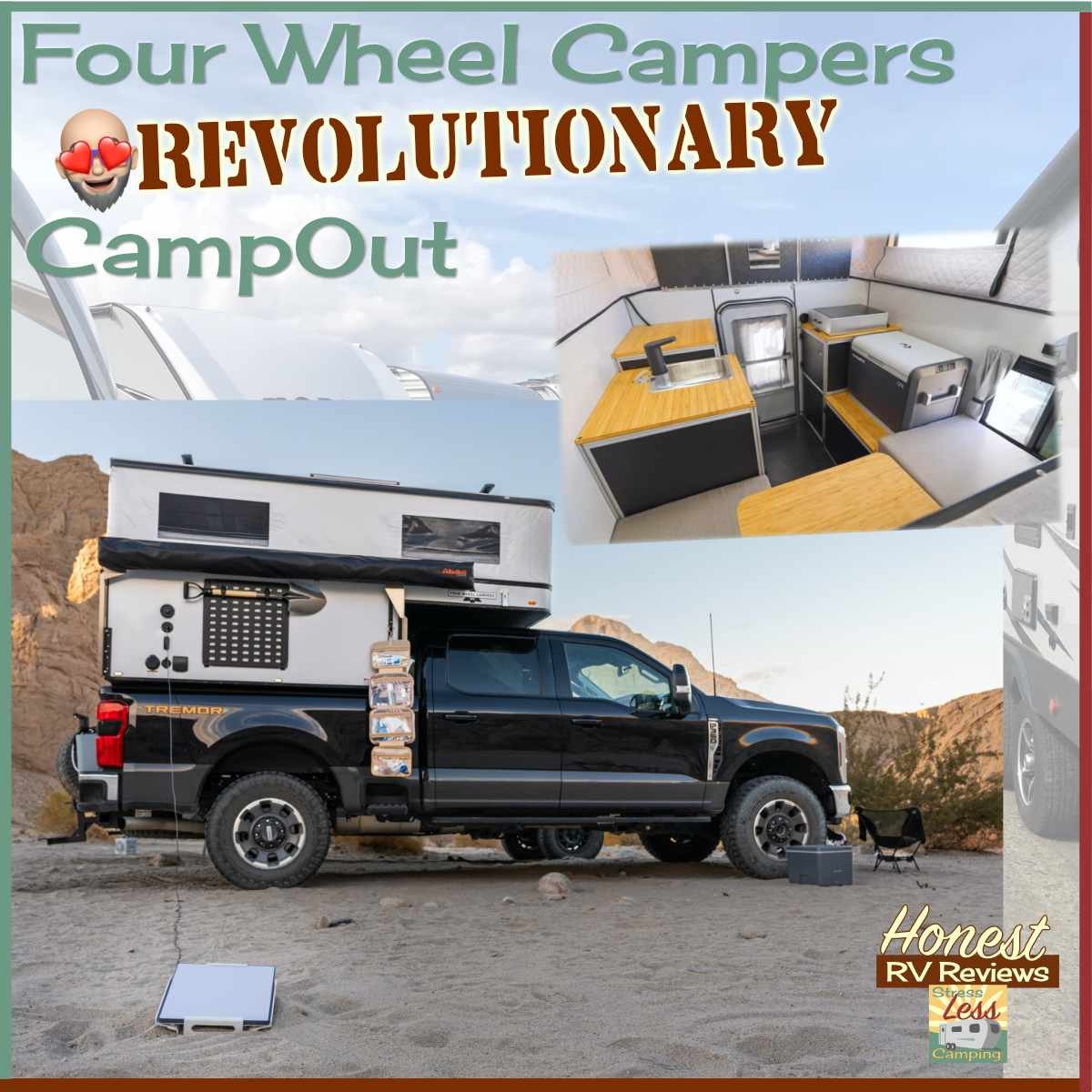
A Camper’s Guide to Getting Started
Camping offers a chance to slow down, spend time outdoors, and enjoy a change of scenery. Whether you’re planning a weekend at a nearby campground or a longer trip through the national parks, a little preparation can make the experience more comfortable and enjoyable.
Choose the Right Campsite
Start by choosing a destination that fits your plans and experience level. Some campgrounds offer restrooms, showers, picnic tables, and electrical hookups, while more remote sites may have few or no amenities. Check the campground’s rules, reservation requirements, weather conditions, and available facilities before you go.
Pack the Essentials
A camper’s packing list depends on the destination and type of trip, but a few basics are useful for most outings:
- A tent or RV, along with any necessary setup equipment
- Sleeping bags, pillows, and sleeping pads
- Weather-appropriate clothing and sturdy footwear
- Food, drinking water, and supplies for preparing meals
- Flashlights or headlamps with extra batteries
- A first-aid kit, sunscreen, and insect repellent
- Trash bags and reusable dishes
Check your gear before leaving home. Testing a tent, stove, or lantern in advance can help prevent surprises at the campsite.
Plan Simple, Satisfying Meals
Camping meals don’t have to be complicated. Choose foods that are easy to transport and prepare, and bring the cooking tools you’ll need. Store food securely, follow campground guidelines, and keep perishables at a safe temperature. A little meal planning can reduce waste and make mealtimes easier.
Respect the Outdoors
Responsible camping helps protect natural spaces and keeps them welcoming for everyone. Follow posted rules, use designated fire rings, and never leave a fire unattended. Pack out trash, keep a respectful distance from wildlife, and avoid damaging plants or other natural features. In many places, the best approach is to leave your campsite as you found it.
Make the Trip Your Own
Every camper has a different idea of a great trip. Some enjoy hiking and sightseeing, while others prefer reading by the campsite or watching the stars. Leave room in your schedule to relax, stay flexible when plans change, and take time to appreciate your surroundings.
With thoughtful preparation and respect for nature, camping can be a rewarding way to explore the outdoors. Start with a manageable trip, learn what works for you, and build your confidence one adventure at a time.
8 Benefits of Campers: Comfort, Freedom, and Adventure on the Open Road
- Comfortable travel on the open road
- A cozy place to sleep wherever you park
- Convenient storage for camping gear
- Flexible trips at your own pace
- Easy access to favorite outdoor spots
- A welcoming home base for adventures
- More time together with family or friends
- Memorable stays close to nature
Four Drawbacks of Owning and Traveling in a Camper
- Campers can be expensive to buy and maintain.
- Fuel costs can add up on long trips.
- Finding parking and campsites may be difficult.
- Bad weather can make camping uncomfortable.
Comfortable travel on the open road
Traveling in a camper makes the open road more comfortable by bringing many of the conveniences of home along for the ride. With a cozy place to rest, room to store your belongings, and easy access to snacks or meals, you can take breaks whenever you need and enjoy the journey at your own pace. Whether you’re heading to a nearby campground or exploring far from home, a camper helps make long drives feel more relaxed and convenient.
A cozy place to sleep wherever you park
One of the best things about a camper is having a cozy place to sleep wherever you park. Instead of packing up a tent or searching for a hotel, you can settle into your own familiar space after a day of exploring. With a comfortable bed and your essentials close by, overnight stops feel easier—and scenic spots, quiet campgrounds, and spontaneous detours can all become part of the adventure.
Convenient storage for camping gear
A camper makes it easy to keep camping gear organized and close at hand. With dedicated cabinets, compartments, and storage areas, you can stow items like cooking supplies, outdoor chairs, clothing, and tools without filling the passenger space. Having everything in its place saves time when setting up camp and makes it easier to enjoy the trip.
Flexible trips at your own pace
One of the best things about traveling in a camper is the freedom to explore at your own pace. You can linger at a favorite destination, take a scenic detour, or change your plans whenever you like—without needing to follow a strict schedule or rush to catch a flight. With your essentials close at hand, the journey can be just as enjoyable as the destination.
Easy access to favorite outdoor spots
A camper makes it easier to reach the outdoor places you love, from peaceful lakes and forest trails to scenic national parks and tucked-away campgrounds. With your home on wheels, you can stay close to your favorite activities, bring along the gear you need, and explore at your own pace—without having to return to a hotel at the end of the day.
A welcoming home base for adventures
A camper gives you a welcoming home base wherever your adventures take you. After a day of hiking, sightseeing, or exploring a new town, you can return to a familiar, comfortable space to relax, share a meal, and recharge for the next day. With your essentials close at hand, the journey feels less like packing up and moving on—and more like bringing a little piece of home along for the ride.
More time together with family or friends
A camper trip creates more opportunities to spend meaningful time with family or friends. From planning the route and preparing meals to exploring new places and relaxing around the campfire, the journey is filled with shared experiences. With fewer everyday distractions, everyone can reconnect, enjoy long conversations, and make memories together.
Memorable stays close to nature
A camper makes it easy to enjoy memorable stays close to nature, from waking up to birdsong to watching the sunset just steps from your door. With the freedom to explore scenic parks, quiet lakeshores, and mountain getaways at your own pace, every trip can bring you closer to the outdoors and create lasting memories along the way.
Campers can be expensive to buy and maintain.
One drawback of owning a camper is the cost. The purchase price can be substantial, and expenses don’t stop there: insurance, fuel, storage, repairs, and routine maintenance can add up over time. Before buying, consider your budget and compare the total cost of ownership with how often you expect to travel.
Fuel costs can add up on long trips.
One downside of traveling in a camper is that fuel costs can add up quickly, especially on long trips. Campers often use more gas than smaller vehicles, and expenses can rise further when routes include long distances, steep roads, or frequent stops. Planning an efficient route, driving at a steady speed, and budgeting for fuel can help keep costs under control.
Finding parking and campsites may be difficult.
Finding parking and campsites can be difficult, especially during peak travel seasons, holidays, and weekends. Popular campgrounds may book up months in advance, while larger campers can be challenging to fit into standard parking spaces or narrow sites. Planning ahead, checking site dimensions, and keeping backup options in mind can help, but travelers may still need to adjust their route or schedule to find a suitable place to stay.
Bad weather can make camping uncomfortable.
Bad weather can make camping uncomfortable, especially when rain, wind, or cold temperatures last for hours or days. Wet clothing and gear can be difficult to dry, muddy paths can make getting around harder, and strong winds may limit outdoor activities. Checking the forecast, packing weather-appropriate layers, and bringing reliable rain protection can help, but changing conditions may still affect the trip.
Related Posts

Embark on an Unforgettable Journey with US RV Rental Adventures
Exploring the Great Outdoors: US RV Rental Exploring the Great…

Discover the Ultimate Freedom with the Travato Camper Van
Exploring the Travato Camper Van Exploring the Travato Camper Van…

Exploring the Essential Pop-Up Trailer Parts for Your Outdoor Adventures
Exploring the World of Pop-Up Trailer Parts Exploring the World…