
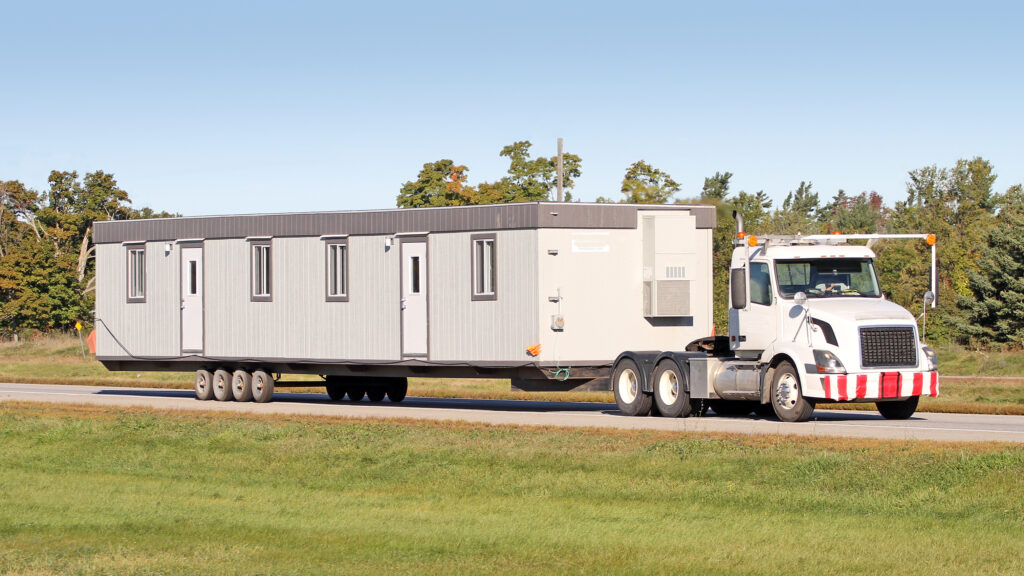
Mobile Homes: A Practical Guide to Comfortable, Flexible Living
A mobile home can offer an affordable and flexible alternative to a traditional site-built house. Today, the term often refers to a factory-built home designed for residential use. These homes can provide comfortable living spaces, modern features, and a range of floor plans to suit individuals, couples, and families.
What Is a Mobile Home?
In the United States, “mobile home” commonly describes a factory-built home constructed before June 15, 1976. Homes built to federal standards after that date are generally called manufactured homes. Manufactured homes are built in a controlled factory environment and transported to a site, where they may be placed on a permanent foundation or set up in a manufactured-home community, depending on local rules and the home’s design.
Benefits of Mobile and Manufactured Homes
- Potentially lower costs: Factory-built construction can make some homes more affordable than comparable site-built options. Total costs vary based on the home, land, delivery, installation, utilities, and local fees.
- Efficient construction: Building indoors can help protect materials from weather and support a more predictable construction schedule.
- Flexible layouts: Buyers can often choose from different floor plans, sizes, finishes, and features.
- Convenient living: Many homes include full kitchens, private bedrooms, bathrooms, and dedicated living areas.
Choosing the Right Home
Start by considering your household size, budget, preferred location, and long-term plans. Compare floor plans and look closely at usable living space, storage, insulation, appliances, and accessibility features. Ask what is included in the quoted price and what may cost extra, such as transportation, site preparation, foundation work, utility connections, permits, or landscaping.
It is also important to understand where the home will be located. You might place it on land you own, lease a lot in a community, or choose another arrangement permitted in your area. Before making a commitment, check local zoning requirements, community rules, financing options, insurance availability, and any restrictions on the home’s size or foundation.
Land, Setup, and Ongoing Costs
The purchase price is only one part of the overall cost. Preparing a site may involve grading, a driveway, drainage, a foundation, and connections for water, electricity, sewer, or septic service. Delivery and installation requirements vary by location and by the home’s size and design. Request a detailed written estimate and confirm who is responsible for each part of the process.
Ongoing expenses may include property taxes, lot rent, utilities, insurance, maintenance, and repairs. If you are financing the home, compare loan terms and understand whether the financing covers the home, the land, or both. A qualified local professional can help explain the requirements that apply to your situation.
Maintenance and Long-Term Comfort
Regular maintenance can help keep a mobile or manufactured home comfortable and in good condition. Inspect the roof, exterior, plumbing, heating and cooling systems, and areas around windows and doors. Keep water moving away from the home, follow the manufacturer’s care instructions, and address small repairs before they become larger problems. If the home is installed on a foundation or has specific anchoring requirements, follow the applicable inspection and maintenance guidance.
A Home That Fits Your Lifestyle
A mobile or manufactured home may be a good fit for people seeking practical, customizable housing. The best choice depends on more than the home itself: location, land or lot arrangements, installation, financing, and local regulations all matter. With careful research and a clear understanding of the full costs, you can make a well-informed decision about whether this style of home suits your needs.
Top 5 Advantages of Choosing a Mobile Home: Affordability, Flexibility, and Modern Comforts
- Often more affordable than site-built homes
- Quick factory-built construction
- Wide range of floor plans
- Flexible location options
- Comfortable, modern features
Understanding the Challenges of Mobile Home Ownership: 6 Key Cons to Consider
- May depreciate in value over time.
- Financing can be harder to secure.
- Land and lot rent add costs.
- Some areas restrict where they can be placed.
- Resale options may be limited.
- Repairs and transport can be costly.
Often more affordable than site-built homes
Mobile homes are often more affordable than site-built homes because they’re constructed in a factory, where standardized processes can help control building time and costs. A lower purchase price may make homeownership more accessible, though the total cost depends on factors such as land, delivery, installation, utility connections, permits, and ongoing expenses. Before choosing a home, compare the full costs—not just the listed price—to see how it fits your budget.
Quick factory-built construction
One major advantage of a mobile home is its quick factory-built construction. Because much of the home is assembled indoors in a controlled environment, work can continue with fewer weather-related delays than traditional on-site building. Once construction is complete, the home can be transported to its prepared location for installation, helping make the move-in process faster and more predictable.
Wide range of floor plans
One of the advantages of a mobile home is the wide range of floor plans available. Whether you need a compact layout for easy upkeep, an open living area for entertaining, extra bedrooms for family or guests, or accessible features for everyday comfort, there are designs to suit different needs and lifestyles. This variety makes it easier to choose a home that uses space efficiently and feels right for the way you live.
Flexible location options
One advantage of a mobile home is the flexibility it can offer when choosing where to live. Depending on local zoning rules and the home’s design, it may be placed on privately owned land or in a manufactured-home community, giving buyers more options to find a setting that fits their lifestyle and budget. This flexibility can make it easier to live closer to work, family, or favorite outdoor destinations.
Comfortable, modern features
Mobile homes can offer the comfort and modern features of a traditional house in a thoughtfully designed space. Depending on the model, you may find open-plan living areas, well-equipped kitchens, energy-efficient appliances, contemporary finishes, and convenient storage. With a range of layouts and options available, it’s possible to choose a home that feels welcoming and suits your everyday needs.
May depreciate in value over time.
One potential drawback of a mobile home is that it may depreciate in value over time, particularly if it is older, poorly maintained, or located on a leased lot rather than land you own. Unlike many traditional homes, which may gain value as the land and property appreciate, a mobile home can lose value as it ages. Depreciation varies based on the home’s condition, location, construction quality, and local market, so it’s wise to consider long-term resale prospects before buying.
Financing can be harder to secure.
Financing a mobile home can be harder to secure than financing a traditional house. Depending on the home’s age, location, foundation, and whether it includes the land, it may not qualify for a standard mortgage, leaving buyers with fewer loan options or different terms. Interest rates, down payment requirements, and eligibility rules can also vary, so it’s important to compare lenders and understand the full cost of financing before making a purchase.
Land and lot rent add costs.
Land and lot rent can add significantly to the cost of owning a mobile home. If you don’t own the land, you may need to pay monthly rent for the space, along with fees for utilities, maintenance, or community amenities. These expenses can change over time, so it’s important to review the lease terms and include ongoing lot costs in your budget before buying.
Some areas restrict where they can be placed.
One drawback of mobile homes is that local zoning laws and community rules may limit where they can be placed. Some areas restrict manufactured housing to designated neighborhoods or require specific permits, lot sizes, or foundation types. These rules can narrow your location options, so it’s important to check local requirements before buying a home or land.
Resale options may be limited.
Resale options for a mobile home may be limited compared with those for a traditional site-built house. The pool of interested buyers can depend on the home’s age, condition, location, financing availability, and whether it comes with land or sits on a leased lot. Local rules and community requirements may also affect where the home can be moved or sold, so it’s worth considering future resale plans before buying.
Repairs and transport can be costly.
Repairs and transportation can add significant costs to owning a mobile home. Moving a home may require specialized equipment, permits, route planning, and professional setup, while repairs to structural components, plumbing, or specialized systems can be expensive. Before buying or relocating a home, get detailed estimates and set aside a budget for maintenance and unexpected expenses.
Related Posts

Unlocking Adventure: Your Guide to RV Travel
The Ultimate Guide to RV Travel The Ultimate Guide to…

Essential RV Repair: Keeping Your Home on Wheels in Top Shape
The Importance of Regular RV Repair and Maintenance RVs are…

Exploring Boundless Adventures: The Allure of the RV Trailer Experience
The Allure of RV Trailers: Your Ticket to Mobile Adventure…