
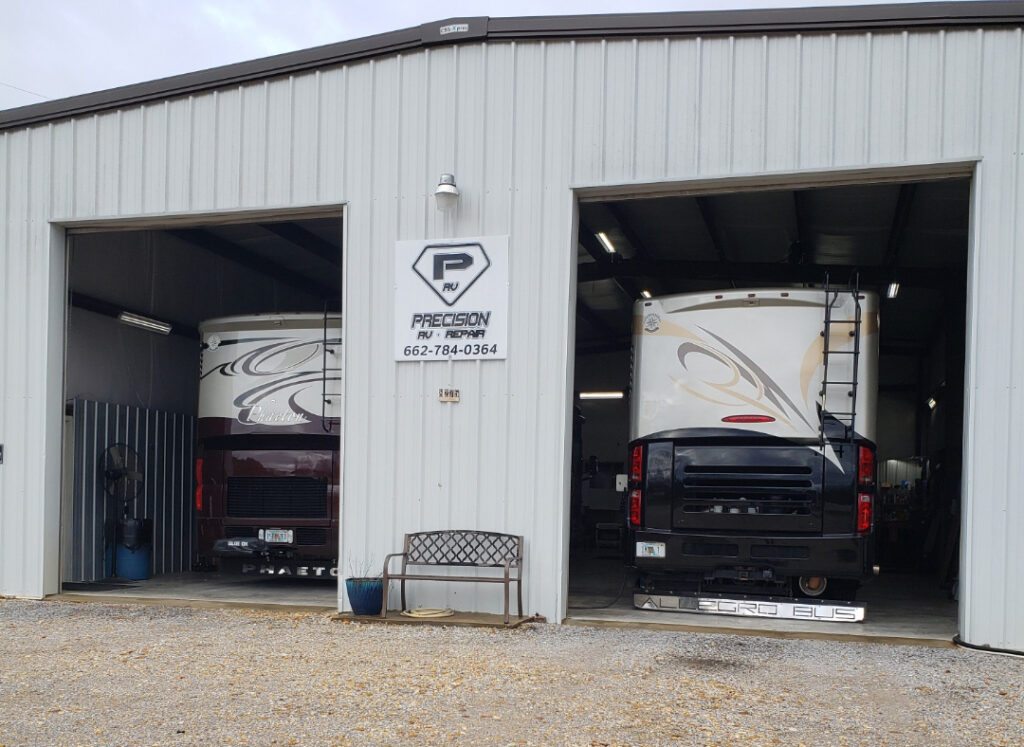
Recreational Vehicle Repair Near Me: How to Find the Right RV Service Shop
When an RV needs attention, finding dependable recreational vehicle repair near me can help you get back on the road with confidence. From routine maintenance to unexpected breakdowns, the right repair shop can diagnose problems, explain your options, and help protect your vehicle for future trips.
Because RVs combine vehicle systems with household components, repairs may involve more than a standard auto shop can handle. Use the tips below to find qualified local service and prepare for your appointment.
What RV Repair Shops Can Help With
RV repair needs vary by vehicle type, age, and use. Depending on the shop’s services and technician qualifications, common work may include:
- Engine and chassis service: Diagnostics, brakes, tires, suspension, steering, and routine maintenance for motorhomes.
- Roof and exterior repairs: Leak inspections, seal replacement, awning repairs, and damage to doors, windows, or exterior panels.
- Electrical systems: Troubleshooting batteries, wiring, lighting, converters, inverters, and generator connections.
- Plumbing: Repairs to fresh-water lines, faucets, water heaters, pumps, and waste systems.
- Heating and cooling: Service for furnaces, air conditioners, ventilation, and related controls.
- Appliances and interior components: Repairs to refrigerators, ranges, slide-outs, steps, and other installed equipment.
- Preventive maintenance: Inspections and servicing designed to catch wear or damage before it becomes a larger problem.
Not every facility works on every RV system. A shop may specialize in motorhome engines, while another focuses on trailers, bodywork, or living-area equipment. Confirm that the shop services your RV’s type, make, and specific issue before booking.
How to Find Recreational Vehicle Repair Near You
Start by searching online for RV repair shops in your area. Search results can help identify nearby options, but a little extra research can make it easier to choose a shop that fits your needs.
- Check the shop’s specialties. Look for experience with your type of RV, such as a motorhome, fifth wheel, travel trailer, or camper van.
- Read recent customer feedback. Reviews may offer insight into communication, scheduling, workmanship, and how the shop handles delays or unexpected repairs.
- Ask about technician experience. Find out whether the technicians regularly work on the system that needs attention and whether they hold relevant training or certifications.
- Confirm availability and location. Ask about appointment lead times, drop-off procedures, storage, and whether mobile service is available for your type of repair.
- Request an estimate process. A reputable shop should explain how it diagnoses problems, when it will seek approval for additional work, and what the estimate includes.
Questions to Ask Before Scheduling
A short phone call can help clarify whether a repair shop is a good fit. Consider asking:
- Do you service my RV’s make, model, and vehicle type?
- Do you handle this particular repair, or should I contact a specialist?
- How soon can the RV be inspected?
- Is there a diagnostic or inspection fee?
- Will I receive an estimate before additional work begins?
- Are parts included in the estimate, and could they affect the repair timeline?
- Does the work or any replacement part include a warranty?
Written estimates and clear communication can help prevent misunderstandings. Ask the shop to explain any recommended work you do not understand, and keep copies of estimates, invoices, and service records.
What Affects RV Repair Costs?
The cost of RV repair depends on the problem, the vehicle, and the parts and labor involved. A simple adjustment may take far less time than locating a hidden water leak or diagnosing an intermittent electrical issue. Other factors can include:
- The RV’s age, design, and accessibility of the damaged component
- Whether the repair involves the chassis, living area, or both
- The cost and availability of parts
- Diagnostic time and the complexity of the problem
- Whether the RV can be driven or must be towed to the shop
For a more useful estimate, describe the symptoms clearly and provide the RV’s year, make, and model. Photos or videos may help the shop understand visible damage, though an in-person inspection may still be necessary.
How to Prepare Your RV for a Repair Appointment
Before dropping off your RV, write down when the issue started, what conditions cause it, and any warning lights or unusual sounds. Include details such as recent repairs, water exposure, or changes in performance. Clear access to the affected area when possible, and remove valuables or personal items you do not need to leave behind.
If the repair involves water, propane, electrical, or safety systems, follow the manufacturer’s guidance and avoid using equipment that may create additional damage or risk. When a problem makes the RV unsafe to drive, contact a towing service or ask the repair shop about roadside assistance options rather than driving it.
Choosing Between a Local Shop and Mobile RV Repair
A local repair facility may be a better option for complex diagnostics, major component work, or repairs that require specialized equipment. Mobile RV service can be convenient for certain issues, especially when the vehicle is parked at home or at a campground. Availability and the types of repairs offered vary, so describe the problem and location before scheduling.
For mechanical or safety concerns, ask whether the technician can fully assess the issue on-site. Some repairs may require a shop visit even if mobile service is available for the initial inspection.
Frequently Asked Questions
Can a regular auto mechanic repair an RV?
An auto mechanic may be able to service certain motorhome chassis components, but RV living-area systems often require different experience and equipment. Ask whether the shop works on the specific part of the RV that needs repair.
How often should an RV be inspected?
Inspection intervals depend on the manufacturer’s recommendations, the RV’s age, and how often it is used. Regular checks of tires, brakes, roof seals, batteries, plumbing, and safety equipment can help identify problems early.
Should an RV roof leak be repaired right away?
Yes. Water can damage insulation, walls, flooring, and electrical components. If you notice a leak or signs of moisture, limit further water exposure and arrange an inspection promptly.
What information should be provided when requesting an estimate?
Share the RV’s year, make, model, and type, along with a clear description of the issue. Mention when it occurs, any warning indicators, and whether the RV is drivable. This information helps the shop determine the next steps.
Get Ready for the Next Trip
Finding the right recreational vehicle repair near you starts with matching your RV and repair needs to a qualified local shop. Check the shop’s experience, ask about estimates and scheduling, and provide clear details about the problem. Taking time to choose carefully can make the repair process more straightforward and help you prepare for the road ahead.
6 Tips for Finding Reliable RV Repair Near You
- Search “RV repair near me” to compare nearby shops.
- Check reviews for similar RV repairs.
- Ask whether the shop services your RV type.
- Get a written estimate before approving work.
- Confirm parts, labor, and warranty details.
- Ask about mobile repair if your RV can’t be moved.
Search “RV repair near me” to compare nearby shops.
Search “RV repair near me” to find and compare nearby shops. Review their services, customer feedback, specialties, and appointment availability to see which ones work on your type of RV and repair. Before booking, contact the shop to confirm it can handle the issue and ask about diagnostic fees and estimates.
Check reviews for similar RV repairs.
Check reviews for similar RV repairs to get a better sense of a shop’s experience with your specific issue. Feedback from RV owners who needed work on the same system—such as a roof leak, electrical problem, or slide-out repair—can reveal how well the shop communicates, handles unexpected costs, and completes the job. Look for detailed, recent reviews rather than relying on star ratings alone, and remember that one person’s experience may not reflect every repair.
Ask whether the shop services your RV type.
Before booking an appointment, ask whether the shop services your specific type of RV, such as a motorhome, travel trailer, fifth wheel, or camper van. RVs can have very different mechanical and living-area systems, so a shop experienced with your vehicle is more likely to diagnose the problem efficiently and recommend appropriate repairs. Be ready to share your RV’s make, model, and year, and describe the issue so the shop can confirm it’s equipped to help.
Get a written estimate before approving work.
Before approving any repairs, ask the shop for a written estimate that lists the expected labor, parts, diagnostic fees, and any additional charges. Review the details and ask about anything that is unclear, including how the shop will handle unexpected problems or costs. A written estimate helps set expectations and gives you a clear record of the work you authorized.
Confirm parts, labor, and warranty details.
Before approving an RV repair, ask for a clear written estimate that separates parts and labor, notes any diagnostic or shop fees, and explains whether additional work requires your approval. Confirm whether replacement parts are new, refurbished, or aftermarket, and ask about availability if a delay is possible. Also review the warranty terms for both parts and labor, including how long coverage lasts and what it excludes, so you know what to expect if the repair needs attention again.
Ask about mobile repair if your RV can’t be moved.
If your RV can’t be moved safely, ask local repair shops whether they offer mobile service. A qualified mobile RV technician may be able to diagnose and repair certain problems at your home, storage facility, or campground, saving you the trouble and expense of arranging a tow. When you call, describe the issue, share your RV’s make and model, and confirm that the technician can handle the repair on-site—some jobs still require specialized shop equipment.
Related Posts
Maximizing Comfort: The Benefits of Camco Roof Vent Cover
Exploring the Benefits of the Camco Roof Vent Cover Exploring…

Finding Home: A Journey of Belonging and Comfort
The Essence of Home The Essence of Home Home is…

Unlock Your Adventure: RV Travel Trailer Rental Guide
The Ultimate Guide to RV Travel Trailer Rental The Ultimate…