
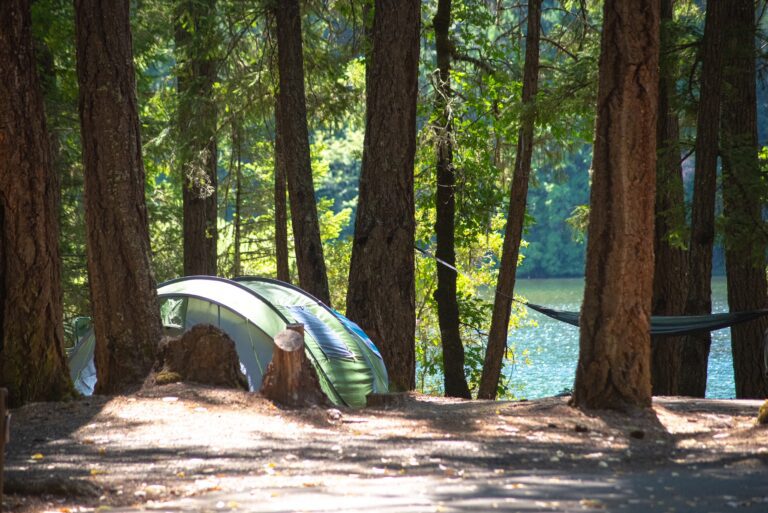
Outdoor Adventure: Find Your Next Great Escape
Outdoor adventure offers a refreshing change of pace from everyday routines. Whether you’re hiking a forest trail, paddling across a quiet lake, biking through rolling hills, or camping beneath the stars, time outside can bring a sense of discovery, challenge, and calm. The best part is that an adventure doesn’t have to be far away or complicated. With a little planning, a nearby park or campground can become the setting for a memorable getaway.
Choose an Adventure That Fits You
There’s no single way to enjoy the outdoors. For some, adventure means tackling a steep mountain trail. For others, it’s a leisurely walk through a nature preserve or a peaceful afternoon fishing by the water. Consider your interests, fitness level, available time, and the needs of everyone joining you. Choosing an activity that feels exciting but manageable can help make the experience enjoyable from start to finish.
- Hiking: Explore scenic trails, from easy nature walks to challenging climbs.
- Camping: Spend a night outdoors and enjoy the simple pleasures of a campfire, fresh air, and a starry sky.
- Water activities: Try kayaking, canoeing, paddleboarding, or swimming where permitted.
- Biking: Ride on paved paths, forest roads, or designated mountain-bike trails.
- Wildlife watching: Bring binoculars and observe animals from a respectful distance.
Plan Ahead for a Safer Trip
A little preparation can make a big difference outdoors. Check the forecast before leaving, review trail or site conditions, and learn about any permits or reservations you may need. Tell someone where you’re going and when you expect to return, especially if you’ll be traveling in a remote area.
Pack for the activity and conditions. Water, snacks, a map, a charged phone, sun protection, and a basic first-aid kit are useful on many outings. For longer trips, bring extra layers and a reliable way to navigate if cell service is unavailable. If you’re new to an activity, consider going with an experienced companion or choosing a beginner-friendly route.
Respect the Places You Explore
Outdoor spaces are home to wildlife and shared by many visitors. Help keep them healthy by following posted rules, staying on marked trails, and packing out everything you bring in. Avoid disturbing animals, plants, and historic sites, and keep noise to a considerate level. If you build a campfire, use designated fire rings and follow local fire restrictions. When conditions are dry or windy, a campfire may not be allowed or safe.
These small choices help protect natural areas and make them more welcoming for the next visitor. A useful guideline is to leave a place as you found it—or even a little cleaner.
Make Room for Discovery
Outdoor adventures don’t need a strict schedule. Leave time to pause, take in the view, notice changing weather, or follow a path you hadn’t planned to explore. Some of the most memorable moments happen between the big milestones: a quiet sunrise, a shared snack on the trail, or the sound of birds in the trees.
Start with an outing that feels right for you, prepare thoughtfully, and stay open to the experience. From a short afternoon walk to a multi-day camping trip, the outdoors offers countless ways to recharge, learn something new, and create lasting memories.
7 Essential Tips for a Safe and Enjoyable Outdoor Adventure
- Check the weather before heading out.
- Tell someone your route and return time.
- Bring plenty of water and snacks.
- Wear sturdy shoes and layers.
- Pack a map and a charged phone.
- Stay on marked trails.
- Leave nature as you found it.
Check the weather before heading out.
Before heading out on an outdoor adventure, check the local forecast and be prepared for changing conditions. Temperature, wind, rain, and storms can affect your route, comfort, and safety, so dress in layers and bring suitable gear. If severe weather is expected, adjust your plans or choose another day.
Tell someone your route and return time.
Before heading out, tell a trusted person where you’re going, the route you plan to take, and when you expect to return. If your plans change or you’ll be late, update them when possible. Sharing these details helps someone know when and where to seek help if you don’t check in as planned.
Bring plenty of water and snacks.
Bring plenty of water and snacks to keep your energy up and stay hydrated throughout your outdoor adventure. Pack more than you think you’ll need, especially for longer outings, warm weather, or strenuous activities, and choose easy-to-carry options like trail mix, fruit, or granola bars. Take regular breaks to sip water and refuel so you can enjoy the journey safely and comfortably.
Wear sturdy shoes and layers.
Wear sturdy shoes and dress in layers to stay comfortable and prepared on your outdoor adventure. Supportive footwear with good traction can help you navigate uneven, muddy, or rocky ground, while layers let you adjust to changing temperatures, wind, and activity levels. Check the forecast before you go, and bring an extra layer in case conditions shift.
Pack a map and a charged phone.
Pack a map and a fully charged phone before heading outdoors. A paper map can help you navigate if your phone loses signal or battery, while your phone can provide GPS, weather updates, and a way to contact help when service is available. For longer outings, bring a portable charger and let someone know your route and expected return time.
Stay on marked trails.
Stay on marked trails to protect fragile plants, prevent erosion, and avoid disturbing wildlife. Marked routes are also easier to navigate and can help keep you away from unsafe terrain or private property. If you’re unsure which way to go, pause and check your map rather than taking a shortcut.
Leave nature as you found it.
Leave nature as you found it by treating every trail, campsite, and shoreline with care. Stay on marked paths, avoid disturbing plants and wildlife, and pack out all trash—including food scraps. Follow local rules for fires and camping, and leave rocks, flowers, and other natural objects where they belong. Small, thoughtful choices help protect outdoor spaces so others can enjoy them, too.
Related Posts
Maximizing Efficiency: The Role of RV Refrigerator Vent Covers
The Importance of RV Refrigerator Vent Covers The Importance of…

Luxe RV Toy Hauler for Sale: Elevate Your Outdoor Adventures in Style
Luxe RV Toy Hauler for Sale The Ultimate Adventure: Luxe…
Enhance Your Trailer’s Ventilation with a Quality Vent Cover
Article: Trailer Vent Cover The Importance of a Trailer Vent…