
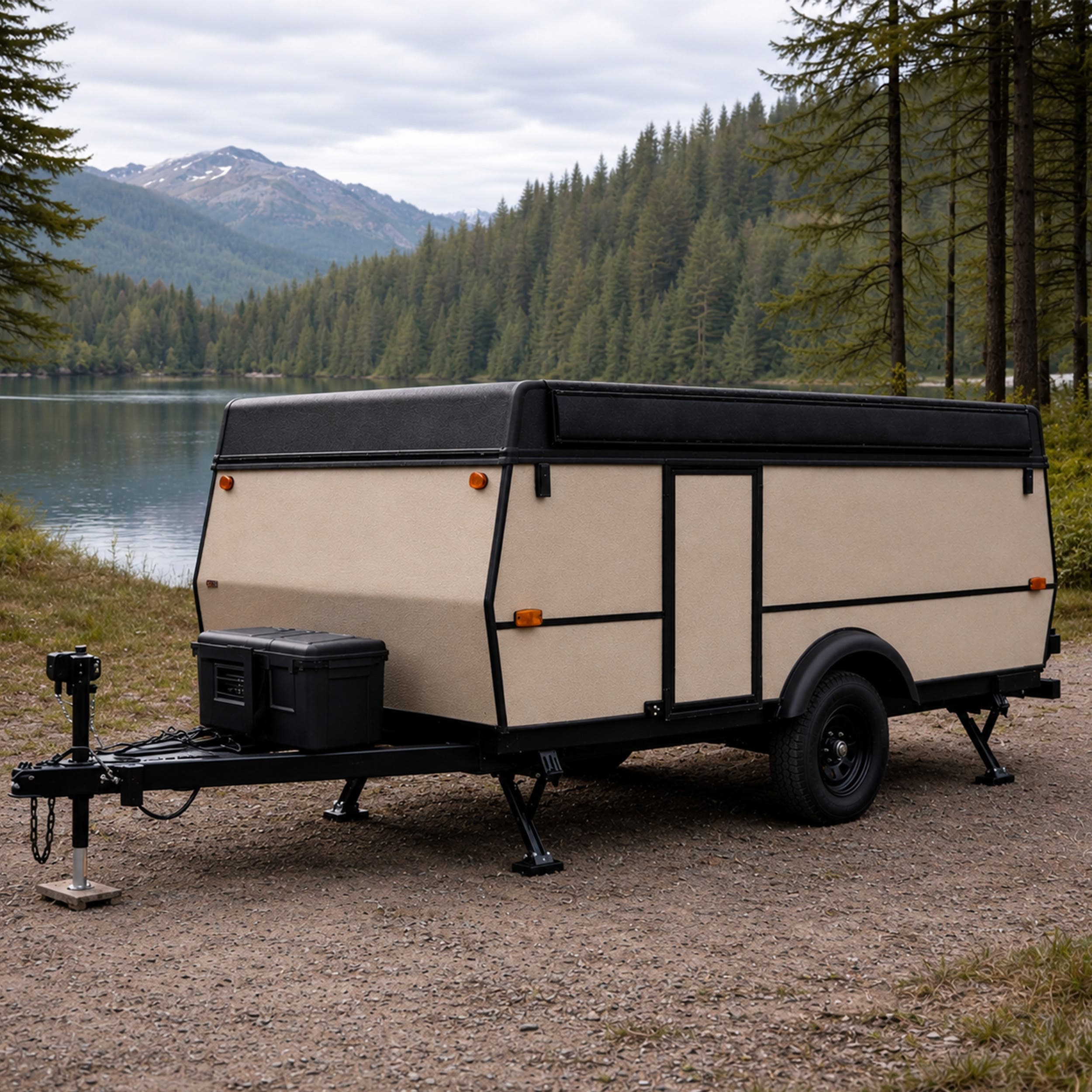
RV Pop-Up Campers: A Practical Guide for First-Time Buyers
An RV pop-up camper offers a middle ground between tent camping and traveling in a larger recreational vehicle. It folds down for towing and storage, then opens at camp to provide sleeping areas and living space. Lightweight and often more affordable than many hard-sided RVs, pop-up campers appeal to travelers who want a little more comfort without giving up the feel of camping outdoors.
What Is a Pop-Up Camper?
A pop-up camper, also called a folding camper or tent trailer, is a towable RV with a collapsible body. When closed, it has a low profile that can make towing and storage easier. At the campsite, the roof and sleeping sections lift or slide out, and fabric walls enclose much of the living area.
Layouts vary by model. Many include beds at either end, a dinette, basic storage, and a small galley. Some models may also offer features such as a sink, refrigerator, furnace, air conditioning, or a compact bathroom. Equipment differs, so check the specifications of each camper rather than assuming a particular feature is included.
Benefits of a Pop-Up Camper
- Lower towing weight: Many pop-up campers weigh less than comparable hard-sided travel trailers, though weights vary widely. Always check the camper’s specifications and your vehicle’s towing limits.
- Compact storage: The folded-down profile may fit in a garage or other space where a taller RV would not.
- More comfort than a tent: Beds, a raised floor, built-in storage, and optional appliances can make camping more convenient.
- Open-air feel: Fabric sides let in fresh air and help campers feel connected to their surroundings.
- Often a lower purchase price: Pop-up campers can be an accessible entry point into RV travel, although prices depend on age, condition, size, and features.
Things to Consider Before Buying
Pop-up campers are not the right fit for every trip or traveler. Their fabric walls provide less insulation and sound separation than hard-sided walls, so they may be less comfortable in extreme heat, cold, or heavy weather. Some models have limited bathroom facilities, and setup takes more time than simply parking a motorhome or hard-sided trailer.
It is also important to consider the towing vehicle. Review the camper’s loaded weight, tongue weight, and other towing requirements, then compare them with the vehicle manufacturer’s limits. Do not rely on a vehicle’s maximum tow rating alone; passengers, cargo, and installed equipment can affect how much it can safely tow. When in doubt, consult the vehicle and camper manufacturers or a qualified towing professional.
How to Choose the Right Pop-Up Camper
Start by thinking about how many people will travel with you and where you plan to camp. A couple taking occasional weekend trips may prefer a simpler, lighter model. A family may need additional sleeping space, storage, and a larger dinette. Consider these factors as you compare options:
- Sleeping capacity: Check the bed sizes and the camper’s recommended occupancy.
- Setup process: Ask for a demonstration and practice raising, lowering, and securing the camper before your first trip.
- Included features: Confirm which appliances, utilities, and accessories are included, and which are optional.
- Weight and towing needs: Compare the camper’s ratings with your vehicle’s towing and payload limits.
- Storage and cargo space: Make sure there is room for camping gear without exceeding weight limits.
- Condition: For a used camper, inspect the canvas, seams, roof, floor, lift system, tires, brakes, and appliances. Look for signs of leaks, water damage, mildew, or structural wear.
Setup and Care
Proper setup helps protect both the camper and the people using it. Choose a level site, follow the owner’s manual, and make sure the stabilizers and supports are used as directed. Keep the canvas clear of sharp objects, and avoid forcing the lift system if anything seems stuck or uneven.
Before packing a pop-up camper away, allow damp canvas to dry whenever possible. Storing it wet can lead to mildew and unpleasant odors. Regularly inspect seals, seams, lift components, tires, lights, and brakes. Follow the manufacturer’s maintenance schedule, and address leaks or damage promptly.
Is a Pop-Up Camper Right for You?
A pop-up camper can be a good choice for campers who want a compact, towable RV with basic comforts and a more open-air camping experience. It may be especially appealing for weekend trips, family outings, and travelers with limited storage space. If you need strong insulation, a fully enclosed bathroom, or quick setup in all kinds of weather, a hard-sided RV may be a better match.
Compare floor plans, equipment, weight ratings, and condition before making a decision. With the right model and careful maintenance, a pop-up camper can make it easier to enjoy road trips, campgrounds, and outdoor adventures.
5 Essential Pop-Up Camper Tips for a Safe, Comfortable Trip
- Practice setting up your pop-up camper before your trip.
- Check tire pressure and inspect the hitch before towing.
- Pack light to stay within your camper’s weight limit.
- Keep the canvas dry before folding it away.
- Use leveling blocks for a stable, comfortable campsite.
Practice setting up your pop-up camper before your trip.
Practice setting up your pop-up camper at home before your trip so you can learn how the lift system, supports, canvas, and accessories work without the pressure of arriving at a campsite. Follow the owner’s manual, take your time, and practice packing it away, too. A trial run can help you spot missing equipment or any issues that need attention, making setup smoother and more enjoyable when you’re ready to hit the road.
Check tire pressure and inspect the hitch before towing.
Before towing your RV pop-up camper, check that each tire is inflated to the pressure listed by the manufacturer, and look for cracks, bulges, or unusual wear. Then inspect the hitch connection to make sure it is properly secured and locked, with safety chains attached and trailer lights connected. These quick checks can help you spot problems before you get on the road and make for a safer trip.
Pack light to stay within your camper’s weight limit.
Pack light to help keep your RV pop-up camper within its weight limit and make towing safer. Check the camper’s labels and owner’s manual for its cargo capacity, then account for everything you add—including passengers, food, water, bedding, and camping gear. Choose multipurpose items, bring only what you’ll use, and distribute your load as directed by the manufacturer.
Keep the canvas dry before folding it away.
Before folding your RV pop-up camper away, make sure the canvas is completely dry whenever possible. Packing it up while damp can encourage mildew, cause musty odors, and eventually damage the fabric. If rain or morning dew catches you by surprise, open the camper again as soon as you can and let the canvas air-dry fully before storing it.
Use leveling blocks for a stable, comfortable campsite.
Use leveling blocks to create a stable, comfortable campsite for your pop-up camper. Park on the most level part of the site, then place blocks under the appropriate tires and adjust until the camper sits level from side to side. Always follow the owner’s manual, chock the wheels, and use the camper’s stabilizers as directed—stabilizers are not designed to level the trailer. A level setup can make sleeping and cooking more comfortable and help appliances work as intended.
Related Posts
Embracing the Essence of Home: A Celebration of Homes and Hearts
The Essence of Homes The Essence of Homes Home is…

Top Picks: Essential Camping Equipment for Your Outdoor Adventure
The Essential Camping Equipment for Your Outdoor Adventures The Essential…
Exploring the Convenience of Class B RVs with Onboard Bathrooms
Exploring the Convenience of Class B RVs with Bathrooms Exploring…