
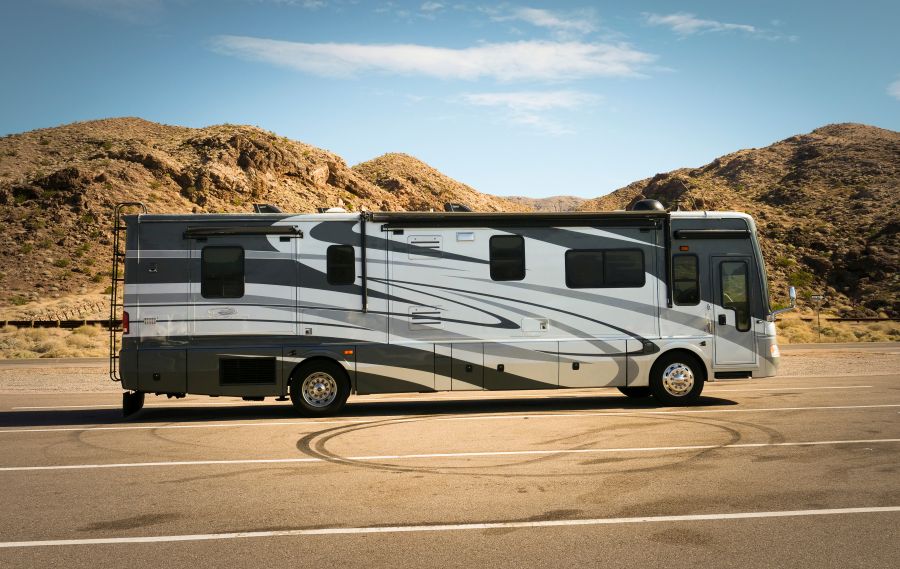
Class A RVs: A Guide to Big-Rig Road Travel
A Class A RV is the largest and most recognizable type of motorhome. Built on a heavy-duty vehicle chassis, it has a broad, bus-like profile and a spacious interior designed for travelers who want many of the comforts of home on the road. Class A motorhomes can suit full-time RV living, extended vacations, and family trips—but their size and operating costs make it important to choose carefully.
What Is a Class A RV?
Class A RVs are motorhomes with the driving cab and living area integrated into one vehicle. They typically have a flat or nearly vertical front, a large windshield, and a raised driving position. Depending on the model, a Class A may include a bedroom, bathroom, kitchen, dining area, and lounge. Slide-outs can expand the living space when the RV is parked.
Class A motorhomes are generally available with either gasoline or diesel engines. Gas models are often less expensive to buy, while diesel-powered models—sometimes called diesel pushers when the engine is mounted at the rear—may offer greater power and a quieter ride. Features and performance vary widely, so compare individual models rather than relying on broad assumptions.
Benefits of a Class A Motorhome
- Spacious living areas: The wide body and available slide-outs can create room for relaxing, cooking, and sleeping.
- Integrated design: The driver’s area connects directly to the living space, making the motorhome feel like one continuous interior.
- Storage capacity: Many models offer exterior compartments for camping gear, luggage, and supplies.
- Travel comforts: Depending on the floor plan and equipment, a Class A may include a full kitchen, bathroom, entertainment systems, and climate control.
- Convenience on long trips: Having essential amenities onboard can make extended travel more comfortable and flexible.
Things to Consider Before Buying
A Class A RV’s size is one of its biggest advantages—and one of its biggest challenges. A longer, heavier motorhome may require more planning on narrow roads, in tight parking areas, and at fuel stations. Some campgrounds have length limits, so check site requirements before booking. Drivers should also become familiar with the vehicle’s height, width, turning radius, and clearance before traveling.
Costs go beyond the purchase price. Budget for fuel, insurance, maintenance, tires, campground fees, and seasonal storage if needed. Because operating costs can vary with the vehicle’s weight, engine, route, and driving habits, review the manufacturer’s specifications and consider getting a professional inspection before purchasing a used RV.
It is also important to check the motorhome’s weight ratings. The vehicle’s occupants, water, food, clothing, and equipment all contribute to its load. Make sure the planned cargo stays within the manufacturer’s limits, and confirm that your driver’s license meets the requirements where you live and where you plan to travel.
How to Choose the Right Class A RV
Start by thinking about how you will use the motorhome. A couple taking occasional weekend trips may prioritize easy handling and a practical floor plan. A family or full-time traveler may need more sleeping space, storage, and room to spend time indoors during bad weather.
When comparing models, consider:
- Length and layout: Choose a size that balances interior space with the roads and campgrounds you expect to visit.
- Sleeping arrangements: Check that the beds suit everyone who will travel with you, not just the listed maximum capacity.
- Kitchen and bathroom features: Consider counter space, refrigerator size, shower layout, and water capacity.
- Driving comfort: If possible, take a test drive and pay attention to visibility, seat comfort, mirrors, and handling.
- Storage and weight: Make sure the available cargo capacity can accommodate your gear without exceeding vehicle ratings.
- Service and warranty support: Research maintenance needs, nearby service options, and coverage details.
Driving and Maintaining a Class A RV
Before setting out, practice driving in a safe, open area and learn how the motorhome responds when turning, braking, and backing up. A spotter can help when reversing, but agree on clear hand signals before moving. Plan routes with the RV’s height and weight in mind, and avoid relying on navigation directions intended only for passenger cars.
Routine maintenance is essential. Follow the manufacturer’s service schedule, check tires regularly, and inspect key systems such as brakes, batteries, plumbing, and roof seals. Before each trip, verify that exterior compartments are secure, slides and steps are retracted, and the vehicle is ready for travel.
Is a Class A RV Right for You?
A Class A motorhome may be a good fit if you value a roomy interior, want onboard amenities, and are comfortable planning around a larger vehicle. It may be less suitable if you prefer compact travel, frequently visit places with tight access, or want to minimize fuel and maintenance expenses.
The best choice depends on your travel style, budget, and comfort behind the wheel. Compare floor plans, inspect the vehicle carefully, and take a test drive before making a decision. With the right preparation, a Class A RV can be a comfortable base for road trips, campground stays, and new adventures.
Essential Tips for Safe and Smooth Class A RV Travels
- Check the RV’s height before driving under bridges.
- Practice turning in an empty parking lot.
- Use a spotter when backing up.
- Inspect tires before every trip.
- Plan fuel stops ahead of time.
- Secure loose items before driving.
- Check campground size limits before booking.
- Level the RV before using appliances.
Check the RV’s height before driving under bridges.
Before driving a Class A RV, check its total height—including rooftop air conditioners, antennas, and other accessories—and compare it with posted bridge and overpass clearances along your route. Leave extra room for uncertainty, watch for low-clearance signs, and use an RV-friendly navigation tool when planning your trip. A few minutes of preparation can help prevent serious damage and keep your journey safe.
Practice turning in an empty parking lot.
Practice turning your Class A RV in an empty parking lot before heading onto busy roads. The extra space lets you get used to the vehicle’s wide turning radius, judge how much room the rear needs to clear obstacles, and make gradual adjustments without traffic pressure. Use cones or parking lines as guides, and ask a spotter to help you check your surroundings.
Use a spotter when backing up.
Use a spotter when backing up your Class A RV, especially in crowded campgrounds, parking lots, or unfamiliar spaces. The motorhome’s size can create blind spots, making it difficult to see obstacles, vehicles, or people behind you. Agree on clear hand signals before you start, move slowly, and stop immediately if you lose sight of your spotter.
Inspect tires before every trip.
Inspect the tires on your Class A RV before every trip, including the spare if you have one. Check tire pressure when the tires are cold and inflate them to the vehicle or tire manufacturer’s recommended level—not the maximum pressure printed on the sidewall. Look for cracks, bulges, cuts, uneven wear, or embedded objects, and make sure the tires are within their service life. Properly maintained tires help support the RV’s weight, improve handling, and reduce the risk of a blowout on the road.
Plan fuel stops ahead of time.
Plan fuel stops ahead of time when traveling in a Class A RV. These motorhomes often have larger tanks and lower fuel efficiency than passenger vehicles, and some stations may be difficult to navigate with a large rig. Check your route for RV-friendly fuel stops, confirm there’s enough room to enter and exit, and refuel before the tank gets low—especially in remote areas. Planning ahead can help you avoid detours, reduce stress, and keep your trip moving smoothly.
Secure loose items before driving.
Before driving your Class A RV, secure loose items throughout the cabin. Stow dishes, cookware, electronics, and personal belongings in cabinets or storage bins, and latch drawers and doors. Even a small item can shift or fall during a turn or sudden stop, creating a distraction or causing damage. Take a quick walk-through before you set off to make sure everything is safely in place.
Check campground size limits before booking.
Before booking a campground, check its size limits and confirm that your Class A RV fits the site. Some parks restrict vehicle length, height, or slide-out clearance, and a site that looks spacious online may not accommodate a large motorhome. Share your RV’s exact dimensions with the campground and ask about access roads, turning space, and parking requirements to avoid surprises at check-in.
Level the RV before using appliances.
Before using appliances in your Class A RV, park on a stable surface and level the motorhome according to the manufacturer’s instructions. A level RV helps refrigerators and other appliances operate as intended, reduces strain on equipment, and makes cooking and daily tasks more comfortable. Use the built-in leveling system or leveling blocks as appropriate, and set the parking brake before making adjustments.
Related Posts

Explore the Ultimate Adventure with RV Trailer Rental
RV Trailer Rental: Your Ticket to Adventure on Wheels RV…

Explore a Wide Selection of RV Parts for Sale: Upgrade Your Vehicle Today!
RV Parts for Sale The Ultimate Guide to RV Parts…

Enhance Your RV’s Look and Protection with Travel Trailer Fender Skirts
The Importance of Travel Trailer Fender Skirts The Importance of…