
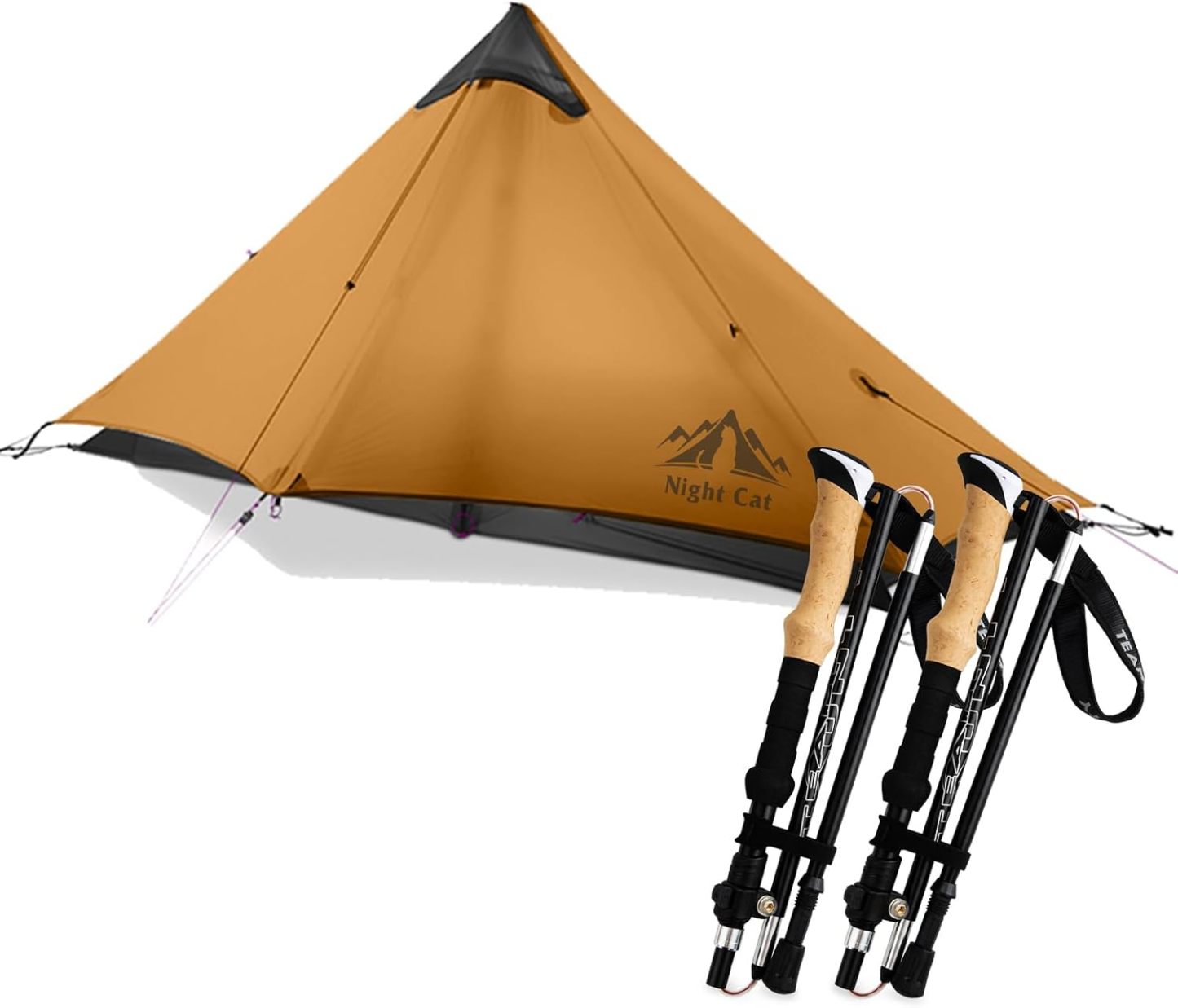
How to Choose the Right Trekking Tent
A trekking tent is more than a place to sleep—it’s your shelter from wind, rain, insects, and changing temperatures on the trail. The right tent can make a multi-day hike more comfortable and help you pack with confidence. Before choosing one, consider where you’ll camp, how many people will use it, and how much weight you’re willing to carry.
What Makes a Tent Suitable for Trekking?
Trekking tents are designed to balance protection, durability, and portability. Compared with many car-camping tents, they’re typically lighter and more compact when packed. Their designs often use sturdy poles, secure attachment points, and weather-resistant materials to handle outdoor conditions.
There’s no single tent that works best for every trip. A model suited to a warm-weather weekend may not provide enough protection for exposed campsites or colder conditions. Think about your usual routes and the seasons in which you plan to hike.
Key Features to Consider
Weight and packed size
Every ounce matters when you’re carrying your gear. Check the tent’s trail weight—the weight of the components you’re likely to take, such as the tent body, rainfly, and poles. The minimum weight may exclude stakes or storage bags, so compare specifications carefully. Also make sure the packed tent fits comfortably in or on your backpack.
Capacity and usable space
Tent capacity generally describes how many people can lie inside, not how much room they’ll have for gear. A two-person tent may feel close-fitting for two adults with backpacks. If extra elbow room or indoor storage matters, consider a larger model or one with vestibules—covered areas outside the sleeping compartment.
Weather protection
Look for a rainfly that covers the tent well, a bathtub-style floor with raised edges, and seams designed to resist water. A tent’s hydrostatic-head rating can offer a useful comparison of fabric water resistance, but construction, seam sealing, and setup also affect performance. For windy areas, consider the pole structure and the number and placement of guy-out points.
Ventilation
Moisture from breathing and damp clothing can collect inside a tent. Mesh panels, adjustable vents, and a well-designed rainfly help air circulate and reduce condensation. Good ventilation is especially helpful in humid conditions, though it should be balanced with protection from wind and rain.
Setup and durability
After a long day on the trail, a straightforward setup is a real advantage. Practice pitching your tent at home before your trip, and check whether the design can be set up securely on the kinds of ground you expect to encounter. Durable fabrics and reinforced stress points can improve longevity, while careful handling helps prevent wear and tear.
Freestanding or Non-Freestanding?
Freestanding tents use poles to hold their shape and can usually be repositioned before staking. They’re convenient on firm or rocky ground where stakes may be difficult to place. Non-freestanding tents rely more heavily on stakes and tensioned guylines. They can be lighter, but they require suitable anchor points and careful pitching. Some trekking-pole tents use hiking poles instead of dedicated tent poles, reducing packed weight for hikers who already carry trekking poles.
Three-Season or Four-Season?
Three-season tents are generally intended for spring, summer, and fall conditions. They often emphasize ventilation and lower weight. Four-season tents are built for harsher environments, including strong winds and snow, and commonly use more robust materials and supportive pole structures. They may be heavier and warmer than necessary for ordinary summer backpacking, so choose based on the conditions you’re likely to face—not just the season printed on the calendar.
Tips for Using a Trekking Tent
- Practice setting up the tent before heading out, including in low light or light rain.
- Choose a campsite on durable, reasonably level ground and follow local camping rules.
- Orient the tent to reduce exposure to prevailing wind when conditions allow.
- Use all required stakes and guylines, especially when the forecast calls for wind.
- Keep sharp objects away from the floor, and use a compatible footprint if recommended.
- Dry the tent fully before storing it to help prevent mildew and material damage.
Finding the Best Fit
The best trekking tent is one that suits your route, weather, group size, and comfort preferences. Compare packed weight, interior dimensions, weather protection, ventilation, and ease of setup—not just the price or advertised capacity. With the right shelter and a little practice, you can spend less time worrying about camp and more time enjoying the trail.
Top 5 Benefits of Trekking Tents: Lightweight, Durable, and Easy to Use
- Lightweight and easy to carry
- Provides shelter from wind and rain
- Packs compactly for backpacking
- Offers a comfortable place to rest
- Designed for quick campsite setup
4 Drawbacks of Trekking Tents: Space, Durability, Setup Challenges, and Ventilation Issues
- Limited interior space for gear and movement.
- Lightweight materials may be less durable.
- Can be challenging to set up in wind or rain.
- Condensation may build up without good ventilation.
Lightweight and easy to carry
A trekking tent’s lightweight design makes it easier to carry on long hikes, where every ounce in your backpack counts. Compact materials and efficient construction help reduce bulk without sacrificing essential shelter, so you can travel more comfortably and save energy for the trail ahead.
Provides shelter from wind and rain
A trekking tent provides a dependable barrier against wind and rain, helping keep you and your gear dry and more comfortable on the trail. Its rainfly, sturdy poles, and secure guylines work together to shield you from changing weather, making it easier to rest and recover even when conditions turn unpleasant.
Packs compactly for backpacking
A trekking tent packs compactly, making it easier to fit into a backpack alongside your other essentials. Its lightweight, space-saving design helps keep your load manageable on long hikes, so you can carry reliable shelter without sacrificing too much room for clothing, food, and gear.
Offers a comfortable place to rest
A trekking tent offers a comfortable place to rest after a long day on the trail. It provides a sheltered space to relax, change clothes, and sleep away from wind, rain, and insects. With enough room for you and your gear, it can make overnight stops feel more restful and help you wake up ready for the next stretch of your journey.
Designed for quick campsite setup
A trekking tent designed for quick campsite setup makes it easier to settle in after a long day on the trail. Simple pole systems, color-coded clips, and intuitive designs help campers pitch their shelter with less effort, even when daylight is fading or the weather is changing. Spending less time setting up means more time to rest, prepare a meal, and enjoy the campsite.
Limited interior space for gear and movement.
One drawback of a trekking tent is its limited interior space. To keep weight and packed size low, many models have a compact sleeping area, leaving little room to move around or store a backpack and other gear inside. This can feel cramped, especially on rainy nights when you can’t leave equipment outside. Check the tent’s dimensions and vestibule space before choosing one, particularly if you value extra room or plan to share it.
Lightweight materials may be less durable.
Lightweight trekking tents are easier to carry, but their thin fabrics and streamlined components may be more vulnerable to punctures, tears, and wear than heavier-duty alternatives. Rough ground, sharp branches, strong winds, or frequent use can take a toll, so careful campsite selection, proper setup, and gentle handling are especially important.
Can be challenging to set up in wind or rain.
Setting up a trekking tent can be challenging in wind or rain, especially when you’re tired or working with limited space. Gusts can catch the tent fabric, making it difficult to position and secure, while rain can soak the tent’s interior before the rainfly is in place. Practicing the setup ahead of time and pitching the tent promptly in a sheltered spot can make the process easier.
Condensation may build up without good ventilation.
One common drawback of a trekking tent is condensation, especially when ventilation is limited or the weather is cold and damp. Moisture from breathing can collect on the inside of the tent, leaving walls and sleeping gear damp by morning. Choosing a tent with mesh panels and adjustable vents, and keeping airflow unobstructed, can help reduce the buildup.
Related Posts

Unlocking Adventure: Tow RV Rental for Your Next Journey
The Benefits of Tow RV Rental The Benefits of Tow…

Essential Guide to Camper Replacement Parts: Keeping Your Adventure Rolling
Article: Camper Replacement Parts The Importance of Camper Replacement Parts…
Exploring the Allure of Class B Plus Motorhomes
The Allure of Class B Plus Motorhomes The Allure of…