
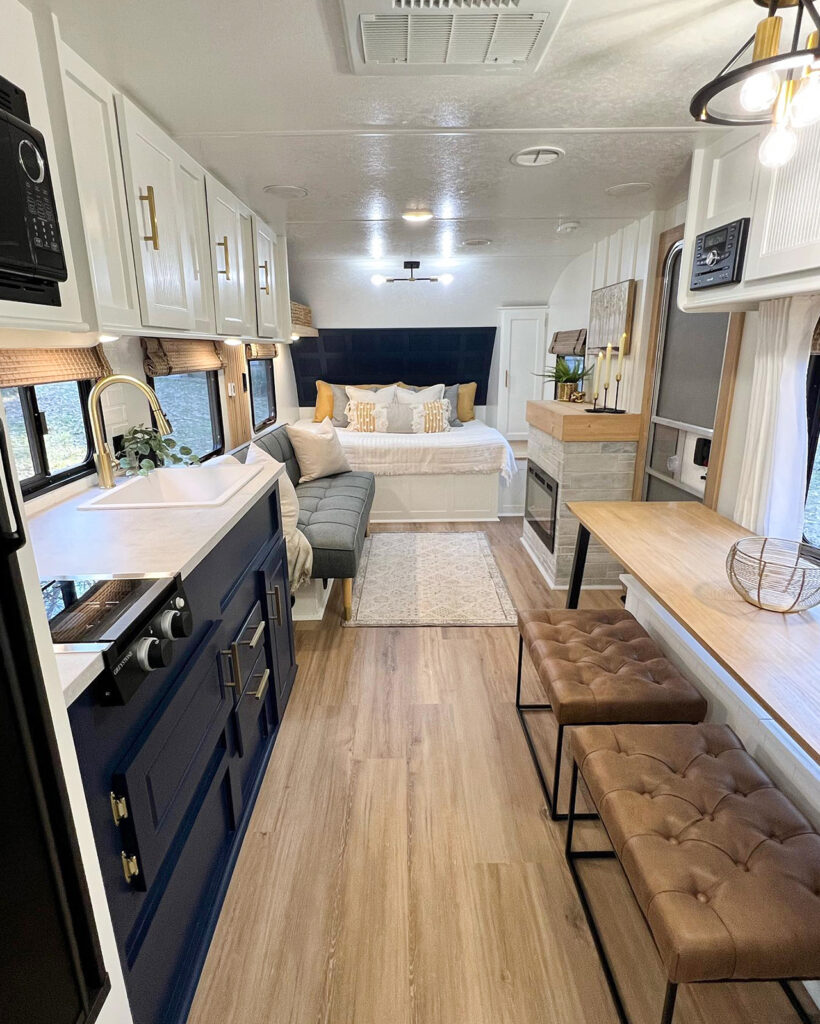
Camper Trailers: A Guide to Choosing and Enjoying Your Home on Wheels
A camper trailer can make road trips more comfortable while giving you the freedom to explore at your own pace. Towable by a suitable vehicle, camper trailers come in many sizes and styles—from lightweight pop-up campers to spacious travel trailers with kitchens, bathrooms, and dedicated sleeping areas. Whether you’re planning weekend getaways or longer road trips, the right trailer can help make camping easier and more enjoyable.
What Is a Camper Trailer?
A camper trailer is a recreational vehicle designed to be towed behind a car, SUV, truck, or other compatible vehicle. Unlike a motorhome, it doesn’t have its own engine. You drive your tow vehicle to your destination, unhitch the trailer when you arrive, and use your vehicle separately while you’re camped.
The term “camper trailer” can refer to several types of towable RVs. The best option depends on how much space and comfort you want, where you plan to travel, and what your vehicle can safely tow.
Common Types of Camper Trailers
- Pop-up campers: Lightweight and compact when folded for travel, these trailers expand at the campsite to provide sleeping space and basic amenities.
- Teardrop trailers: Small, streamlined trailers often suited to couples or solo travelers. Many include a sleeping area and an outdoor kitchen.
- Travel trailers: Available in a wide range of sizes, these enclosed trailers can include beds, a kitchen, storage, and sometimes a bathroom.
- Hybrid trailers: These combine hard-sided sections with fold-out sleeping areas, offering more room while keeping towing weight relatively manageable.
- Fifth-wheel trailers: Larger trailers that connect to a special hitch in the bed of a pickup truck. They often provide generous living space and storage.
Benefits of Traveling With a Camper Trailer
One of the biggest advantages of a camper trailer is flexibility. You can bring your accommodations with you, settle into a campsite, and use your tow vehicle for local errands or sightseeing. A trailer can also provide a more comfortable place to sleep, cook, and store gear than a tent, while allowing you to choose from campgrounds, parks, and other permitted overnight locations.
Because camper trailers don’t have an engine, there’s no motorhome drivetrain to maintain. However, they still require regular care, and towing introduces its own responsibilities. The trailer, hitch, tires, brakes, and electrical connections all need attention.
How to Choose the Right Camper Trailer
Start With Your Tow Vehicle
Before choosing a trailer, check your vehicle’s owner’s manual and manufacturer specifications. Pay attention to its maximum towing capacity, payload rating, and hitch limits. The trailer’s loaded weight—not just its advertised dry weight—must remain within the vehicle’s limits. Remember that passengers, cargo, water, and equipment also add weight.
If you’re unsure about the numbers, ask a qualified RV or towing professional to help you check them. A properly matched vehicle and trailer are essential for safe handling and braking.
Think About Who’s Traveling
Consider how many people will use the trailer and how much privacy and sleeping space they need. A compact trailer may be ideal for a couple, while a family may want separate beds, additional storage, or a larger living area.
Consider Your Destinations
Think about the roads and campsites you plan to visit. Smaller trailers can be easier to maneuver and may fit into more compact sites. Larger trailers can offer extra comforts but may be more challenging to tow, park, and store. If you plan to camp without hookups, look at water capacity, battery setup, and other features that support off-grid stays.
Choose Features That Fit Your Travel Style
Make a list of must-have features before you shop. Common considerations include:
- Sleeping arrangements and seating
- Kitchen equipment and food storage
- Bathroom or shower facilities
- Heating, air conditioning, and ventilation
- Freshwater, gray-water, and wastewater tank capacity
- Storage for clothing, camping gear, and outdoor equipment
- Solar panels, batteries, or generator compatibility
Essential Towing and Setup Tips
Safe towing starts before you leave home. Make sure the hitch is suitable for both the vehicle and trailer, and check that safety chains, lights, brakes, and electrical connections are working correctly. Adjust the mirrors so you can see around the trailer, and secure all items inside before driving.
Take time to practice turning, backing up, and braking in a clear area before heading into traffic. Allow extra room to stop, take wider turns when needed, and drive at a speed that feels controlled for the road and conditions. Always follow applicable laws and the equipment manufacturer’s instructions.
At the campsite, choose a level spot and use wheel chocks before unhitching. Follow the trailer’s setup instructions, connect utilities carefully, and keep walkways clear. When it’s time to leave, check that the trailer is secured, the lights are working, and all compartments and accessories are ready for travel.
Maintaining Your Camper Trailer
Regular maintenance helps protect your investment and can reduce the chance of problems on the road. Inspect tires for wear and proper inflation, check the lights and brakes, and look over the hitch and safety chains. Keep an eye out for signs of water intrusion, especially around windows, roof seams, and doors.
Follow the manufacturer’s guidance for maintaining appliances, plumbing, batteries, and any onboard systems. Before storing the trailer, clean it, remove perishable items, and prepare the plumbing for the temperatures and conditions in your area.
Make the Most of the Journey
A camper trailer can turn a simple drive into a more flexible travel experience. Start with destinations and trips that match your comfort level, plan realistic driving days, and leave room for unexpected stops. With careful preparation and a trailer suited to your needs, you can enjoy the convenience of bringing your own space along wherever the road leads.
9 Reasons Why Camper Trailers Enhance Your Travel Experience
- Comfortable shelter on the road
- More space than tent camping
- Convenient sleeping arrangements
- Kitchen space for easy meals
- Extra storage for gear
- Flexible travel and campsite options
- Unhitch and explore by car
- A cozy home base outdoors
- Options for many budgets and travel styles
5 Drawbacks of Camper Trailers to Consider Before Hitting the Road
- Requires a suitable tow vehicle.
- Can be difficult to maneuver and park.
- Adds fuel costs while towing.
- Needs regular maintenance and storage.
- Offers less space than many motorhomes.
Comfortable shelter on the road
A camper trailer gives you a comfortable, dependable place to relax wherever the road takes you. Instead of setting up a tent after a long day of travel, you can settle into a sheltered space with a cozy bed, protection from changing weather, and room to store your gear. Depending on the model, you may also have a kitchen, bathroom, heating, or air conditioning—making overnight stops feel more like home and helping you enjoy the journey in greater comfort.
More space than tent camping
A camper trailer offers significantly more space than tent camping, giving you room to sleep, relax, and store your gear without feeling cramped. Depending on the model, you may also have a dining area, a kitchen, and separate sleeping spaces, making it easier to stay comfortable and organized—especially on longer trips or when camping with family.
Convenient sleeping arrangements
Camper trailers make it easy to bring a comfortable place to sleep wherever your travels take you. With beds already set up—or convertible dinettes and bunks that create extra sleeping space—you can settle in at the campsite without pitching a tent or arranging a separate place to stay. This convenience is especially helpful for families and road trippers who want a cozy, reliable rest after a day of exploring.
Kitchen space for easy meals
A camper trailer with kitchen space makes mealtime simple wherever the road takes you. With room to prepare ingredients, store groceries, and use cooking essentials, you can make quick breakfasts, satisfying lunches, or cozy dinners without relying on restaurants. Having a kitchen close at hand also makes it easier to enjoy flexible meals at the campsite and spend more time relaxing outdoors.
Extra storage for gear
A camper trailer gives you extra storage for the gear that makes a trip more enjoyable, from camp chairs and cooking supplies to bikes, fishing equipment, and outdoor clothing. Dedicated cabinets, closets, and exterior compartments help keep belongings organized and separate from your living and sleeping areas. With more room for essentials, you can pack for different activities without crowding your tow vehicle.
Flexible travel and campsite options
A camper trailer gives you the flexibility to explore at your own pace and choose from a wide range of campsites. Once you’ve set up at your destination, you can unhitch the trailer and use your vehicle for sightseeing, errands, or day trips. From established campgrounds with full hookups to quieter, more remote sites, a camper trailer can make it easier to shape each trip around your plans and preferred style of travel.
Unhitch and explore by car
One of the biggest advantages of a camper trailer is the freedom to unhitch and explore by car. Once your trailer is set up at the campsite, you can take your vehicle on scenic drives, run errands, or visit nearby attractions without packing up your entire camp. It’s a convenient way to enjoy the comforts of a home base while staying flexible on the road.
A cozy home base outdoors
A camper trailer gives you a cozy home base in the great outdoors, with a comfortable place to sleep, relax, and keep your essentials close. After a day of hiking, fishing, or exploring, you can return to a familiar space, prepare a simple meal, and unwind—while still enjoying the fresh air and scenery right outside your door.
Options for many budgets and travel styles
Camper trailers come in a wide range of sizes, features, and price points, making it easier to find an option that fits your budget and travel style. A compact teardrop or pop-up camper may suit weekend getaways and simpler trips, while a larger travel trailer can offer extra living space and home-style amenities for families or extended journeys. With so many choices available, travelers can prioritize what matters most—such as easy towing, comfortable sleeping arrangements, or added conveniences—without paying for features they don’t need.
Requires a suitable tow vehicle.
A camper trailer requires a tow vehicle that can safely handle its weight, size, and hitch requirements. Before buying, check your vehicle’s towing capacity, payload rating, and hitch limits, and remember that passengers, gear, and supplies add weight. If your vehicle isn’t properly equipped, you may need to upgrade or choose a lighter trailer, which can add to the overall cost.
Can be difficult to maneuver and park.
Camper trailers can be difficult to maneuver and park, especially in tight campsites, crowded parking areas, or narrow roads. Their added length and width make turns wider and reversing less intuitive than driving a regular car. Practicing in an open area, using a spotter, and checking campsite dimensions ahead of time can help make parking easier and safer.
Adds fuel costs while towing.
Towing a camper trailer usually reduces your vehicle’s fuel efficiency, so you’ll spend more on gas than you would traveling without one. The added weight and wind resistance can increase fuel use, especially on long trips, hilly routes, or at higher speeds. When planning your budget, account for these extra fuel costs along with campsite fees and other travel expenses.
Needs regular maintenance and storage.
Camper trailers need regular maintenance to stay safe, reliable, and ready for the road. Owners should routinely check the tires, brakes, lights, hitch, roof seals, and plumbing, and address small issues before they become costly repairs. A trailer also needs suitable storage when it isn’t in use, which may mean paying for a storage space or making room on your property. These ongoing tasks and costs are worth considering before buying.
Offers less space than many motorhomes.
Camper trailers often offer less living space than many motorhomes, especially smaller models designed to be lightweight and easy to tow. Limited room can mean less storage, tighter sleeping arrangements, and a more compact kitchen or bathroom. For families or travelers who spend extended time indoors, this may feel restrictive, so it’s worth comparing floor plans and sleeping capacity before choosing a trailer.
Related Posts
Exploring the Great Outdoors: Your Ultimate RV and Camper Adventure
The Ultimate Guide to RVs and Campers The Ultimate Guide…
Unlock Adventure: Explore with an RV Day Rental
The Ultimate Guide to RV Day Rentals Are you looking…
Enhancing Your Trailer’s Style and Protection with Quality Wheel Hub Caps
The Importance of Trailer Wheel Hub Caps The Importance of…