
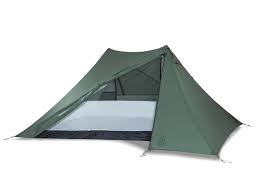
How to Choose the Right Backpacking Tent
A backpacking tent is more than a place to sleep. It provides shelter from wind, rain, insects, and cold while you’re exploring the outdoors. Because you’ll carry it in your pack, the best tent balances weight, comfort, weather protection, and durability. Understanding a few key features can help you choose a tent that suits your trips.
Consider Weight and Packed Size
Every ounce matters on a long hike, but the lightest tent may not be the best choice for every camper. Compare the tent’s packed weight with its minimum weight. Minimum weight usually includes the tent body, rainfly, and poles, while packed weight may include stakes, stuff sacks, and other included accessories.
Also check the packed dimensions to make sure the tent will fit comfortably in your backpack. Some tents can be divided between hiking partners, with one person carrying the poles and another carrying the tent body and rainfly.
Choose the Right Capacity
Tent capacity indicates how many people can sleep inside, but it doesn’t always reflect how spacious the tent will feel. A two-person tent may fit two people closely, with limited room for gear. If you prefer extra sleeping space or plan to keep some equipment inside, consider a larger model. For solo trips, a one-person tent saves weight, while a two-person tent offers more room at the cost of a heavier load.
Understand Tent Design
Most backpacking tents use either a freestanding or non-freestanding design.
- Freestanding tents use poles to hold their shape and can be moved before they’re staked down. They’re often convenient on firm or rocky ground, though stakes are still useful for stability.
- Non-freestanding tents rely on stakes and, in some designs, trekking poles. They can be lighter and pack smaller, but they require suitable ground and careful pitching.
Think about where you expect to camp and how much setup flexibility you want before choosing between the two styles.
Check Weather Protection and Ventilation
A rainfly helps protect the tent from rain, while a bathtub-style floor—with raised edges—can help keep water from entering at ground level. Seams, zippers, and the overall design also affect how well a tent handles wet weather. For trips in exposed or changeable conditions, look for a sturdy frame and a rainfly that provides good coverage.
Ventilation is important in both warm and cool weather. Mesh panels, vents, and adjustable doors help moisture escape and reduce condensation inside the tent. Good airflow can make a noticeable difference, especially when camping in humid conditions.
Look at the Details
Small features can make a tent more comfortable and convenient. Before buying, consider:
- Doors and vestibules: More than one door can make it easier for two people to enter and exit. A vestibule provides covered storage for muddy boots or a backpack.
- Interior pockets: Pockets help keep essentials such as a headlamp, phone, and glasses organized.
- Pole design: Simple pole systems are generally easier to pitch, particularly in poor weather or low light.
- Materials and construction: Check fabric specifications, stitching, zippers, and repair options. Lighter materials can reduce pack weight but may require careful handling.
Practice Before Your Trip
Set up a new tent at home before taking it into the backcountry. Practice attaching the rainfly, staking out the corners, and packing everything away. This helps reveal missing parts and makes setup quicker at the campsite. It’s also a good idea to learn how to use the tent’s guylines and adjust the pitch for better stability and airflow.
Care for Your Backpacking Tent
Use a footprint or groundsheet if recommended by the manufacturer, and clear sharp sticks and stones from the tent site. Avoid pitching directly under dead branches, and secure the tent properly in windy conditions. After each trip, dry the tent completely before storing it to help prevent mildew and unpleasant odors. Store it loosely in a cool, dry place, and follow the manufacturer’s instructions for cleaning and repairs.
Find a Tent That Fits Your Trips
The right backpacking tent depends on the length of your hikes, the weather you expect, the number of people sharing the shelter, and your comfort preferences. Compare total weight, interior space, weather protection, and ease of setup—not just the price or capacity listed on the package. A well-chosen tent can make nights on the trail more comfortable and help you enjoy the journey with confidence.
Essential FAQs for Choosing and Using a Backpacking Tent
- What should I look for when choosing a backpacking tent?
- How much should a backpacking tent weigh?
- What size backpacking tent do I need?
- What is the difference between freestanding and non-freestanding tents?
- Are backpacking tents waterproof?
- How do I keep condensation from building up inside my tent?
- How do I set up a backpacking tent on rocky or uneven ground?
- How should I clean and store a backpacking tent?
What should I look for when choosing a backpacking tent?
When choosing a backpacking tent, consider its packed weight and size, sleeping capacity, and how much room you’ll need for people and gear. Look for reliable weather protection, good ventilation to reduce condensation, and a design that suits your campsite and setup preferences—freestanding tents are easy to reposition, while trekking-pole tents can be lighter. Also check the number of doors, vestibule space, durability, and ease of setup. The best choice balances comfort and protection with a weight you’re willing to carry.
How much should a backpacking tent weigh?
A backpacking tent should ideally weigh about 2 to 3 pounds per person, so a two-person tent often weighs around 4 to 6 pounds total. Ultralight models can weigh less, while sturdier tents designed for rough weather may weigh more. If you’re hiking with someone, you can split the tent’s components between your packs to share the load. Choose a weight that fits your trip and comfort needs without sacrificing the weather protection and durability you’ll rely on.
What size backpacking tent do I need?
The right backpacking tent size depends on how many people will use it and how much room you want. A one-person tent is typically the lightest choice for solo trips, while a two-person tent can offer extra space for one camper—or fit two people more snugly. If you’re sharing a tent and want room for gear, look for a model with a larger floor area or vestibule, or consider sizing up. Check the tent’s interior dimensions and packed weight, since capacity labels can vary by brand.
What is the difference between freestanding and non-freestanding tents?
Freestanding tents use poles to hold their shape, so they can be moved around before being staked down and are often easier to set up on hard or rocky ground. Non-freestanding tents rely on stakes—and sometimes trekking poles—to stay upright, which can make them lighter and more compact, but they need suitable ground and careful pitching. Both styles can provide reliable shelter; the best choice depends on your priorities, campsite conditions, and willingness to stake out the tent.
Are backpacking tents waterproof?
Backpacking tents are generally designed to keep rain out, but “waterproof” doesn’t mean they’ll stay dry in every condition. A rainfly, waterproof floor, and sealed or taped seams provide protection, while heavy or prolonged rain, wind-driven water, worn coatings, or an improperly pitched tent can lead to leaks. Condensation can also collect inside and feel like a leak. Check the tent’s waterproof ratings and care instructions, pitch it with the rainfly properly secured, and let it dry fully after each trip.
How do I keep condensation from building up inside my tent?
To reduce condensation inside your backpacking tent, maximize airflow by opening vents and keeping mesh panels unobstructed, even when it’s cool or damp. Choose a breezy campsite away from water and low-lying areas, and avoid pitching near wet vegetation. Keep damp clothing and wet gear in the vestibule when possible, and don’t cook inside the tent, since cooking adds moisture and can be dangerous. If condensation still forms, wipe the tent walls with a clean cloth and air the tent out when conditions allow.
How do I set up a backpacking tent on rocky or uneven ground?
On rocky or uneven ground, first look for the flattest, safest spot available, avoiding loose rocks, drainage channels, and exposed ridgelines. Clear away small debris, but don’t dig or move large rocks. Position the tent so your head is slightly uphill, then adjust the pitch to accommodate the terrain. If stakes won’t hold, secure the guylines to sturdy rocks or nearby natural anchors, or use specialized rock or snow anchors; avoid placing sharp stones where they could damage the tent or its floor. A footprint can add protection, and checking the setup for stability before settling in helps keep the shelter secure.
How should I clean and store a backpacking tent?
Clean your backpacking tent by gently spot-cleaning it with lukewarm water and a soft sponge or cloth; use a cleaner made for outdoor gear if needed, and avoid household detergents, bleach, and machine washing, which can damage the fabric’s coatings. Rinse away any residue and let the tent, rainfly, and footprint air-dry completely in the shade before storing them. Keep the tent loosely packed in a cool, dry place rather than compressed in its stuff sack for long periods, and check the manufacturer’s care instructions for product-specific guidance.