
Class C Recreational Vehicles: A Practical Guide for RV Travelers
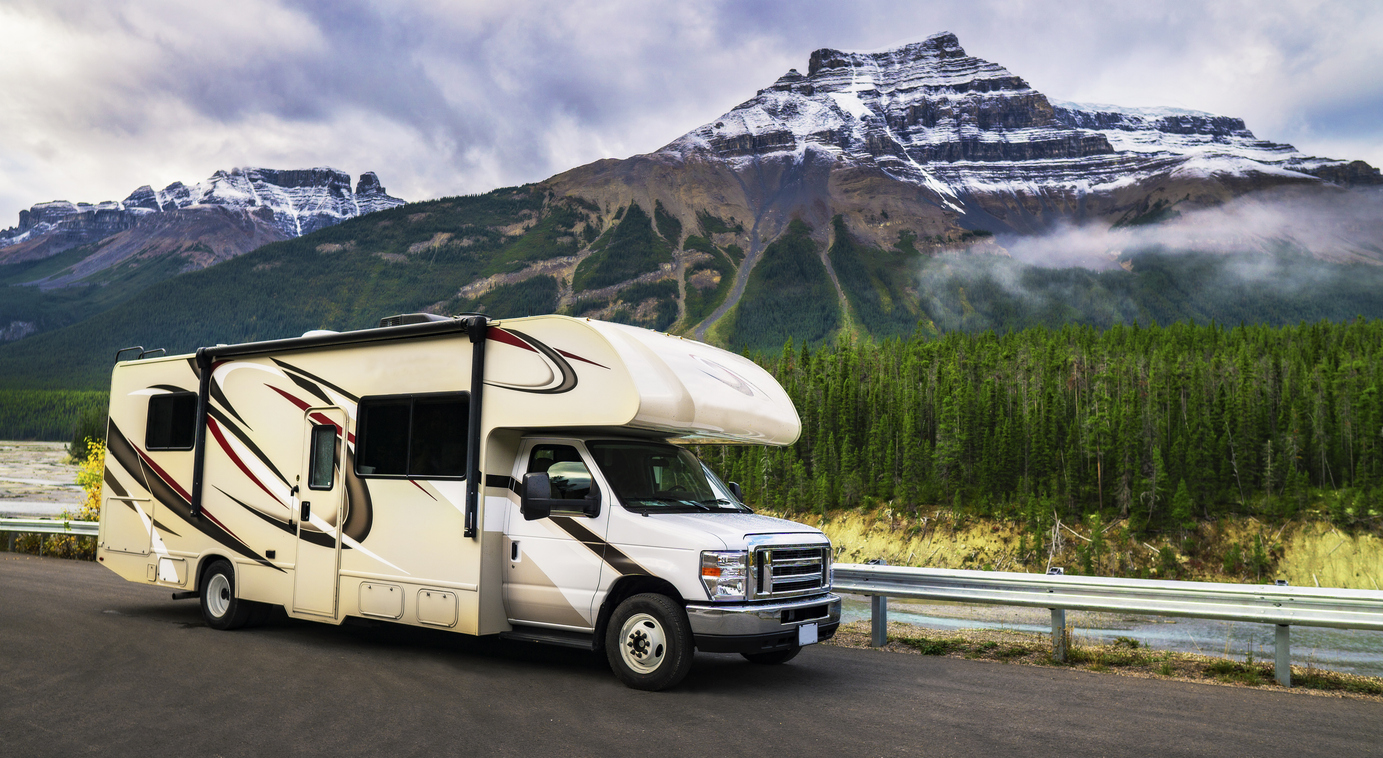
Class C recreational vehicles offer a comfortable balance of living space, drivability, and convenience. Built on a truck or van-style chassis, these motorhomes are often easy to recognize by the sleeping area that extends over the cab. That space can provide an extra bed, storage, or both, making a Class C a popular choice for families, couples, and first-time RV travelers.
What Is a Class C RV?
A Class C RV is a motorhome with its own engine and driver’s cab. Unlike a Class A motorhome, which is built on a larger bus-style chassis, a Class C typically uses a cutaway van or truck chassis. The living area is constructed behind the cab, and many models have a cab-over section that can be used for sleeping or storage.
Class C RVs come in a range of sizes and floor plans. Smaller models may be easier to maneuver and park, while larger versions can offer more sleeping space, storage, and residential-style features. Exact layouts and equipment vary by model.
Common Features
Many Class C recreational vehicles include a kitchen, bathroom, dining area, and sleeping space. Depending on the floor plan, sleeping areas may include a cab-over bed, a rear bedroom, convertible seating, or bunk beds. Common amenities can include:
- A refrigerator, cooktop, and sink
- A bathroom with a toilet and shower
- Freshwater, gray-water, and black-water tanks
- Heating and air conditioning
- Storage compartments inside and outside
- An awning and generator on some models
Before choosing an RV, check the specific vehicle’s equipment, tank capacities, sleeping arrangements, and storage options. Features can differ significantly, even among models of similar size.
Benefits of a Class C Motorhome
A Convenient All-in-One Setup
Because a Class C is a motorhome, the driving area and living space are connected. Travelers can bring their accommodations with them instead of towing a separate trailer. This can make travel days simpler, especially for people who prefer not to manage a trailer and tow vehicle.
Flexible Sleeping Space
The cab-over bed can make efficient use of space and provide an additional sleeping area without taking up the entire living room. Families may also appreciate floor plans with bunk beds or separate sleeping zones.
A Range of Sizes and Layouts
Class C models are available in different lengths and configurations. A shorter model may suit travelers who value maneuverability, while a larger floor plan may be better for longer trips or a bigger group. Comparing layouts in person can help reveal how usable the space feels.
Suitable for Different Types of Trips
A Class C can work for weekend getaways, road trips, campground stays, and longer journeys. The right choice depends on how many people will travel, where the RV will be driven, and which amenities matter most.
Things to Consider Before Buying or Renting
Size and Handling
Even a compact motorhome is larger and heavier than a passenger car. Consider its overall length, height, width, and turning radius, as well as whether it will fit in your driveway, storage area, or intended campsites. Drivers should also allow extra room for braking, turning, and overhead clearance.
Fuel Use and Travel Costs
Fuel consumption varies with the vehicle’s engine, weight, speed, terrain, and driving habits. Include fuel, campground fees, insurance, maintenance, and possible storage costs in your travel budget.
Weight Limits
Every RV has weight ratings that limit how much the vehicle can safely carry. Passengers, luggage, water, food, and equipment all add weight. Review the manufacturer’s ratings and loading guidance, and avoid exceeding the vehicle’s limits.
Maintenance and Inspections
A motorhome combines vehicle systems with household-style equipment. Regular care may include checking tires, brakes, batteries, fluids, plumbing, appliances, seals, and the roof. Before a trip, inspect the vehicle and confirm that key systems are working properly. Follow the owner’s manual and recommended service schedule.
Driving Requirements
Licensing rules for RVs vary by state and can depend on factors such as vehicle weight or length. Check the requirements where the vehicle is registered and wherever you plan to travel. New drivers should practice in a safe area and learn how to use mirrors, manage turns, and account for height and rear overhang.
Class C vs. Class A and Class B RVs
Class A motorhomes are generally larger and built on a bus-style chassis. They may offer more interior room but can be more challenging to maneuver and store. Class B RVs are typically built inside a van body and are often smaller and easier to drive, though they usually have less living space.
Class C models sit between these categories in many travelers’ minds, but size and features vary widely. The best option is the one that fits your travel plans, comfort needs, driving experience, and budget—not simply the one with the most space.
How to Choose the Right Class C RV
Start by listing who will travel and how the RV will be used. Think about sleeping arrangements, kitchen and bathroom needs, storage, trip length, and the types of roads and campgrounds you expect to visit. Then compare floor plans and measure the spaces you plan to use most, such as beds, seating areas, and kitchen counters.
If possible, walk through or rent a similar model before making a decision. A test drive can also help you understand visibility, handling, and comfort behind the wheel. Review the vehicle’s condition, service history, warranty information, and weight ratings before purchasing.
Is a Class C RV Right for You?
A Class C recreational vehicle may be a good fit for travelers who want a motorhome with practical living space and flexible sleeping options. It can make the journey itself part of the vacation, with meals, rest, and overnight stays all supported by one vehicle. Taking time to compare layouts, understand operating costs, and assess driving needs can help you choose a model that suits the way you want to travel.
Class C RVs: 9 Frequently Asked Questions
- What is a Class C recreational vehicle?
- How many people can sleep in a Class C RV?
- What is the difference between a Class C and a Class A or Class B RV?
- How difficult is it to drive a Class C motorhome?
- What kind of driver’s license do I need to drive a Class C RV?
- How much does a Class C RV cost to buy or rent?
- How much fuel does a Class C RV use?
- Can a Class C RV tow a car or trailer?
- What should I check before buying or renting a Class C RV?
What is a Class C recreational vehicle?
A Class C recreational vehicle is a motorhome built on a truck or van-style chassis, with a living area attached behind the driver’s cab. Many models are recognizable by the sleeping or storage space that extends over the cab. Class C RVs commonly include a kitchen, bathroom, dining area, and beds, though layouts and amenities vary. Their combination of onboard living space and a familiar driving cab makes them a popular option for road trips, family vacations, and other camping adventures.
How many people can sleep in a Class C RV?
A Class C RV typically sleeps 4 to 8 people, though capacity varies by model and floor plan. Sleeping spaces may include a cab-over bed, a rear bedroom, bunk beds, and convertible dinettes or sofas. Check the manufacturer’s stated sleeping capacity and make sure the beds suit everyone traveling.
What is the difference between a Class C and a Class A or Class B RV?
Class C RVs are built on a truck or van-style chassis and typically have a cab-over sleeping or storage area, offering a middle ground between size and living space. Class A RVs are usually the largest, built on a bus-style chassis, and often provide more room and amenities but can be harder to maneuver and park. Class B RVs are generally the smallest, built inside a van body, making them easier to drive and park but more limited in living space. Features and dimensions vary by model, so compare floor plans and driving needs when choosing.
How difficult is it to drive a Class C motorhome?
Driving a Class C motorhome is generally manageable, especially compared with driving a larger Class A RV, but it takes adjustment if you’re used to a car. Its size and weight affect turning, braking, visibility, and parking, so allow extra space, check overhead clearances, and use mirrors and cameras carefully. New drivers should practice in a quiet area, plan routes around vehicle height and length, and take turns and backing up slowly.
What kind of driver’s license do I need to drive a Class C RV?
In most states, you can drive a Class C RV with a standard driver’s license, and a commercial driver’s license (CDL) is generally not required for personal use. However, licensing rules vary by state and may depend on the RV’s weight or other specifications; some states require a special or noncommercial license for heavier motorhomes. Check your state’s current requirements and confirm any license rules with the rental company before you travel.
How much does a Class C RV cost to buy or rent?
The cost of a Class C RV varies by age, size, features, and location. New models commonly cost around $80,000 to $200,000 or more, while used RVs may range from about $30,000 to $100,000, depending on condition and mileage. Rentals often run roughly $150 to $300 per night, with additional costs possible for mileage, insurance, cleaning, and generator use. Compare the total purchase or rental price—including taxes, fees, maintenance, and fuel—before making a decision.
How much fuel does a Class C RV use?
A Class C RV typically gets about 8–10 miles per gallon, though fuel economy can vary based on the model, engine, weight, speed, terrain, and driving conditions. Larger or heavily loaded RVs may use more fuel, especially on steep roads or at highway speeds. Check the vehicle’s specifications and track mileage during a trip to estimate fuel costs more accurately.
Can a Class C RV tow a car or trailer?
Yes, many Class C RVs can tow a car or trailer, but the safe towing limit depends on the specific motorhome’s hitch rating, gross combination weight rating (GCWR), and loaded weight. Check the owner’s manual and vehicle labels, and make sure the RV’s total weight—including passengers, cargo, and fluids—plus the towed vehicle or trailer stays within all limits. The car must also be approved for the intended towing method, and a trailer may require its own brakes and safety equipment.
What should I check before buying or renting a Class C RV?
Before buying or renting a Class C RV, check its overall condition, maintenance history, and key systems, including the engine, tires, brakes, plumbing, appliances, heating, and air conditioning. Confirm the floor plan and sleeping capacity suit your group, and review the vehicle’s dimensions, weight limits, fuel needs, and storage space. Ask about insurance, rental or ownership costs, mileage limits, and any included equipment. Before driving away, inspect for leaks or damage, test the features, and make sure you understand how to operate the RV and comply with applicable licensing requirements.
Related Posts
Maximize Your Storage Space with a Quality Used Motorhome Rear Storage Box
The Convenience of a Used Motorhome Rear Storage Box When…
Discover Affordable Used Class C Diesel Motorhomes for Sale Today!
Used Class C Diesel Motorhomes for Sale Exploring the Benefits…
Pop Out Camper: A Flexible Way to Explore the Outdoors
Pop Out Campers: A Flexible Way to Explore the Outdoors…