
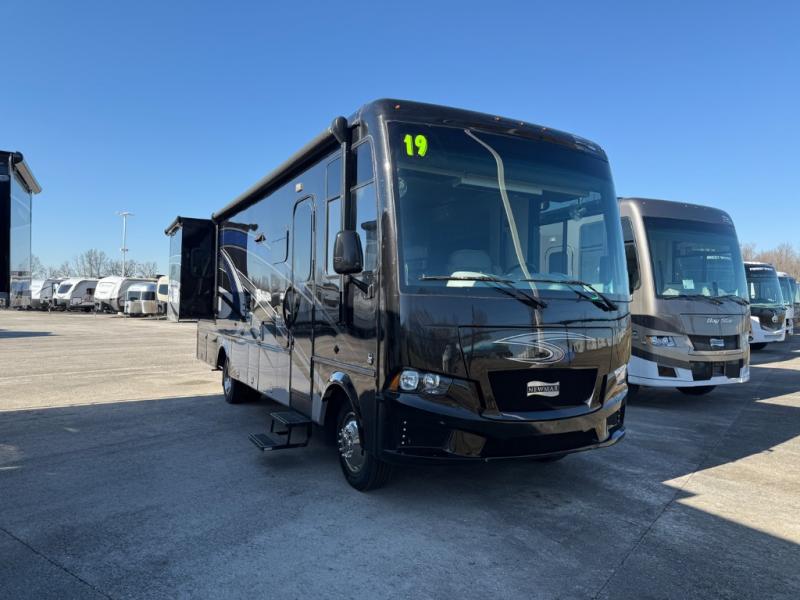
Motor Homes: A Guide to Traveling in Comfort
Motor homes combine transportation and living space in one vehicle, making it possible to travel with many of the comforts of home. From weekend camping trips to extended road adventures, they offer a flexible way to explore while bringing your sleeping, dining, and storage spaces along for the ride.
What Is a Motor Home?
A motor home is a recreational vehicle (RV) built on a motorized chassis. Unlike a travel trailer, which must be towed by another vehicle, a motor home can be driven on its own. Depending on the model, it may include beds, a kitchen, a bathroom, dining space, storage, and systems for water, power, heating, and cooling.
Common Types of Motor Homes
- Class A: Large motor homes built on a heavy-duty chassis. They often provide spacious interiors and substantial storage, but their size can make driving and parking more challenging.
- Class B: Compact motor homes, often converted from van platforms. They are generally easier to maneuver and park, with a smaller living area and fewer amenities than larger models.
- Class C: Motor homes built on a truck or van chassis, commonly recognized by the sleeping area above the cab. They offer a middle ground in size and living space.
Layouts and features vary widely within each class, so it’s helpful to compare specific models rather than relying on the class label alone.
Benefits of Motor Home Travel
One of the main advantages of a motor home is convenience. Your accommodation travels with you, which can reduce the need to pack and unpack at each stop. A motor home can also make it easier to bring along cooking supplies, outdoor gear, and personal belongings.
Motor homes offer flexibility, too. Travelers can adjust their route, spend more time in places they enjoy, or plan trips around campgrounds and scenic destinations. For families and groups, having a shared living space can make the journey itself part of the experience.
What to Consider Before Choosing One
The right motor home depends on how you plan to travel. Before choosing a model, consider:
- Travel group: Think about how many people will regularly ride and sleep in the vehicle.
- Driving comfort: Consider the vehicle’s length, height, and handling, as well as your experience driving larger vehicles.
- Floor plan: Look at sleeping arrangements, kitchen space, bathroom design, and room to move around.
- Storage: Check that there is enough space for clothing, food, outdoor equipment, and other essentials.
- Utilities: Compare fresh-water capacity, waste-tank capacity, electrical systems, heating, and air conditioning.
- Ownership costs: Include fuel, insurance, maintenance, registration, campground fees, and storage in your budget.
It’s also important to check the vehicle’s weight ratings and passenger capacity. Never exceed the manufacturer’s limits, and make sure the motor home is suitable for the roads and destinations you plan to visit.
Planning and Driving
Motor homes handle differently from cars. Before a trip, practice turning, braking, backing up, and parking in a safe, open area. Pay attention to the vehicle’s height when approaching bridges, garages, and covered areas. Larger vehicles may also require more time and space to stop or change lanes.
Plan routes with your vehicle’s dimensions in mind, and check campground requirements before booking. Some parks have limits on vehicle length or may offer different types of hookups. A pre-trip inspection can help you spot issues with tires, lights, fluid levels, and safety equipment before setting out.
Making the Most of Motor Home Travel
Start with a manageable itinerary, especially if you are new to driving a motor home. Leave room for rest stops and unexpected delays, and avoid packing more than you need. At each campsite, follow local rules for hookups, waste disposal, fires, and quiet hours. Responsible travel helps protect the places that make road trips memorable.
Is a Motor Home Right for You?
A motor home can be a great fit for travelers who value independence, flexibility, and having familiar comforts on the road. The best choice is one that suits your travel style, driving confidence, passenger needs, and budget. By comparing layouts and features carefully—and understanding the responsibilities of operating a larger vehicle—you can choose a motor home that makes every trip more enjoyable.
Essential Tips for Safe and Smooth Motor Home Travel
- Check tire pressure before every trip.
- Secure loose items before driving.
- Test smoke and carbon monoxide detectors regularly.
- Use a level surface when parking.
- Empty waste tanks at approved dump stations.
- Inspect seals for leaks each season.
Check tire pressure before every trip.
Check the tire pressure on your motor home before every trip, including the spare if you have one. Properly inflated tires help support the vehicle’s weight, improve handling, and reduce the risk of tire damage or a blowout. Check pressure when the tires are cold, and use the pressure specified by the manufacturer—not the maximum pressure printed on the tire sidewall.
Secure loose items before driving.
Before driving your motor home, secure loose items throughout the living area. Put away dishes, cookware, toiletries, electronics, and anything else that could slide, fall, or become a hazard when the vehicle moves. Close cabinet doors and drawers, and check that heavier items are stored low and firmly in place. Taking a few minutes to tidy up can help prevent damage, reduce distractions, and make the ride safer for everyone.
Test smoke and carbon monoxide detectors regularly.
Test your motor home’s smoke and carbon monoxide detectors regularly to make sure they’re working properly. Follow the manufacturer’s instructions, replace batteries as needed, and install fresh detectors when they reach the end of their service life. These devices can provide an early warning of fire or dangerous carbon monoxide buildup, helping protect everyone on board.
Use a level surface when parking.
Park your motor home on a level surface whenever possible. A level spot helps keep the vehicle stable and comfortable, supports proper operation of appliances such as the refrigerator, and makes it easier to sleep, cook, and move around inside. If the campsite isn’t perfectly flat, use leveling blocks as directed by the manufacturer, and secure the vehicle before setting up.
Empty waste tanks at approved dump stations.
Empty your motor home’s waste tanks only at approved dump stations, such as those at campgrounds or designated RV facilities. Using a proper station helps prevent spills, protect the environment, and keep public areas sanitary. Follow posted instructions, wear disposable gloves, and rinse and secure the sewer hose after dumping.
Inspect seals for leaks each season.
Inspect your motor home’s roof, windows, doors, and exterior seams for cracked or peeling seals at the start of each season. Even a small gap can let water in and cause costly damage over time. If you spot worn sealant, repair or replace it with a product recommended for your RV, and check again after heavy rain or long trips.
Related Posts
Exploring RV Entry Door Replacement Parts: A Comprehensive Guide
The Complete Guide to RV Entry Door Replacement Parts RV…
Discover Exciting RV Rental Options Near You
RV Rental Near Me: Your Ticket to Adventure on Wheels…
Protect Your Investment with a Quality 5th Wheel Cover
Exploring the Benefits of a 5th Wheel Cover Exploring the…