
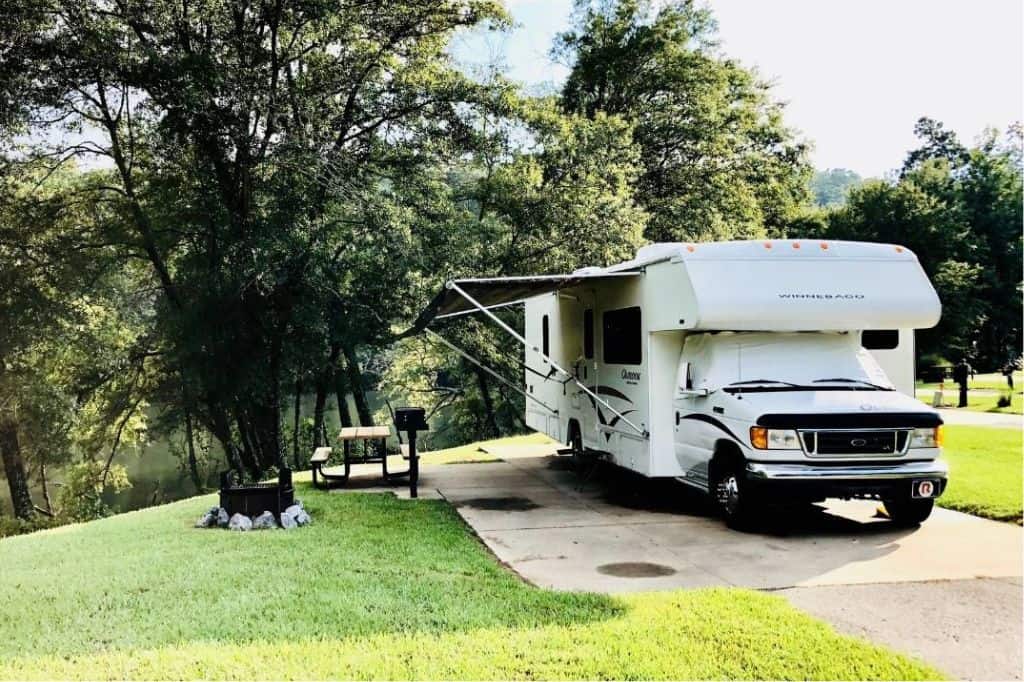
Recreational Vehicle Rental: A Guide to Planning Your Trip
Recreational vehicle rental offers a flexible way to explore the country while bringing many of the comforts of home along for the ride. With an RV, you can travel at your own pace, stay near the places you want to visit, and enjoy the journey between destinations. Whether you’re planning a weekend getaway or a cross-country road trip, a little preparation can help make your rental experience smoother.
Choose the Right RV for Your Trip
RVs come in a range of sizes and layouts. Smaller camper vans and compact motorhomes can be easier to drive and park, making them a practical choice for couples or shorter trips. Larger motorhomes and travel trailers may offer more sleeping space, storage, and amenities for families or longer stays.
When comparing options, consider:
- Number of travelers: Check both the sleeping capacity and the available seating with seat belts.
- Driving comfort: Think about the vehicle’s length, height, and handling, especially if you’re new to driving an RV.
- Trip type: A compact model may suit a city-and-campground itinerary, while a longer trip may call for more living space.
- Included features: Ask whether kitchen equipment, linens, camping chairs, or other essentials are provided.
- Vehicle requirements: Confirm the license, age, and experience requirements before booking.
Understand the Rental Costs
The advertised daily rate is only one part of the total cost. Depending on the rental provider and vehicle, additional expenses may include mileage, generator use, cleaning, insurance, taxes, and a security deposit. Fuel and campground fees should also be included in your budget.
Before confirming a reservation, review the rental agreement carefully. Check the cancellation policy, mileage limits, payment schedule, roadside assistance, and what happens if the RV needs repairs during your trip. Ask for an itemized estimate so you can compare the full cost of different rentals.
Plan Your Route and Overnight Stops
RV travel can be spontaneous, but planning key details ahead of time is helpful. Some campgrounds book up well in advance, especially during holidays and peak travel seasons. Reserve overnight stops when needed, and make sure each location can accommodate the RV’s length and type.
Map out fuel stops and check your route for low bridges, steep grades, narrow roads, and vehicle restrictions. A route that works for a car may not be suitable for a larger RV. Allow extra time between destinations, too: driving an RV can take longer than driving a passenger vehicle.
Prepare for Pickup
At pickup, take time to learn how the RV works. Ask the rental provider to demonstrate essential systems such as the water supply, electrical hookups, heating and cooling, appliances, and waste tanks. Make sure you understand how to operate any slide-outs, awnings, or generators.
Inspect the vehicle before leaving and document any existing damage with photos or video. Confirm that the equipment listed in the rental agreement is present, and save the provider’s contact information in case you need help on the road.
Drive Safely and Respect the Vehicle
An RV may handle differently from a car, particularly when braking, turning, backing up, or driving in windy conditions. Allow more room between vehicles, watch overhead clearance, and use a spotter when maneuvering in tight spaces. Follow the rental provider’s instructions for fueling, maintenance, and operating onboard equipment.
At your campsite, follow local rules and campground guidelines. Use hookups and waste-disposal facilities as directed, secure outdoor equipment, and leave the site clean for the next visitor.
Make the Most of Your RV Rental
A successful RV trip isn’t about covering the most miles. Build in time to relax, explore, and adjust your plans along the way. Pack for changing weather, bring useful items such as reusable water bottles and a first-aid kit, and keep important documents accessible.
With the right vehicle, a clear understanding of the rental terms, and a flexible itinerary, renting an RV can make it easier to enjoy the scenery and spend more time together. Plan carefully, travel safely, and let the journey be part of the adventure.
6 Essential Tips for Renting an RV: From Price Comparisons to Safe Returns
- Compare rental prices and mileage limits.
- Check insurance coverage before booking.
- Inspect the RV and document any damage.
- Practice driving and parking before your trip.
- Plan routes around the RV’s size and height.
- Return the RV clean and on time.
Compare rental prices and mileage limits.
Before booking an RV, compare the total rental cost—not just the advertised daily rate. Check what’s included, such as insurance, cleaning, generator use, and roadside assistance, and ask about additional fees. Pay close attention to mileage limits: some rentals include a set number of miles per day or for the entire trip, with extra charges for going over. Estimate your route in advance so you can choose a rental that fits your budget and travel plans.
Check insurance coverage before booking.
Before booking an RV rental, review the insurance coverage carefully so you know what is and isn’t protected. Ask whether the rental includes liability and damage coverage, check the deductible, and find out if roadside assistance is included. Your personal auto insurance or credit card may offer some protection, but coverage for rented RVs can vary, so confirm the details directly with your provider. Knowing your options in advance can help you avoid unexpected costs and travel with greater peace of mind.
Inspect the RV and document any damage.
Before driving away, carefully inspect the RV inside and out for scratches, dents, stains, cracked glass, or other existing damage. Take clear, time-stamped photos or videos, and make sure each issue is noted on the inspection form or rental agreement. Check that the rental provider acknowledges the documentation, and keep a copy for your records. This simple step can help prevent confusion or disputes when you return the vehicle.
Practice driving and parking before your trip.
Before setting off on your trip, spend some time practicing driving and parking your rental RV. Get comfortable with its size, turning radius, braking distance, and blind spots in a quiet area, then practice backing into a space with a spotter. This preparation can make maneuvering at gas stations, campgrounds, and busy roads less stressful and help you travel more safely.
Plan routes around the RV’s size and height.
Plan your route around your RV’s height, length, and weight—not just the fastest route on your map. Low bridges, tunnels, narrow roads, steep grades, and vehicle restrictions can create hazards or force inconvenient detours. Check road signs and route information ahead of time, use an RV-friendly navigation tool, and note your vehicle’s exact dimensions so you can travel safely and avoid surprises.
Return the RV clean and on time.
Return the RV clean and on time to help avoid extra fees and make the handoff easy for everyone. Follow the rental company’s cleaning instructions, empty the waste tanks if required, remove your belongings, and leave the vehicle in the agreed condition. Allow enough time to refuel and reach the return location by the scheduled deadline, and contact the rental provider promptly if delays come up.
Related Posts
Discover Your Nearest Caravan Parts Shop for All Your RV Needs
Caravan Parts Shop Near Me Exploring the Best Caravan Parts…

RV Motorhome Parts: A Guide to Choosing, Maintaining, and Replacing Essential Components
RV Motorhome Parts: A Guide to Choosing and Maintaining the…

Unveiling the Wonders: Guided Tours for Your Next Adventure
The Magic of Tours: Exploring the World One Journey at…