
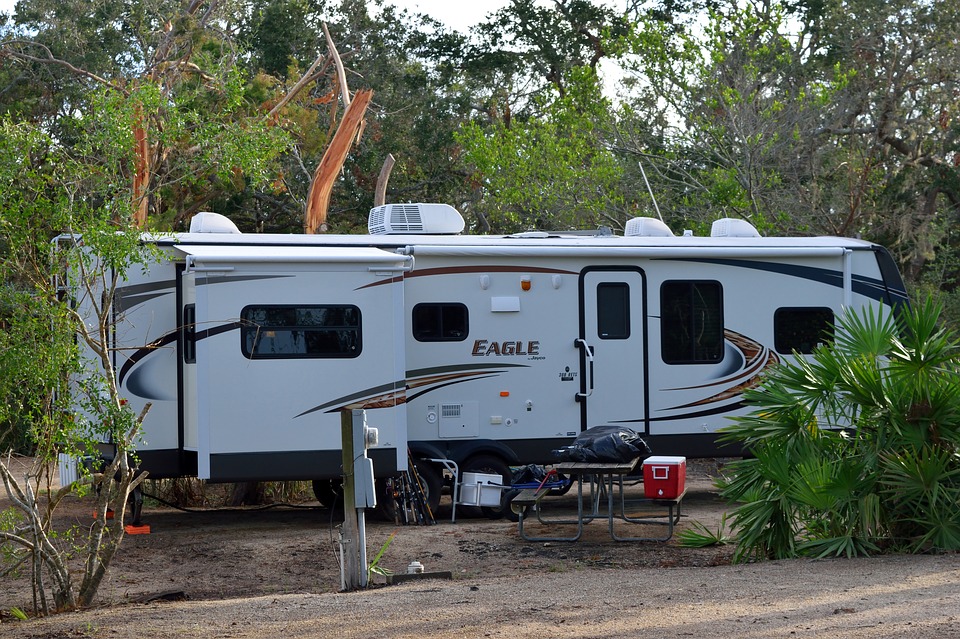
Top Campgrounds in the United States for Your Next RV Adventure
The best campground is more than a place to park for the night. It can put you steps from a scenic trail, offer a peaceful place to unwind, or serve as the perfect base for exploring a national park. From mountain forests to ocean shores, these standout campgrounds offer memorable settings for a road trip. Amenities, access, and reservation rules vary, so check current details before you go.
Watchman Campground — Zion National Park, Utah
Set near the entrance to Zion National Park, Watchman Campground is a convenient base for exploring the park’s towering sandstone cliffs and famous trails. The campground is close to the town of Springdale and the park shuttle, making it easier to get around without relying on your RV for every trip. Its dramatic desert scenery makes it a favorite for campers who want hiking and striking views close at hand.
Mather Campground — Grand Canyon National Park, Arizona
Located on the South Rim, Mather Campground offers a classic national park camping experience among ponderosa pines. It provides access to the Grand Canyon’s overlooks, visitor services, and walking paths. The high-desert climate can bring warm days and chilly nights, so pack layers and bring plenty of water.
Upper Pines Campground — Yosemite National Park, California
Upper Pines is a popular choice for visitors hoping to stay in Yosemite Valley, close to the park’s waterfalls, granite formations, and trailheads. The setting is a major part of the appeal: towering cliffs and forest surround the campground. Demand is high, so plan ahead and confirm the current reservation process, seasonal access, and vehicle requirements.
Moraine Park Campground — Rocky Mountain National Park, Colorado
Moraine Park sits in a broad mountain valley where visitors may spot elk and other wildlife. It’s a strong starting point for exploring Rocky Mountain National Park, including its alpine scenery and hiking routes. The elevation is high, and weather can change quickly, even in summer. Check road and campground conditions before arrival, especially outside the peak season.
Blackwoods Campground — Acadia National Park, Maine
Blackwoods is a wooded campground on Mount Desert Island, within reach of Acadia’s rocky coastline, carriage roads, and scenic drives. It’s a great option for campers who want to combine hiking with time by the ocean. Nearby areas can be busy during popular travel periods, so booking early and planning parking or shuttle arrangements can make the trip smoother.
Kalaloch Campground — Olympic National Park, Washington
For a coastal camping experience, Kalaloch offers access to the Pacific shoreline and the lush landscapes of Olympic National Park. Visitors can explore beaches, watch sunsets, and use the campground as a base for discovering the park’s diverse environments. Coastal weather can be cool and wet, so bring rain gear and check current campground conditions.
Many Glacier Campground — Glacier National Park, Montana
Many Glacier is known for its mountain scenery and access to popular trails in one of Glacier National Park’s most spectacular areas. It’s a rewarding destination for hikers and wildlife watchers, though road access and campground operations can be seasonal. Review current park alerts, vehicle restrictions, and reservation requirements before setting out.
Assateague Island National Seashore Campgrounds — Maryland
Assateague offers a very different kind of camping, with open beaches, coastal views, and the chance to see the island’s famous wild horses. The shoreline setting is a draw for beach lovers and photographers. Prepare for wind, sun, insects, and changing coastal conditions, and follow park guidance for keeping a safe distance from wildlife.
How to Choose the Right Campground
Think about the kind of trip you want before making a reservation. A campground inside a national park can reduce driving time, while a nearby private or public campground may offer more services or easier access for larger RVs. Consider these factors:
- RV size and access: Check site dimensions, road conditions, and any length or vehicle restrictions.
- Amenities: Confirm whether the campground has hookups, potable water, showers, dump stations, or other services you need.
- Reservations: Popular campgrounds may book far in advance. Review the official booking system and cancellation rules.
- Season and weather: Operating dates, road access, and conditions can change throughout the year.
- Location: Look at travel time to trailheads, visitor centers, stores, and other places you plan to visit.
Make Your Camping Trip a Great One
From the red-rock landscapes of Zion to the cool Pacific coast, these campgrounds showcase the variety of experiences available on an RV trip. Choose a destination that fits your travel style, check official sources for current details, and leave room in your itinerary to enjoy the journey along the way.
Top Campgrounds: Discover Scenic Escapes and Outdoor Adventures
- Scenic locations close to nature
- Easy access to hiking and outdoor activities
- Options for different travel styles
- Memorable settings for RV trips
- A relaxing break from everyday life
7 Drawbacks of Popular Campgrounds You Should Know
- Popular campgrounds book up quickly.
- Peak-season rates can be expensive.
- Some sites have limited RV space.
- Hookups may not be available.
- Crowds can mean less privacy.
- Weather can disrupt outdoor plans.
- Remote locations may have limited services.
Scenic locations close to nature
One of the biggest advantages of top campgrounds is their scenic locations close to nature. Many are tucked among forests, beside lakes and rivers, along rugged coastlines, or near mountains and national parks. This setting makes it easy to enjoy fresh air, wildlife, and outdoor activities right from your campsite. Whether you start the day with a lakeside walk or end it watching the sunset over the mountains, a beautiful natural setting can make the whole camping trip feel more relaxing and memorable.
Easy access to hiking and outdoor activities
Top campgrounds often put hiking trails and outdoor activities right at your doorstep, making it easy to spend less time driving and more time exploring. Whether you’re setting out for a scenic day hike, biking a forest road, paddling a nearby lake, or watching for wildlife, a well-located campground helps you make the most of every day outdoors.
Options for different travel styles
Top campgrounds offer options for every kind of traveler, from families looking for easy access to activities and amenities to couples seeking a quiet, scenic escape. RV travelers may prefer spacious sites with hookups, while tent campers might choose a more rustic spot close to nature. With campgrounds ranging from full-service resorts to remote wilderness sites, it’s easier to find a stay that suits your budget, comfort level, and adventure style.
Memorable settings for RV trips
Top campgrounds give RV trips a memorable sense of place, from quiet pine forests and dramatic mountain views to oceanfront sunsets and desert skies. Waking up surrounded by distinctive scenery can make even a short getaway feel special, while nearby trails, wildlife, and local attractions offer plenty to explore. These remarkable settings turn a campground into more than a place to park—they become part of the adventure.
A relaxing break from everyday life
Top campgrounds offer a welcome break from the pace of everyday life. Surrounded by trees, mountains, beaches, or open skies, you can slow down, breathe fresh air, and spend more time enjoying simple moments—like sharing a meal outdoors, taking an easy walk, or watching the sunset. Whether you stay for a weekend or a longer trip, camping can create space to unplug, recharge, and return home feeling refreshed.
Popular campgrounds book up quickly.
Popular campgrounds often book up quickly, especially during summer, holidays, and peak foliage or wildlife-viewing seasons. Waiting too long can leave you with limited choices—or no available sites near your destination. To improve your chances, plan ahead, check reservation dates and cancellation policies, and consider less busy travel dates or nearby campgrounds as backup options.
Peak-season rates can be expensive.
Peak-season rates at popular campgrounds can be expensive, especially during summer, holidays, and school breaks when demand is highest. Site fees may also increase for premium locations, larger RVs, or added amenities, making a longer stay costly. Booking early, traveling during shoulder seasons, and comparing nearby campgrounds can help keep your trip within budget.
Some sites have limited RV space.
Some top campgrounds have limited space for RVs, with narrow roads, short sites, or tight turning areas that can make parking difficult—especially for larger rigs. Before booking, check the campground’s vehicle-length limits, site dimensions, and access details to make sure your RV will fit comfortably.
Hookups may not be available.
Some top campgrounds, especially those in national parks and other scenic public lands, may not offer electrical, water, or sewer hookups. That means you’ll need to plan for a more self-contained stay by checking your RV’s battery and water capacity, conserving resources, and knowing where to refill or dump tanks. Review the campground’s amenities before booking so you can decide whether a site without hookups fits your trip.
Crowds can mean less privacy.
Popular campgrounds often fill up quickly, and busy sites can mean less quiet and privacy during your stay. Neighbors may be close by, shared facilities can get crowded, and voices or activity may carry between campsites. If you prefer a more peaceful experience, consider visiting during the off-season, choosing a less popular campground, or looking for sites with more space between them.
Weather can disrupt outdoor plans.
Weather can disrupt even the best-planned camping trip. Heavy rain, strong winds, extreme heat, or sudden cold can make hiking and other outdoor activities uncomfortable or unsafe, and may affect campground access or facilities. Check the forecast before you leave, pack clothing and gear for changing conditions, and keep a flexible backup plan for indoor or low-key activities.
Remote locations may have limited services.
Many top campgrounds are tucked away in remote areas, where nearby gas stations, grocery stores, medical facilities, and cell service may be limited or unavailable. Plan ahead by stocking up on food, water, fuel, and essential supplies, and check whether the campground offers potable water, restrooms, or other services. A little preparation can make a remote stay more comfortable and help prevent unexpected interruptions to your trip.
Related Posts
Exploring in Style: Luxury Mercedes RV Adventures
Luxury Mercedes RV The Ultimate Luxury Experience: Mercedes RVs When…
Elevate Your Adventure with Vintage Camper Accessories
The Charm of Vintage Camper Accessories The Charm of Vintage…
Enhance Your Adventures with Jayco Caravan Accessories
Exploring Jayco Caravan Accessories Exploring Jayco Caravan Accessories Jayco caravans…