
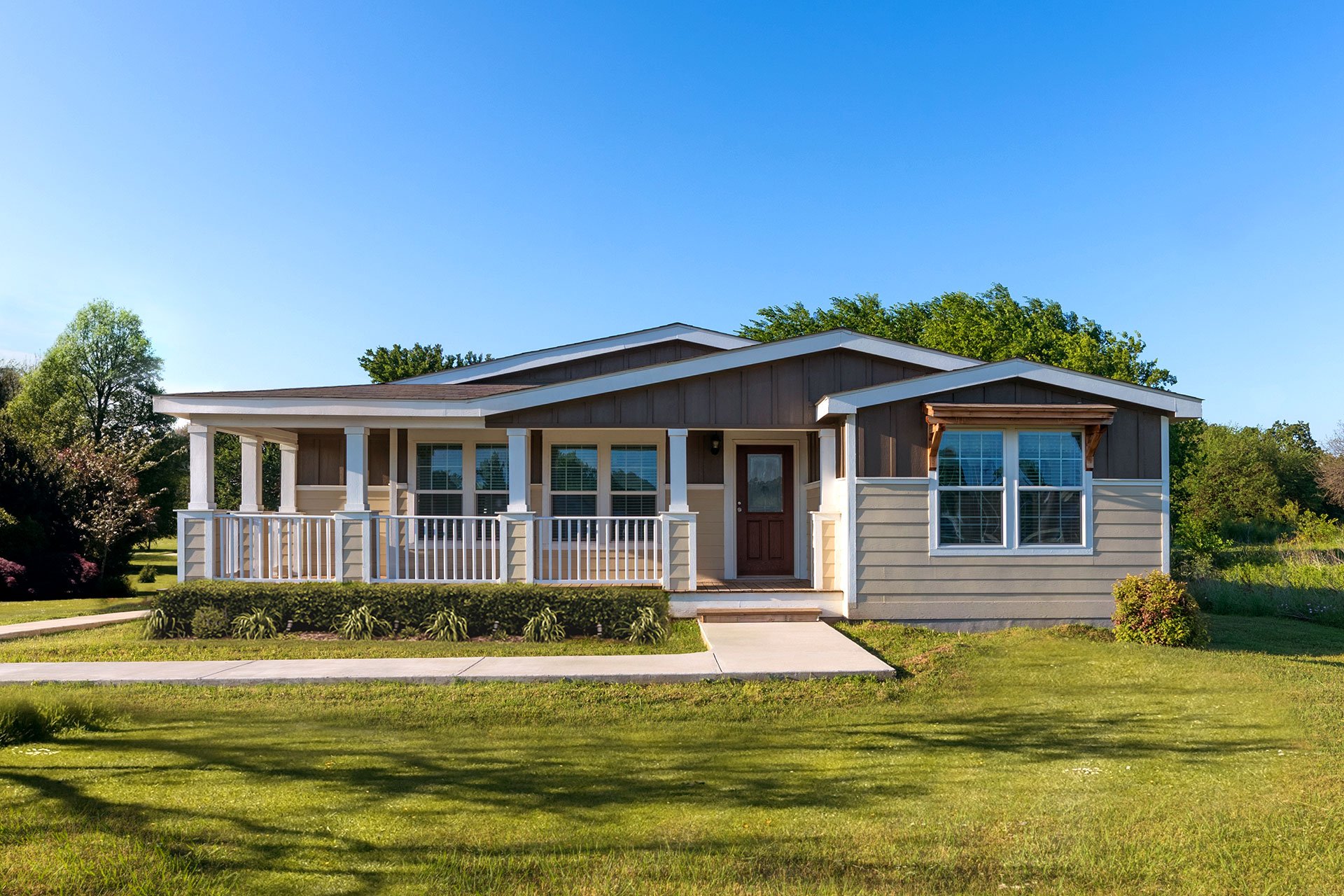
Trailer Homes: A Practical Guide to Affordable Living
Trailer homes can offer a more affordable and flexible alternative to traditional site-built houses. The term is often used casually for factory-built homes, though it can refer to different types of housing. Before buying, it helps to understand the terminology, costs, regulations, and lifestyle considerations involved.
What Is a Trailer Home?
Many people use “trailer home” to describe a manufactured home: a residence built in a factory and transported to a homesite. In the United States, homes built to the federal HUD Code on or after June 15, 1976, are generally classified as manufactured homes. Older factory-built homes are often called mobile homes.
A travel trailer or recreational vehicle is different. It is designed to be towed and used for travel or temporary stays, while a manufactured home is intended to serve as a permanent residence. The distinction can affect building rules, financing, insurance, and where the home may be placed.
Why People Choose Manufactured Homes
One major appeal is cost. Factory construction can make a manufactured home less expensive than a comparable site-built house, although the final price depends on the home’s size, features, delivery, site preparation, and local labor costs. Buyers may also choose from a range of floor plans and finishes.
Manufactured homes can be installed on private land or in a manufactured-home community, depending on local laws and the property’s requirements. Community living may provide shared services or amenities, while owning land can offer greater privacy and control. Each option has its own costs and obligations.
Costs to Consider
The advertised price of a home may not include everything needed to move in. Ask for a complete, itemized estimate that covers:
- Delivery, setup, and installation
- Foundation or support system
- Land purchase or community lot rent
- Site preparation, grading, and drainage
- Utility connections, such as water, sewer, electricity, and gas
- Permits, inspections, and applicable taxes
- Insurance and ongoing maintenance
Lot rent can change over time, so review the community’s lease carefully. If buying land, confirm that the property is suitable for a manufactured home and that the necessary utilities and access are available.
Zoning, Installation, and Financing
Rules for manufactured homes vary by state, county, and city. Zoning may limit where a home can be placed, and local requirements may cover home size, foundation type, setbacks, utilities, and exterior appearance. Check with the local planning or building department before purchasing land or placing an order.
Financing options depend on the home, the land, and how the home is legally classified and installed. A home attached to land and treated as real property may qualify for different loan options than a home on leased land. Speak with lenders who have experience financing manufactured homes, and compare the full loan terms—not just the monthly payment.
How to Evaluate a Home
Compare homes based on construction, energy efficiency, warranty coverage, layout, and the quality of materials and equipment. Request documentation about the home’s construction and installation, and have the site and setup reviewed by qualified professionals. For a pre-owned home, consider an independent inspection and check for water intrusion, roof wear, plumbing or electrical issues, and signs of structural movement.
It is also wise to review the purchase contract, delivery schedule, warranty exclusions, and procedures for addressing defects. Get important promises in writing, including what is included in the quoted price.
Is a Trailer Home Right for You?
A manufactured home may be a good fit for buyers seeking a lower-cost path to homeownership, a customizable layout, or a home that can be placed on a suitable property. The right choice depends on more than the home itself: land costs, local regulations, financing, installation, and long-term plans all matter.
With careful research and a clear understanding of the total cost, a manufactured home can provide comfortable, practical housing. Start by defining your budget and preferred location, then confirm local requirements before making a commitment.
Trailer Home Costs: Prices, Monthly Payments, and Affordability FAQs
- What is the monthly payment on a $100,000 mobile home?
- Is it cheaper to buy a house or a trailer home?
- How much is a trailer home per month?
- Can you buy a mobile home for $10,000?
What is the monthly payment on a $100,000 mobile home?
The monthly payment on a $100,000 mobile or manufactured home depends on your down payment, interest rate, loan term, and financing type. As an illustration, financing the full $100,000 for 20 years at 7% interest would mean a principal-and-interest payment of about $775 per month; taxes, insurance, lot rent, and other fees would be extra. A larger down payment, different loan term, or different rate can change the payment substantially, so compare lender quotes and the full monthly housing cost before buying.
Is it cheaper to buy a house or a trailer home?
A trailer home—often called a manufactured home—usually costs less to purchase than a traditional site-built house, but the total cost depends on more than the home’s price. Delivery, land, site preparation, utility connections, permits, insurance, financing, and lot rent (if applicable) can add significantly to the budget. Compare the full upfront and ongoing costs of both options in your area, and check local zoning and financing requirements before deciding.
How much is a trailer home per month?
The monthly cost of a trailer home depends on its purchase price, down payment, interest rate, loan term, and whether you own the land. A loan payment may range from a few hundred dollars to over $1,500 per month; if the home is in a community, add lot rent, which can vary widely by location. Budget separately for utilities, insurance, property taxes, and maintenance, and ask the seller or lender for a complete estimate of your expected monthly costs.
Can you buy a mobile home for $10,000?
Yes, it may be possible to buy an older used mobile home for around $10,000, especially if it needs repairs or is located in a manufactured-home community. However, that price usually covers only the home—not expenses such as lot rent or land, inspections, repairs, utilities, taxes, or moving and installation. Before buying, check the home’s condition and title, confirm that it can remain where it is or be moved to an approved site, and get estimates for all additional costs.
Related Posts

Discover the Ultimate Freedom with the Travato Camper Van
Exploring the Travato Camper Van Exploring the Travato Camper Van…

Finding Quality Thetford Smart Tote Replacement Parts for Your RV Needs
Thetford Smart Tote Replacement Parts The Ultimate Guide to Thetford…

Unveiling the Luxury of High-End Class A RV Travel
Exploring the Luxury of High-End Class A RVs Exploring the…