
Manufactured Homes: A Practical Guide for Homebuyers
Manufactured homes offer an alternative to traditionally built houses, combining factory construction with a range of floor plans, features, and price points. They can be placed on private land or in a manufactured-home community, depending on local rules and the buyer’s plans. Understanding how these homes are built, sited, and financed can help you decide whether one fits your needs.
What Is a Manufactured Home?
In the United States, a manufactured home is built in a factory to federal construction and safety standards established by the U.S. Department of Housing and Urban Development (HUD). These standards cover areas such as structural design, fire safety, energy efficiency, and transportability. A HUD label and a data plate provide information identifying the home and its compliance.
The term “manufactured home” generally refers to homes built to the HUD Code after June 15, 1976. Older factory-built homes are often called mobile homes, though the terms are sometimes used casually as if they mean the same thing.
Manufactured, Modular, and Site-Built Homes
Factory-built housing comes in several forms. Manufactured homes are built to the federal HUD Code and transported to a site, often on a permanent chassis. Modular homes are also built in sections in a factory, but they must meet the state and local building codes that apply to site-built homes. Site-built houses are constructed primarily at their final location.
These differences can affect installation requirements, financing, insurance, and local approvals. Buyers should confirm how a particular home is classified before making a purchase.
How Manufactured Homes Are Built
Because construction takes place in a controlled factory environment, builders can work through a repeatable process while materials and components are assembled. After construction, the home is transported to its destination, where it is installed and connected to utilities. The exact process varies by model, location, and site conditions.
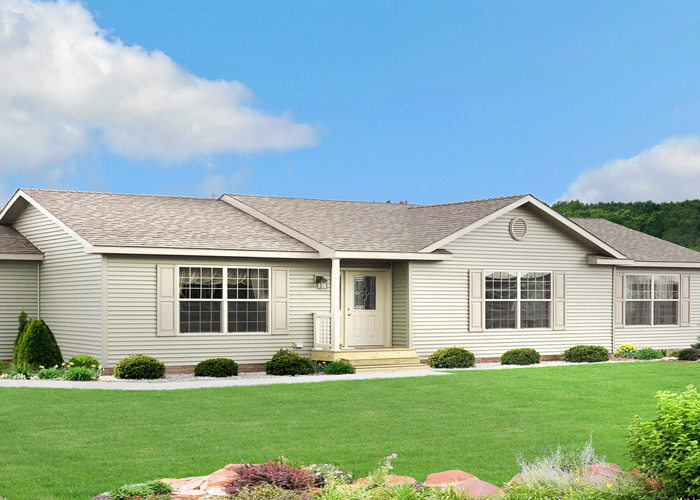
Homes may be single-section or multi-section. Multi-section homes are joined at the site to create a wider layout. Available designs can include open living areas, multiple bedrooms, porches, and other features, depending on the manufacturer and model.
Potential Advantages
- More design choices: Buyers can often select from different layouts, finishes, and optional features.
- Factory construction: Building indoors can make the construction process less exposed to weather than building entirely on site.
- Flexible placement: A home may be placed on owned land or in a community, subject to local requirements and the property’s rules.
- Different size options: Single-section and multi-section homes provide alternatives for a range of household needs.
- Potentially lower purchase price: The home itself may cost less than some comparable site-built homes, though the total cost depends on many factors.
A lower advertised price does not necessarily represent the full cost of moving in. Land, delivery, site preparation, foundation or support systems, utility connections, permits, taxes, insurance, and community fees may add to the budget.
Land, Installation, and Local Rules
Before choosing a home, find out where it can legally be placed. Zoning rules, building permits, property covenants, community policies, and utility requirements can all affect a project. Requirements vary by state, county, and city.
Buyers should also ask what the site needs before delivery. Depending on the property, work may include grading, access-road improvements, drainage, a foundation or anchoring system, and connections for water, electricity, and sewer or septic service. Get written estimates and confirm which services are included in the home’s quoted price.
Financing and Ownership
Financing options for manufactured homes depend on factors such as the home’s age, whether it will be permanently installed, whether the buyer owns the land, and how the home is titled. Some buyers may qualify for a mortgage, while others may need a different type of loan. Requirements vary among lenders.
Before signing a contract, compare loan terms and ask how the home and land will be classified for ownership and financing purposes. It can also be helpful to speak with an insurance provider early, since coverage options and costs may depend on the home, location, installation, and intended use.
What to Check Before Buying
A careful review can help prevent surprises. Consider taking these steps:
- Set a total project budget, including delivery, installation, land, permits, and utility work.
- Confirm that the home’s size and design meet local zoning and community requirements.
- Review the purchase agreement, warranty, delivery terms, and installation responsibilities.
- Ask whether the home includes the features and appliances shown in any display model or advertisement.
- Arrange appropriate inspections and verify that installation will follow applicable requirements.
- Compare financing and insurance options before committing.
Is a Manufactured Home Right for You?
A manufactured home may suit buyers seeking a factory-built housing option with a choice of layouts and placement possibilities. The right decision depends on more than the home’s floor plan or purchase price. Land, local regulations, installation, financing, insurance, and long-term plans all matter.
Researching these details early—and getting costs and responsibilities in writing—can make it easier to compare manufactured homes with other housing options and choose a home that works for your budget and lifestyle.
Essential Tips for Buying and Maintaining Manufactured Homes
- Check local zoning rules before buying.
- Compare total costs, not just the home price.
- Review the warranty and what it covers.
- Inspect the home before closing.
- Ask about land, lot rent, and utility costs.
- Choose a foundation that meets local requirements.
- Confirm financing terms and insurance availability.
- Keep maintenance records and inspect the roof regularly.
Check local zoning rules before buying.
Before buying a manufactured home, check local zoning rules to make sure the property allows that type of home. Requirements can vary by city and county and may cover where the home can be placed, its size, foundation, age, and utility connections. If you plan to live in a manufactured-home community, review its rules as well. Confirm requirements with the local planning or building department before signing a purchase agreement to avoid unexpected costs or delays.
Compare total costs, not just the home price.
When comparing manufactured homes, look beyond the advertised home price and calculate the full cost of getting settled. Include expenses such as land, delivery, site preparation, permits, foundation or anchoring, utility connections, taxes, insurance, and any community or lot fees. Ask the seller which services are included, get estimates for additional work, and compare written quotes so you can budget realistically and avoid unexpected costs.
Review the warranty and what it covers.
Before buying a manufactured home, review the warranty carefully so you know what is covered, how long coverage lasts, and who is responsible for repairs. Check whether protection applies to the home’s structure, appliances, plumbing, and installation, and note any exclusions or maintenance requirements. Ask how to submit a claim, who to contact, and whether labor and replacement parts are included. Keep a copy of the warranty and get any promises or clarifications in writing.
Inspect the home before closing.
Inspect the manufactured home before closing to make sure it matches your purchase agreement and is ready for occupancy. Check the interior and exterior for damage, leaks, unfinished work, and malfunctioning appliances or systems. Confirm that requested features are installed, and review any inspection findings with the seller or builder. Document problems with photos and get written agreements about repairs and completion dates before signing the final paperwork.
Ask about land, lot rent, and utility costs.
Before buying a manufactured home, find out whether the purchase includes land or whether you’ll need to buy or rent a lot. If the home will be in a manufactured-home community, ask about lot rent, what it covers, how often it can change, and whether additional fees apply. Also estimate utility costs and confirm which services—such as water, sewer, electricity, and trash pickup—are available and connected. These expenses can add significantly to your monthly budget, so get details in writing before you commit.
Choose a foundation that meets local requirements.
Choose a foundation that meets local requirements before your manufactured home is delivered. Rules can vary by location and may depend on the home’s design, site conditions, and whether it will be permanently installed. Check with your local building department and work with qualified professionals to confirm the required foundation, anchoring, permits, and inspections. Planning ahead can help prevent delays, added costs, and problems with safety, financing, or insurance.
Confirm financing terms and insurance availability.
Before committing to a manufactured home, confirm your financing terms and insurance options. Loan eligibility and rates can depend on factors such as whether you own the land, how the home will be installed, and how it is titled. Insurance availability and cost may also vary by location, the home’s age, and its installation. Check with lenders and insurance providers early, and get the terms, coverage, and any requirements in writing so you can budget accurately.
Keep maintenance records and inspect the roof regularly.
Keep detailed records of maintenance, repairs, inspections, and warranty work for your manufactured home. These documents can help you spot recurring issues, plan future upkeep, and provide useful information if you sell the home or make an insurance claim. Inspect the roof regularly—especially after severe weather—for loose or damaged materials, worn seals, standing water, or signs of leaks inside. Addressing small problems early can help prevent more costly damage.
Related Posts

Explore Class B Motorhomes for Sale: Your Ticket to Travel Freedom
Class B Motorhomes for Sale The Allure of Class B…

Enhance Your RV Experience with Thor Motor Coach Accessories
Exploring Thor Motor Coach Accessories Exploring Thor Motor Coach Accessories…
Unlock Your Adventure: Explore the World with Holiday Trailer Rentals
Holiday Trailer Rentals The Ultimate Guide to Holiday Trailer Rentals…