
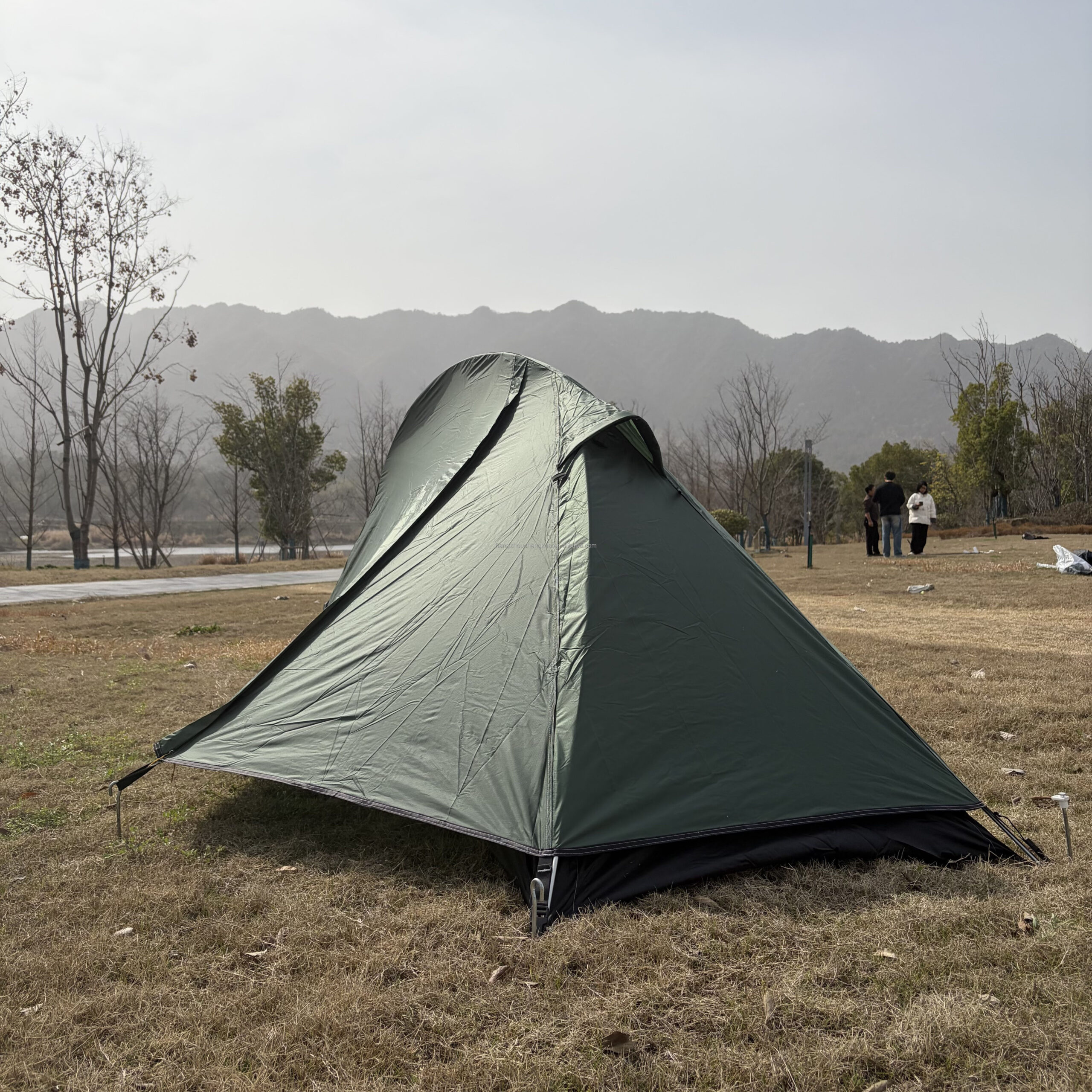
How to Choose a Lightweight Backpacking Tent
A lightweight backpacking tent can make a long hike more comfortable by reducing the weight you carry without giving up essential shelter. The best tent for you depends on where and when you plan to camp, how much space you need, and how much weight you’re willing to carry. Understanding a few key features can help you find a tent that balances comfort, durability, and packability.
What Counts as a Lightweight Tent?
There’s no single weight that defines a lightweight backpacking tent. Ultralight models are designed to minimize every ounce, while other backpacking tents include sturdier materials or more room and weigh a little more. When comparing options, check the packed weight and the trail weight. Packed weight includes items such as the stuff sack and stakes; trail weight typically reflects the parts you’re likely to carry and use.
Also consider the total shelter system. A tent may require a separate footprint, stakes, or trekking poles, so those items can add to the weight in your pack.
Choose the Right Capacity
Tent capacity usually refers to how many people can sleep inside, not how spacious the tent will feel. A two-person tent may fit two hikers closely, with limited room for gear. If you prefer extra space or expect to spend time inside during bad weather, consider a larger model—or compare the floor dimensions and peak height before choosing.
Think about where your packs and wet gear will go, too. A tent with one or more vestibules gives you covered storage outside the sleeping area, helping keep the interior less cluttered.
Understand Tent Designs
- Freestanding tents use poles to hold their shape and can be easier to position on firm or rocky ground. They still need to be staked or secured properly in windy conditions.
- Non-freestanding tents rely on stakes, guylines, or trekking poles for support. They can be lighter and compact, but require suitable ground and careful pitching.
- Single-wall tents use one main layer of fabric, which can reduce weight and setup complexity. Ventilation and condensation management are especially important.
- Double-wall tents combine an inner tent with a separate rainfly. This design can help manage moisture while offering flexibility in fair weather.
Consider Weather Protection and Ventilation
Match your tent to the conditions you expect to encounter. Look at the rainfly coverage, floor construction, seams, and available guylines. A tent suited to mild summer trips may not provide the protection or stability needed for exposed, windy locations or colder seasons.
Ventilation matters in any weather. Mesh panels, vents, and adjustable openings can help reduce condensation, though no tent can eliminate it entirely. Choose a suitable campsite, keep vents open when conditions allow, and avoid storing damp clothing inside when possible.
Balance Weight with Durability
Lightweight tents often use thinner fabrics and smaller components to save weight. These materials can work well when handled carefully, but they may be more vulnerable to abrasion or damage than heavier alternatives. Consider the terrain you hike, how frequently you camp, and how much maintenance you’re comfortable doing.
A groundsheet or footprint can help protect the tent floor, although it adds weight. Clear the campsite of sharp debris and avoid dragging the tent across rough surfaces. Follow the manufacturer’s care instructions to help extend the life of your shelter.
Practice Before Your Trip
Set up your tent at home before taking it into the backcountry. Practice pitching it in daylight, learn how the poles and guylines fit together, and check that all parts are included. A trial setup can also reveal whether the interior has enough room for you and your gear.
For a more accurate idea of how the tent will feel on the trail, pack it with the stakes, poles, and any accessories you plan to bring. Weigh the complete setup and compare it with the rest of your backpacking gear.
Make Your Choice
The ideal lightweight backpacking tent is not simply the one with the lowest listed weight. It’s the shelter that fits your trip, offers appropriate weather protection, and feels comfortable enough to use night after night. Compare total system weight, capacity, setup style, ventilation, and durability—and choose the tent that best supports the adventures you have planned.
8 Essential FAQs for Choosing the Perfect Lightweight Backpacking Tent
- What is considered a lightweight backpacking tent?
- How much should a lightweight backpacking tent weigh?
- What is the difference between trail weight and packed weight?
- Should I choose a one-person or two-person backpacking tent?
- Are freestanding or trekking-pole tents better for backpacking?
- How do I choose a lightweight tent for rainy or windy conditions?
- Do I need a footprint for my backpacking tent?
- How can I reduce condensation inside a lightweight backpacking tent?
What is considered a lightweight backpacking tent?
A lightweight backpacking tent generally weighs about 1 to 3 pounds per person, though definitions vary by design and intended use. Ultralight models may weigh less, while roomier or more durable tents can weigh more. Compare the trail weight—the tent components you’ll carry and use—and remember to include essentials such as stakes, poles, and a footprint when estimating the full shelter weight.
How much should a lightweight backpacking tent weigh?
A lightweight backpacking tent typically weighs about 2 to 4 pounds for a two-person model, though ultralight options can weigh less and sturdier tents may weigh more. When comparing tents, check both the packed weight and trail weight, and include the weight of stakes, poles, and any footprint you plan to carry. The right choice depends on your comfort, durability, and weather-protection needs—not just the number on the scale.
What is the difference between trail weight and packed weight?
Trail weight is the weight of the tent components you’ll typically carry and use on the trail, such as the tent body, rainfly, and poles. Packed weight includes everything that comes with the tent, often including the stuff sack, stakes, guylines, and repair kit. Since the exact definitions can vary by brand, check what’s included in each figure—and weigh any extra items you plan to bring for the most accurate estimate of your shelter’s total pack weight.
Should I choose a one-person or two-person backpacking tent?
Choose a one-person backpacking tent if minimizing weight and pack size is your top priority and you’re comfortable with a snug sleeping area. A two-person tent is a better choice if you want extra room for gear, prefer more space to move, or may share the tent with another person; keep in mind that two people may fit closely, so check the floor dimensions before buying. If you hike solo but value comfort, compare the weight difference and consider whether the added space is worth carrying.
Are freestanding or trekking-pole tents better for backpacking?
Freestanding and trekking-pole tents each suit different backpacking needs. Freestanding tents are often easier to pitch and reposition, making them a convenient choice on rocky or compact ground, though they may weigh more and still need stakes or guylines for stability in wind. Trekking-pole tents can save weight by using poles you already carry, but they depend on secure stake placement and may take more practice to pitch. Choose based on your routes, expected weather, campsite conditions, and whether low weight or easy setup matters more to you.
How do I choose a lightweight tent for rainy or windy conditions?
To choose a lightweight tent for rainy or windy conditions, look for a model designed for the weather and terrain you expect, with a full-coverage rainfly, sealed seams, a durable waterproof floor, and strong poles or a stable, well-braced frame. For wind, prioritize a low-profile shape, secure guy-out points, and a reliable pitching system; practice setting it up taut and use all recommended stakes and guylines. Check ventilation to help manage condensation, and remember that site selection matters: camp on sheltered, level ground away from exposed ridges and drainage channels. Compare the complete shelter weight—including poles, stakes, and any footprint—so you can balance weather protection with the load you’re willing to carry.
Do I need a footprint for my backpacking tent?
A footprint isn’t always necessary, but it can help protect your backpacking tent’s floor from abrasion, punctures, and moisture—especially on rocky or rough ground. Check your tent maker’s recommendations first, since some tents have durable floors or require a specific footprint for warranty coverage. If you use one, make sure it fits beneath the tent rather than extending beyond its edges, where it could collect rainwater. A lightweight groundsheet can be an alternative, though it adds weight and should be sized carefully.
How can I reduce condensation inside a lightweight backpacking tent?
To reduce condensation inside a lightweight backpacking tent, choose a well-ventilated campsite and keep vents or mesh panels open when conditions allow. Avoid pitching near water or in low, damp areas, and try not to bring wet clothing or gear inside. Wipe moisture from the tent walls with a small cloth in the morning, and use a rainfly setup that allows airflow without exposing the interior to rain. Condensation can’t always be prevented—especially in cool, humid weather—but good ventilation and campsite selection can help limit it.
Related Posts
How to Choose the Best Backpacking Tent for Your Outdoor Adventures
How to Choose the Right Backpacking Tent A backpacking tent…