
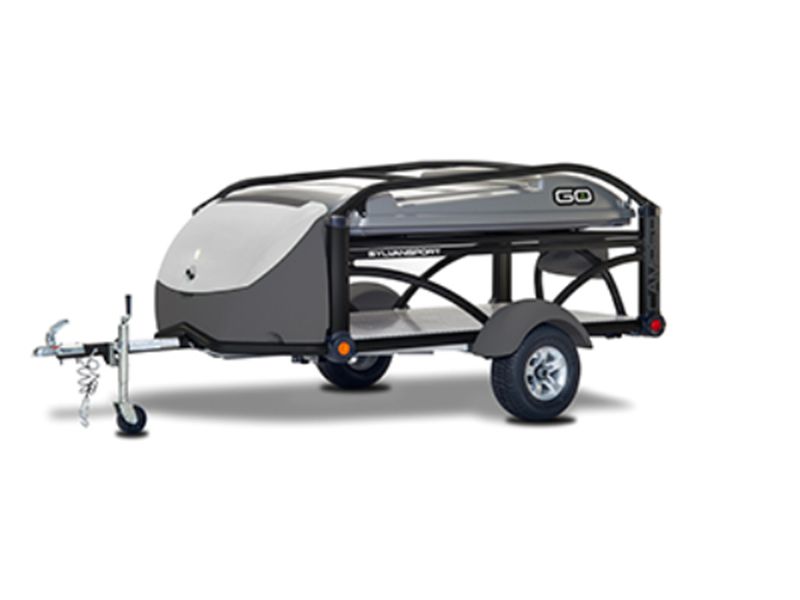
Pop Out Campers: A Flexible Way to Explore the Outdoors
A pop out camper offers a practical middle ground between a compact travel trailer and a larger RV. Its expandable sections create extra sleeping or living space when parked, while its more compact design can make storage and towing easier than with some full-size trailers. For campers who want room to spread out without hauling a large RV, a pop out camper may be worth considering.
What Is a Pop Out Camper?
“Pop out camper” can refer to more than one type of RV. A pop-up camper folds down for travel and expands at the campsite, often using canvas or other flexible fabric for its sides. A hybrid travel trailer has a hard-sided body with one or more fold-out sleeping areas, commonly at the front, rear, or side.
Both designs gain usable space by expanding after arrival. The right style depends on how much comfort, weather protection, storage, and ease of towing you want.
Benefits of a Pop Out Camper
- More room at camp: Expandable beds or sections can provide extra sleeping space without requiring a much longer trailer.
- Compact travel size: Many models are easier to store and maneuver than larger RVs, though towing requirements vary.
- Flexible layouts: Some campers offer separate sleeping areas, dining space, and basic kitchen amenities.
- A closer connection to the outdoors: Fabric-sided pop-up designs can feel open and airy, especially in mild weather.
- Options for different budgets: Models range from simple, lightweight campers to more fully equipped hybrid trailers.
Things to Consider Before Buying
Expandable space comes with a few trade-offs. Fabric-sided areas may provide less insulation and sound protection than hard walls. They can also require extra care to stay clean and dry. Before folding a camper for travel, make sure all fabric and surfaces are dry according to the manufacturer’s instructions to help prevent mildew.
Setup is another consideration. Raising a pop-up camper or securing fold-out sections takes time, and the process can feel less convenient than parking a fully hard-sided trailer. Check how the camper opens and closes before you buy, and consider whether you can manage the setup comfortably.
Also think about storage and amenities. A smaller camper may have limited cabinet space, water capacity, or bathroom facilities. If you plan to camp in cold, hot, or wet conditions, compare insulation, heating, ventilation, and weather-protection features carefully.
Choosing the Right Pop Out Camper
Start by deciding how many people will use the camper and how you plan to travel. A couple taking occasional weekend trips may prefer a lightweight pop-up model. Families or travelers seeking more hard-sided interior space may find a hybrid travel trailer a better fit.
Before making a decision, consider these questions:
- How many people need a comfortable place to sleep?
- What is the towing capacity of your vehicle, and what is the camper’s loaded weight?
- Will you mostly stay at developed campgrounds or travel to more remote sites?
- Do you need a bathroom, kitchen, heating, or air conditioning?
- Where will you store the camper when it is not in use?
- How much time and effort are you comfortable spending on setup and maintenance?
Always check your vehicle’s towing limits and the camper’s weight specifications. Account for passengers, cargo, water, and accessories, and review the manufacturer’s guidance. A professional inspection can also help you evaluate a used camper’s structure, roof, seals, appliances, tires, and expansion mechanisms.
Care and Maintenance
Regular care can help keep a pop out camper ready for the next trip. Inspect seals, latches, hinges, support systems, and fabric for wear or damage. Clean and dry fabric as recommended, and check for leaks after heavy rain. Before traveling, confirm that every expandable section is fully secured and that loose items are stowed.
For a used model, pay close attention to water damage, soft spots, stains, odors, and signs of mold. Test appliances and inspect the electrical and plumbing systems when possible. Following the owner’s manual and keeping up with routine maintenance can help reduce surprises on the road.
Is a Pop Out Camper Right for You?
A pop out camper can be a smart choice for travelers who want extra sleeping or living space in a relatively compact package. It may be especially appealing for weekend trips, family camping, and RV owners who value a smaller travel footprint. The best fit depends on your towing vehicle, travel style, preferred amenities, and the conditions in which you plan to camp.
Compare pop-up campers and hybrid travel trailers side by side, inspect the setup process, and make sure the camper suits both your trip plans and your tow vehicle. With the right match, a pop out camper can make it easier to enjoy comfortable, flexible adventures on the road.
6 Essential Pop-Up Camper Tips for Safe Setup, Towing, and Storage
- Level the camper before opening it.
- Check for low branches and overhead wires.
- Secure all latches before towing.
- Keep canvas dry before folding it away.
- Use wheel chocks when parked.
- Inspect tires and hitch before each trip.
Level the camper before opening it.
Before opening a pop out camper, park on a firm, level surface and use leveling blocks as needed. Leveling the camper first helps the expandable sections extend smoothly, keeps doors and appliances working properly, and reduces strain on the frame and support mechanisms. Check the camper’s level from side to side and front to back, then secure it according to the manufacturer’s instructions before opening the pop outs.
Check for low branches and overhead wires.
Before driving or setting up your pop out camper, check for low-hanging branches and overhead wires. Branches can scrape the roof or damage expandable sections, while power lines pose a serious safety hazard. Allow extra clearance when choosing a campsite and opening the camper, and never park or raise it beneath electrical wires.
Secure all latches before towing.
Before towing your pop out camper, check that every latch is fully closed and secured, including latches on expandable sections, doors, storage compartments, and roof components. A loose latch can allow parts to shift or open while you’re on the road, potentially causing damage or creating a hazard. Follow the manufacturer’s pre-trip checklist and give each latch a final check before driving.
Keep canvas dry before folding it away.
Before folding away your pop out camper, make sure the canvas is completely dry. Storing it while damp can encourage mildew, cause unpleasant odors, and damage the fabric over time. If rain or morning dew leaves the canvas wet, let it air-dry fully before packing up; if you must fold it damp, reopen the camper as soon as possible and dry the canvas thoroughly.
Use wheel chocks when parked.
Use wheel chocks whenever your pop out camper is parked to help prevent it from rolling, especially on sloped or uneven ground. After positioning the camper, place the chocks snugly against the tires before unhitching or setting up. Choose chocks that fit your tire size, and follow the camper manufacturer’s safety instructions for a stable campsite.
Inspect tires and hitch before each trip.
Before each trip, inspect your pop-out camper’s tires and hitch to help ensure a safer journey. Check tire pressure when the tires are cold, look for cracks, bulges, or uneven wear, and confirm the tires are within their load rating. Make sure the hitch is properly connected and locked, safety chains are attached, and all electrical and breakaway connections are secure. A quick check before you leave can help catch problems before they become roadside trouble.
Related Posts
Exploring the Ultimate Luxury: The Super Class C RV Experience
The Super Class C RV: A Luxurious and Spacious Home…
Finding Quality Camper Parts Near Me: Your Guide to RV Maintenance and Upgrades
Camper Parts Near Me Exploring the World of Camper Parts…
The Ultimate Guide to Finding the Best Way to Rent an RV for Your Next Adventure
The Best Way to Rent an RV for Your Next…