
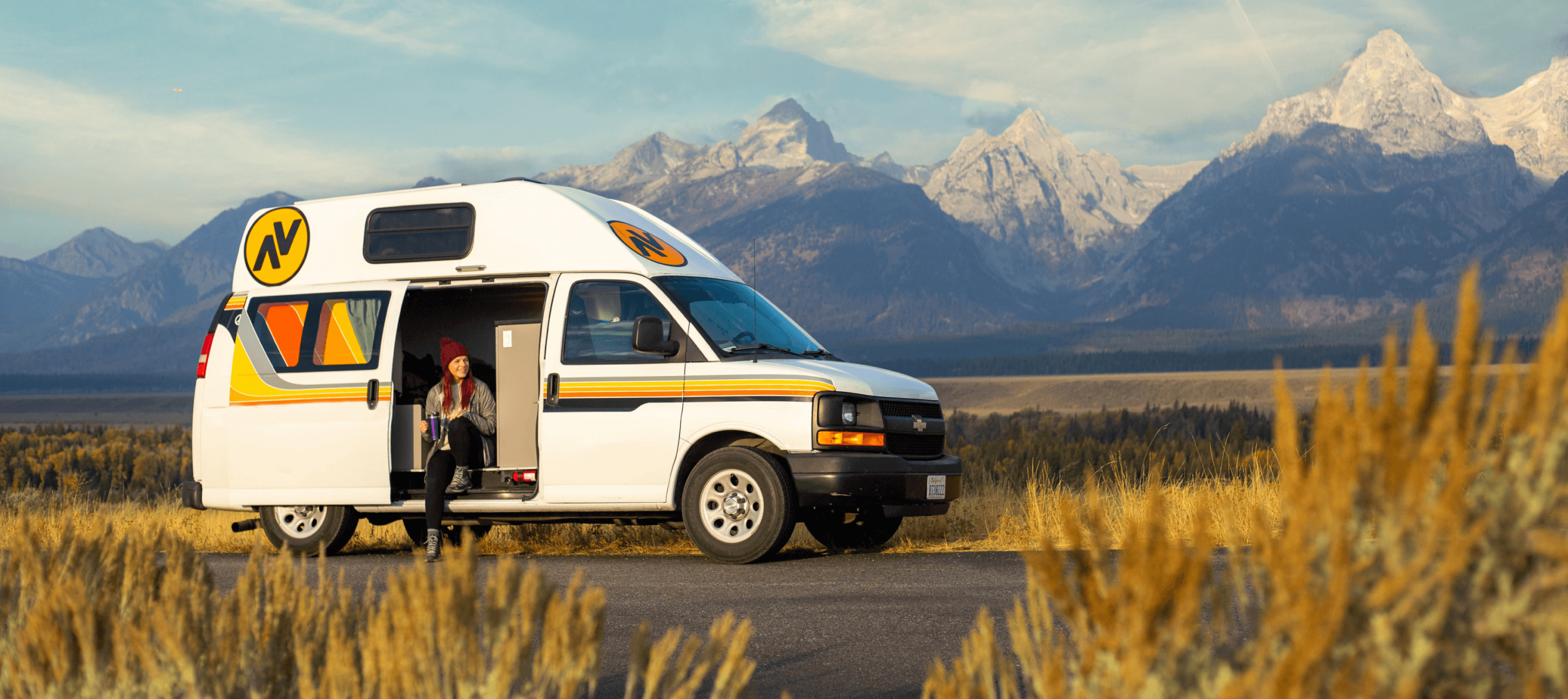
Campervan Rental: A Flexible Way to Explore
Campervan rental offers the freedom to travel at your own pace while bringing many of the comforts of home along for the ride. Instead of booking a hotel in every destination, you can drive between scenic stops, spend more time outdoors, and make changes to your itinerary as you go. Whether you’re planning a weekend getaway or a longer road trip, renting a campervan can make the journey part of the adventure.
What Is a Campervan?
A campervan is a vehicle adapted for travel and overnight stays. Depending on the model, it may include a bed, kitchenette, storage, and other convenient features. Some campervans are compact and easy to drive, while larger models offer more room for passengers and gear.
Features vary by rental, so check the vehicle description before booking. A kitchenette, refrigerator, bathroom, heating, air conditioning, and roof space may or may not be included. Confirm how many people the vehicle can legally carry and how many it can comfortably sleep.
Why Rent a Campervan?
- Travel on your schedule: Spend more time at places you enjoy and adjust your route when plans change.
- Combine transportation and lodging: Your vehicle and sleeping space travel with you.
- Reach outdoor destinations: A campervan can be a convenient base for visiting parks, beaches, and other nature destinations.
- Bring your essentials: Pack clothing, food, and recreational gear without moving everything between hotels.
Campervan travel isn’t the right fit for every trip. You’ll need to plan for parking, campsite availability, fuel, and the extra time that driving a larger vehicle may require. Consider your route and travel style before deciding.
How to Choose the Right Campervan
Start by thinking about who is traveling and what you’ll need on the road. A smaller van may be a good choice for one or two travelers who value maneuverability. Families or groups may need more sleeping space and storage. If you plan to cook, look for a vehicle with the kitchen equipment you expect to use.
Before reserving, review the rental listing and ask about:
- Number of seat belts and sleeping spaces
- Kitchen and bathroom facilities
- Included bedding, cookware, and other supplies
- Vehicle height, length, and driving requirements
- Mileage limits and fees for extra miles
- Pickup and return hours, locations, and procedures
- Roadside assistance and what to do in an emergency
Understand the Rental Costs
The advertised daily rate is only one part of the total cost. Your rental may also involve taxes, a cleaning fee, mileage charges, insurance or protection options, generator use, or fees for optional equipment. Fuel, campground reservations, tolls, and parking can add to your trip budget as well.
Read the rental agreement carefully before booking. Pay particular attention to the cancellation policy, security deposit, mileage allowance, and rules about pets, smoking, and travel on unpaved roads. If anything is unclear, ask the rental provider to explain it before you pay.
Plan Your Route and Campsites
Build a route that leaves room for breaks and unexpected discoveries. Driving a campervan can take longer than driving a car, especially on narrow roads, steep grades, or in busy areas. Check height and length restrictions along your route, and make sure any destination or parking area can accommodate your vehicle.
Research overnight options before you set out. Campgrounds and RV parks may offer facilities such as restrooms, showers, hookups, or dump stations, but amenities vary. Make reservations when needed, particularly during busy travel seasons. Always follow local rules about overnight parking and camping.
What to Pack
Find out what the rental includes so you don’t bring unnecessary items. Useful things to consider packing include comfortable clothing, weather-appropriate layers, toiletries, reusable water bottles, chargers, and any personal medications. If cooking is part of your plan, check whether cookware and utensils are provided.
Keep frequently used items easy to reach, and avoid overpacking. Storage space in a campervan is limited, and keeping the living area organized makes the trip more comfortable.
Before You Drive Away
Give yourself time to inspect the vehicle and learn how it works. Photograph any existing damage and make sure it’s recorded on the rental documents. Ask for a walkthrough of the vehicle’s equipment, including any appliances, water systems, power connections, and safety features.
Adjust your mirrors, familiarize yourself with the vehicle’s dimensions, and take a short drive in a low-traffic area if possible. Drive cautiously, allow extra space for braking, and check overhead clearance before entering garages or covered areas.
Make the Most of Your Campervan Trip
A successful campervan trip balances planning with flexibility. Choose a vehicle that suits your group, understand the full rental terms, and prepare for the practical details of driving and camping. With the right preparation, campervan rental can make it easier to explore new places and enjoy the journey along the way.
8 Essential Tips for a Smooth Campervan Rental Experience
- Compare rental prices, mileage limits, and fees.
- Book early for peak travel seasons.
- Check what insurance coverage is included.
- Inspect the campervan and document any damage.
- Confirm pickup, return, and cleaning requirements.
- Pack compactly to save limited storage space.
- Plan fuel stops and overnight parking ahead.
- Keep emergency contacts and roadside assistance details handy.
Compare rental prices, mileage limits, and fees.
Before booking a campervan, compare more than the advertised daily rate. Check what’s included, such as mileage, insurance, and roadside assistance, and find out whether extra miles incur a charge. Review additional costs like cleaning fees, deposits, optional equipment, and late-return fees so you can estimate the total price and choose the rental that best fits your trip and budget.
Book early for peak travel seasons.
Book your campervan early if you’re traveling during a peak season, such as summer, a holiday weekend, or school vacation. Popular models and pickup dates can fill up quickly, especially near major parks and tourist destinations. Reserving ahead gives you more options and time to compare prices, vehicle features, and rental terms.
Check what insurance coverage is included.
Before booking a campervan, check exactly what insurance coverage is included in the rental price. Review whether it covers damage to the vehicle, theft, and liability for damage or injuries to others, and note the deductible you may have to pay if something happens. Also look for exclusions, such as damage to tires, the windshield, the roof, or the vehicle’s interior. If the coverage is unclear or doesn’t meet your needs, ask the rental provider about available options before your trip.
Inspect the campervan and document any damage.
Before driving away, inspect the campervan inside and out, including the windshield, tires, bodywork, windows, and interior fixtures. Take clear, time-stamped photos or video of any scratches, dents, stains, or other issues, and make sure the rental provider records them on the check-in form. Keeping a copy of the documentation can help prevent misunderstandings about pre-existing damage when you return the vehicle.
Confirm pickup, return, and cleaning requirements.
Before booking your campervan, confirm the pickup and return times, locations, and procedures so you can plan your travel days without surprises. Ask how much time to allow for the vehicle handover and whether late returns incur extra fees. Review the cleaning requirements, too: some rentals expect you to return the campervan tidy, empty waste tanks, or clean the kitchen, while others offer a cleaning service for an additional charge. Knowing what’s expected in advance can help you avoid unexpected costs and make checkout easier.
Pack compactly to save limited storage space.
Pack compactly to make the most of your campervan’s limited storage space. Choose versatile clothing, use packing cubes or soft-sided bags, and bring only the essentials. Before you leave, check what supplies are already included in the rental so you don’t pack duplicates. Keeping belongings organized and easy to stow can make your campervan more comfortable and help you find what you need on the road.
Plan fuel stops and overnight parking ahead.
Plan your fuel stops and overnight parking before you hit the road, especially when traveling through rural areas where gas stations and campgrounds may be far apart. Check your campervan’s fuel range, look for stations that can accommodate its size, and reserve campsites when possible. For overnight stays, confirm parking rules and amenities in advance, and never assume that a parking lot allows camping. A little planning can help you avoid stressful detours and end each day with a safe place to rest.
Keep emergency contacts and roadside assistance details handy.
Before you set off, save your rental company’s phone number, roadside assistance contact, and emergency services information in your phone, and keep a written copy somewhere easy to reach. If you experience a breakdown, flat tire, or other issue, having these details handy can help you get assistance quickly. Make sure you understand what your rental agreement covers and follow the provider’s instructions in an emergency.
Related Posts
Discover Quality and Savings: Used Super C Motorhomes for Sale Now Available
Used Super C Motorhomes for Sale Exploring the World in…
Discover the Ultimate Adventure with the View Class C RV
Exploring the View Class C RV Exploring the View Class…
Exploring the World of Thetford Replacement Parts: A Comprehensive Guide
The Ultimate Guide to Thetford Replacement Parts The Ultimate Guide…