
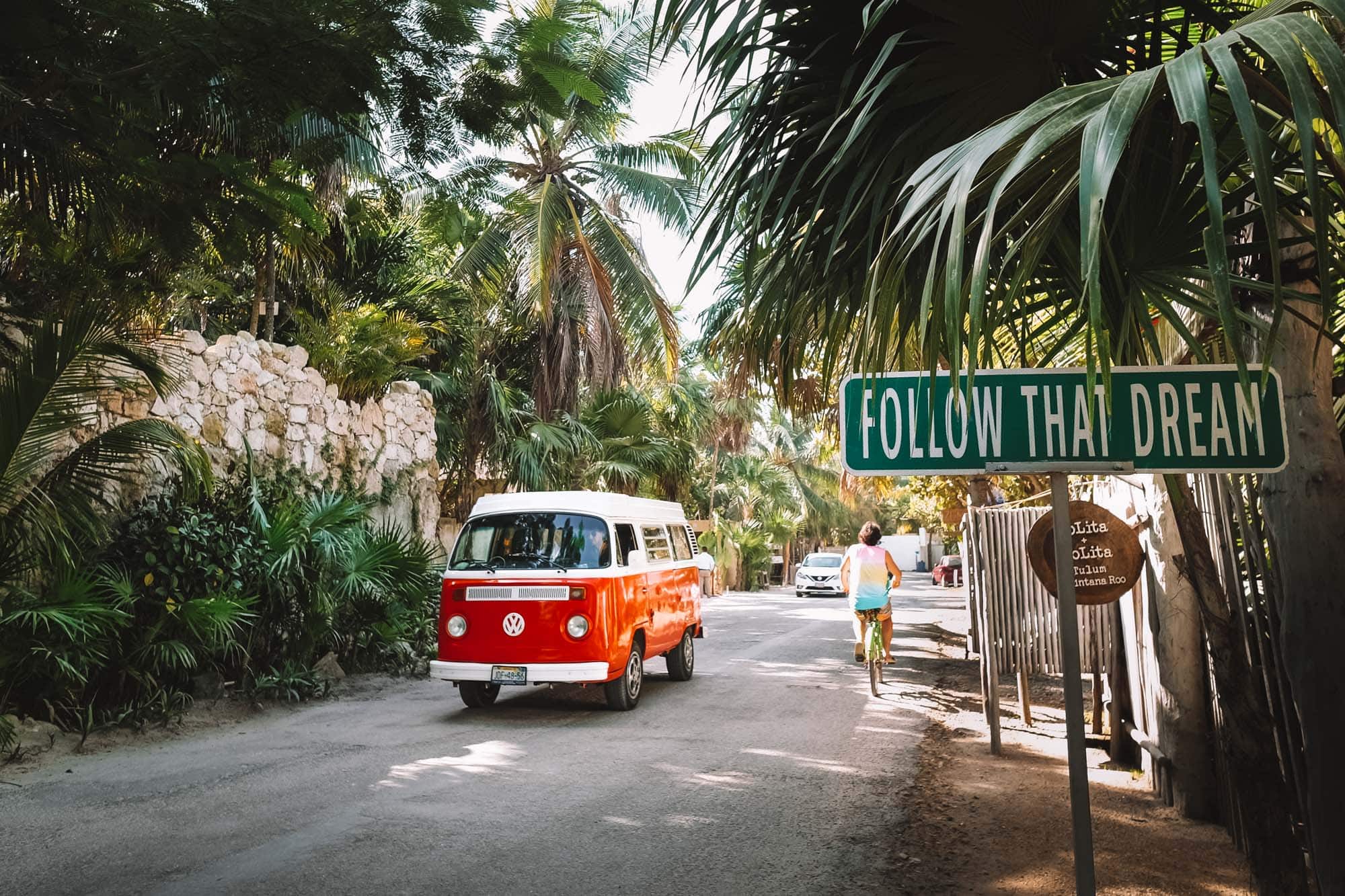
How to Plan a Memorable Road Trip
A road trip is more than a way to get from one place to another. It’s a chance to explore at your own pace, take the scenic route, discover unexpected stops, and make memories along the way. With a little planning—and room for spontaneity—you can make the journey just as rewarding as the destination.
Choose a Route That Fits Your Travel Style
Start with a destination, then think about how you want to get there. Do you prefer a direct drive with a few planned stops, or a slower route with time for small towns, hiking trails, and scenic overlooks? Map out the main parts of your trip, but leave some flexibility in your schedule. An interesting roadside attraction or a beautiful stretch of highway might be worth an unplanned stop.
Before setting out, check driving times, road conditions, construction updates, and seasonal closures. If your route passes through remote areas, plan fuel stops in advance and make sure you know where you can find food, lodging, and cell service.
Prepare Your Vehicle
A reliable vehicle can make a big difference on a long drive. Check the tires, lights, brakes, windshield wipers, and fluid levels before departure. Make sure your spare tire and roadside emergency supplies are in good condition, too. If you’re renting or traveling in an RV, take time to learn how the vehicle handles and understand its height, length, and parking requirements.
Keep essential documents and emergency contacts easy to find. A roadside kit with items such as a flashlight, first-aid supplies, jumper cables, water, and a phone charger can also be helpful.
Pack for Comfort and Convenience
Pack according to the weather, your activities, and the length of your trip. Keep frequently used items—such as snacks, water, sunglasses, and maps—within easy reach. A small bag for overnight essentials can save you from unpacking the whole vehicle at every stop.
For a more comfortable ride, bring layers of clothing, comfortable shoes, and entertainment for passengers. Download playlists, audiobooks, or podcasts before leaving, especially if you expect to travel through areas with limited reception.
Make the Drive Part of the Adventure
Some of the best road-trip memories happen between destinations. Stop at local cafés, explore a state park, visit a farmers market, or take a short walk at a scenic viewpoint. Talking with locals can also lead to recommendations you might not find in a guidebook.
At the same time, be realistic about how much you can cover in one day. Frequent breaks help drivers stay alert and give everyone a chance to stretch. Share driving responsibilities when possible, and pull over somewhere safe if you feel tired.
Travel Responsibly
Help keep the places you visit enjoyable for everyone. Follow posted rules, respect wildlife, use designated parking and trails, and pack out your trash. When stopping in small communities, be considerate of local residents and businesses.
Enjoy the Journey
A successful road trip doesn’t have to go exactly according to plan. Weather, traffic, and unexpected detours are part of traveling. Build in extra time, stay flexible, and focus on the experiences along the way. With a thoughtful route, a prepared vehicle, and a sense of adventure, the open road can turn an ordinary getaway into a trip worth remembering.
Road Trip FAQs: Spelling, Meaning, and Duration
- Is it spelled roadtrip or road trip?
- How long is a roadtrip?
- Is it road trip or road trip?
- What does roadtrip mean?
- What is called road trip?
Is it spelled roadtrip or road trip?
The standard spelling is “road trip,” as two words. For example, you might say, “We’re planning a road trip this summer.” “Roadtrip” appears occasionally as an informal or stylized spelling, but it’s generally best to use “road trip” in standard American English.
How long is a roadtrip?
A road trip can last anywhere from a few hours to several weeks, depending on your destination, route, and travel style. A weekend getaway might involve a couple of days on the road, while a cross-country adventure could take one or two weeks—or longer if you plan to make frequent stops. When estimating your trip, consider daily driving time, rest breaks, overnight stays, and time for sightseeing. Planning a flexible schedule can help keep the journey enjoyable rather than rushed.
Is it road trip or road trip?
The correct spelling is “road trip”—two words. Use it as a noun when referring to a journey by car, such as “We’re planning a road trip this summer.” “Road-trip” may be hyphenated when used as a modifier before a noun, as in “road-trip playlist,” though style guides may vary.
What does roadtrip mean?
A road trip is a journey made by road, usually by car, where the travel itself is part of the adventure. It often involves visiting multiple places, taking scenic routes, and stopping along the way to explore, eat, or relax. Road trips can last a few hours or span several days, and they offer the freedom to travel at your own pace.
What is called road trip?
A road trip is a journey taken by car, RV, or another road vehicle, usually over a longer distance and often for pleasure. Travelers may plan stops along the route to visit attractions, explore different places, or enjoy the scenery, making the journey itself part of the experience.
Related Posts

Exploring the Road Less Traveled: Unveiling the Allure of Used Class B Motorhomes
The Allure of Used Class B Motorhomes Class B motorhomes,…

Embrace the Freedom: Motorhome Adventures Await!
Motorhome Adventures The Thrill of Motorhome Adventures Embarking on a…

Exploring America: Coast-to-Coast RV Adventures
Coast-to-Coast RV Trips The Ultimate Adventure: Coast-to-Coast RV Trips Embark…