
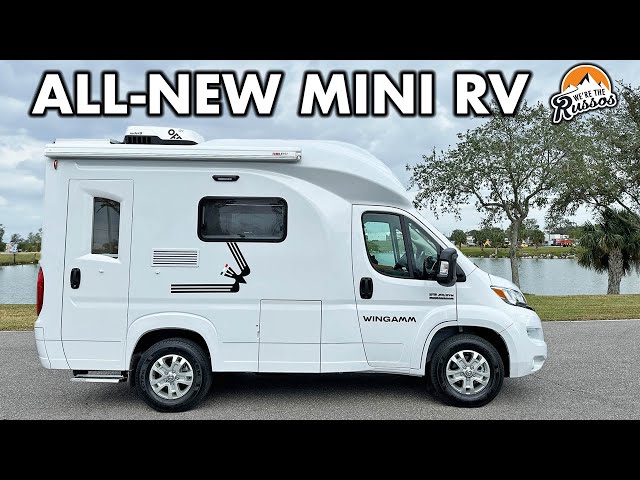
RV Campers for Sale: Find the Right Camper for Your Next Adventure
Shopping for RV campers for sale is the first step toward more flexible, comfortable travel. Whether you’re planning weekend getaways, family road trips, or extended stays on the road, the right camper can make it easier to explore at your own pace. With a wide range of sizes, layouts, and features available, it helps to know what to look for before you buy.
Explore Different Types of RV Campers
RV campers come in several styles, each suited to different travel plans and towing setups:
- Travel trailers: Towable campers available in a variety of sizes and floor plans. They can be detached at a campground while you use your vehicle for local trips.
- Fifth wheels: Larger towable RVs that connect to a special hitch in the bed of a pickup truck. They often offer spacious living areas and added storage.
- Pop-up campers: Lightweight, compact options that fold down for easier towing and storage, with sleeping and living space that expands at the campsite.
- Truck campers: Units designed to fit in a pickup truck bed, offering a compact setup for travelers who value mobility and access to smaller campsites.
- Motorhomes: Self-propelled RVs that combine transportation and living space. They range from compact models to larger coaches with more amenities.
Choose a Camper That Fits Your Travel Style
Start by thinking about how and where you plan to travel. A lightweight camper may be a good fit for short trips or smaller tow vehicles, while a larger model could offer extra room for extended stays. Consider how many people will travel with you, how often you’ll use the camper, and whether you’ll visit developed campgrounds, national parks, or more remote destinations.
Floor plan matters, too. Look at the sleeping arrangements, kitchen space, bathroom setup, seating, and storage. A layout that works well for a couple may not be as practical for a family. If possible, walk through the camper and imagine how you’ll use each area during a typical trip.
Check Your Towing Capacity and Budget
Before choosing a towable RV, confirm that your vehicle can safely tow it. Check the vehicle manufacturer’s towing limits and consider the camper’s loaded weight—not just its dry weight. Passengers, gear, water, and supplies can add significant weight. If you’re unsure, consult a qualified dealer or vehicle professional.
Set a budget that includes more than the purchase price. You may also need to account for insurance, registration, maintenance, storage, campground fees, and equipment such as a hitch or towing mirrors. For a used camper, leave room in your budget for repairs or upgrades that may be needed over time.
What to Look for When Buying
When comparing RV campers for sale, inspect the overall condition and ask for maintenance records when available. For a used RV, check for signs of water intrusion, soft spots in floors or walls, damaged seals, unusual odors, and worn tires. Test appliances and systems, including the refrigerator, stove, air conditioner, plumbing, electrical components, and slide-outs.
Ask questions about the camper’s history, included equipment, warranty coverage, and any known issues. A professional inspection can help identify problems that aren’t obvious during a quick walkthrough. For a new model, review the manufacturer’s warranty and make sure you understand what it covers.
Find the Right RV Camper
The best camper is one that fits your vehicle, budget, travel plans, and comfort needs. Take time to compare models, review specifications, and ask questions before making a decision. Explore the available options at CampersParadiseRV and take the next step toward planning your journeys on the open road.
Essential FAQs About Buying RV Campers: Types, Costs, and Considerations
- What types of RV campers are available for sale?
- How much do RV campers typically cost?
- Should I buy a new or used RV camper?
- What should I inspect when buying a used RV camper?
- How do I choose the right RV camper for my family and travel plans?
- Can my vehicle tow the RV camper I’m considering?
- What additional costs should I budget for when buying an RV camper?
- Where can I find RV campers for sale near me?
What types of RV campers are available for sale?
RV campers for sale include travel trailers, fifth wheels, pop-up campers, truck campers, and motorhomes. Travel trailers and fifth wheels are towable options with a range of sizes and floor plans, while pop-up campers offer a lightweight, compact setup. Truck campers fit in a pickup bed, and motorhomes combine driving and living space in one vehicle. The best type depends on your travel plans, group size, budget, and towing capacity.
How much do RV campers typically cost?
RV camper prices vary widely depending on the type, age, size, condition, and features. Used towable campers may cost a few thousand dollars, while many new travel trailers range from about $20,000 to $50,000; larger fifth wheels and motorhomes can cost considerably more. Optional features, brand, and included equipment can also affect the price, so compare models and consider ongoing expenses such as insurance, maintenance, storage, and campground fees when setting your budget.
Should I buy a new or used RV camper?
Whether you should buy a new or used RV camper depends on your budget, preferences, and how much maintenance you’re comfortable handling. A new camper typically offers the latest features, a manufacturer’s warranty, and less wear, but usually costs more and may depreciate faster. A used camper can provide better value and a lower purchase price, though it’s important to inspect it carefully for water damage, mechanical issues, and worn components, and to review its maintenance history. Compare the total costs and choose the option that best fits your travel plans and budget.
What should I inspect when buying a used RV camper?
When buying a used RV camper, inspect the roof, windows, doors, seams, and seals for cracks or signs of leaks, and check walls and floors for soft spots, stains, or musty odors that could indicate water damage. Test the plumbing, electrical system, lights, appliances, heating and air conditioning, and any slide-outs. Examine the tires for age and wear, and look over the brakes, hitch, and exterior for damage or rust. Ask for maintenance records and information about past repairs, and consider arranging a professional RV inspection before you buy.
How do I choose the right RV camper for my family and travel plans?
To choose the right RV camper for your family and travel plans, consider how many people will travel, how much sleeping and storage space you need, and where you plan to go. Compare layouts, amenities, and camper types, then make sure any towable model is within your vehicle’s towing capacity. Think about your budget, including insurance, maintenance, and campground costs, and visit potential campers to see whether they feel comfortable and practical for your trips.
Can my vehicle tow the RV camper I’m considering?
To find out whether your vehicle can tow an RV camper, compare the camper’s fully loaded weight—not just its dry weight—with your vehicle’s towing capacity. Also check payload limits, tongue or pin weight, hitch rating, and any manufacturer requirements, since passengers, cargo, and gear can affect what your vehicle can safely handle. Review your owner’s manual and the camper’s specifications, and consult a qualified dealer or vehicle professional if you’re unsure.
What additional costs should I budget for when buying an RV camper?
When buying an RV camper, budget for more than the purchase price. Additional costs may include sales tax, registration, insurance, financing fees, and a pre-purchase inspection. You may also need towing equipment, such as a compatible hitch, brake controller, or towing mirrors. After purchase, plan for fuel, campground fees, routine maintenance, repairs, storage, and supplies. Costs vary by camper type, condition, and how often you travel, so leave room in your budget for unexpected expenses.
Where can I find RV campers for sale near me?
You can find RV campers for sale near you by browsing local RV dealerships, checking their online inventories, and searching trusted RV listing websites. CampersParadiseRV is another place to explore available campers and compare options. Before visiting a seller, confirm that the RV is still available, review its specifications, and ask about arranging an in-person walkthrough or inspection.
Related Posts
Enhance Your Class A Motorhome with a Stylish Windshield Cover
The Benefits of Using a Class A Windshield Cover for…
Exploring the Great Outdoors: The Ultimate RV Vacation Experience
The Ultimate Guide to RV Vacations The Ultimate Guide to…
Maximize Your Motorhome’s Storage Space with a Rear Storage Box
The Convenience of Motorhome Rear Storage Boxes The Convenience of…