
Finding the Right RV Camping Site for Your Trip
Choosing a campsite is an important part of planning an RV adventure. The right site can make it easier to settle in, enjoy the outdoors, and explore nearby attractions. Whether you’re looking for a quiet place among the trees or a convenient base near a national park, a little research can help you find a spot that fits your travel style.
Types of RV Sites
RV sites come in a range of settings and offer different levels of comfort and convenience. Private campgrounds often provide amenities such as restrooms, showers, laundry facilities, and recreation areas. Some also offer hookups for electricity, water, and sewer.
Public campgrounds may be located in state parks, national forests, or other scenic areas. They can offer a closer connection to nature, though amenities and site sizes vary. Depending on the location, you may find anything from basic sites with limited services to well-equipped campgrounds suitable for larger RVs.
Some travelers prefer RV resorts, which may include additional facilities such as swimming pools, clubhouses, organized activities, and full hookups. For a more rustic experience, dispersed camping may be available in certain public lands. These sites typically have few or no amenities, so travelers should check local rules and arrive prepared.
What to Consider Before Booking
- Site dimensions: Check the site’s length and width, and make sure it can accommodate your RV and any tow vehicle.
- Hookups: Confirm whether the site has the electrical service and water or sewer connections you need.
- Access: Look into road conditions, site layouts, and any restrictions that could affect larger RVs.
- Location: Consider how close the campground is to the places you want to visit, as well as grocery stores and other essentials.
- Rules and amenities: Review campground policies, quiet hours, pet rules, and available facilities before you reserve.
- Reservations: Popular destinations can fill up quickly, particularly during holidays and peak travel seasons.
Tips for a Comfortable Stay
Read recent reviews and campground information before booking, and contact the campground if you have questions about access or site features. When you arrive, take your time checking the site for low branches, uneven ground, and obstacles. Use leveling equipment as needed, and follow the campground’s guidance when connecting utilities.
It’s also helpful to plan for the type of site you choose. A full-hookup site can make longer stays more convenient, while a basic site may require extra water, battery power, and waste-management planning. For remote camping, check current conditions and pack appropriate supplies before leaving areas with services.
Make the Site Part of the Adventure
The best RV site depends on what you want from your trip. Some travelers value easy access to amenities, while others prioritize quiet surroundings and scenic views. By matching the campsite to your RV, plans, and comfort level, you can make the most of every stop and enjoy the journey along the way.
9 Essential Tips for a User-Friendly, Secure Website
- Use clear navigation.
- Make pages mobile-friendly.
- Keep load times short.
- Write concise content.
- Use readable fonts.
- Add descriptive page titles.
- Check links regularly.
- Protect user data.
- Include contact information.
Use clear navigation.
Use clear navigation to help visitors find what they need quickly. Organize site pages into logical categories, label menu items with familiar, descriptive words, and make important information easy to reach. A simple, consistent navigation menu makes the site easier to use on both desktop and mobile devices.
Make pages mobile-friendly.
Make every page mobile-friendly so visitors can browse comfortably on phones and tablets. Use responsive layouts that adapt to different screen sizes, readable text, clear navigation, and buttons that are easy to tap. Optimize images and page speed, too, so key information loads quickly—even when visitors are on the go.
Keep load times short.
Keep load times short so visitors can find the information they need without waiting. Optimize images, limit unnecessary scripts and features, and choose reliable hosting to help your site load quickly on phones and computers. A faster site creates a smoother browsing experience and can encourage visitors to stay longer.
Write concise content.
Keep campground and RV site descriptions concise, focusing on the details travelers need most: site size, available hookups, amenities, access restrictions, and nearby attractions. Clear, brief information makes it easier for campers to compare options and choose the right spot.
Use readable fonts.
Choose readable fonts to make your site easy to use for everyone. Use clear, familiar typefaces, keep body text large enough to read comfortably, and make sure the text stands out against the background. Consistent font styles and spacing also help visitors scan your pages and find the information they need.
Add descriptive page titles.
Use a descriptive title for every page on your site so visitors can quickly understand what it covers. A clear, specific page title—such as “RV Camping Sites Near Yellowstone” instead of simply “Sites”—also helps search engines match your content with relevant searches. Keep titles concise, accurate, and unique to each page, and place the most important topic near the beginning.
Check links regularly.
Check links regularly to make sure they still lead to the right campground information, booking pages, and travel resources. Sites can change their URLs, update policies, or remove pages, so reviewing links helps you avoid outdated details and plan your trip with confidence.
Protect user data.
Protecting user data is essential when choosing or managing a website. Use strong, unique passwords and enable multi-factor authentication for accounts with access to site tools or customer information. Keep software and plugins up to date, limit access to trusted users, and use secure connections to protect information as it is transmitted. Collect only the data you need, explain how it will be used, and store it responsibly. Regular backups and a clear plan for responding to security issues can also help reduce risks and maintain visitors’ trust.
Include contact information.
When listing an RV site, include clear, up-to-date contact information so travelers can ask questions and confirm details before booking. Provide the campground’s phone number, email address, and website, along with the best hours to reach the team. If you’re comparing sites, contact the campground directly to verify availability, RV size limits, hookups, and any site-specific rules.
Related Posts
Discover the Latest Selection of New Class C Motorhomes for Sale
New Class C Motorhomes for Sale Exploring the Latest Class…
Discover Budget-Friendly Solutions with Affordable RV Parts
Affordable RV Parts: Enhancing Your RV Experience Without Breaking the…
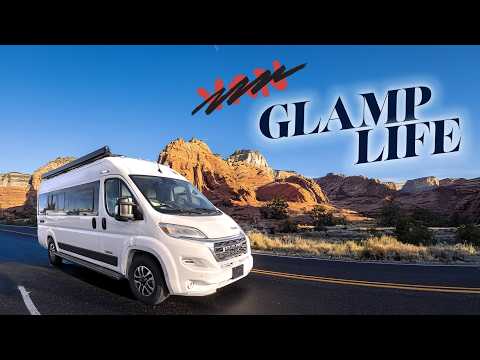
Discover the Ultimate Freedom with the Travato Camper Van
Exploring the Travato Camper Van Exploring the Travato Camper Van…